
Understanding the fundamental needs of garden spurge is the first step toward maintaining a vibrant and healthy landscape. This resilient perennial is favored by many gardeners for its unique architectural form and its ability to thrive in various conditions with minimal intervention. Successful cultivation requires a balance between providing enough resources for growth and respecting the plant’s natural hardiness. By following a structured approach to its daily and seasonal maintenance, you can ensure that your garden remains a lush environment for years to come.
General maintenance guidelines
Maintaining garden spurge requires a watchful eye but not necessarily a constant hand in the soil. You should regularly check the foliage for any signs of discoloration or wilting, which often indicates environmental stress. Keeping the area around the base of the plant clear of debris helps prevent unwanted moisture buildup and fungal issues. It is also beneficial to observe the overall growth habit to ensure the plant is not becoming overly leggy or crowded.
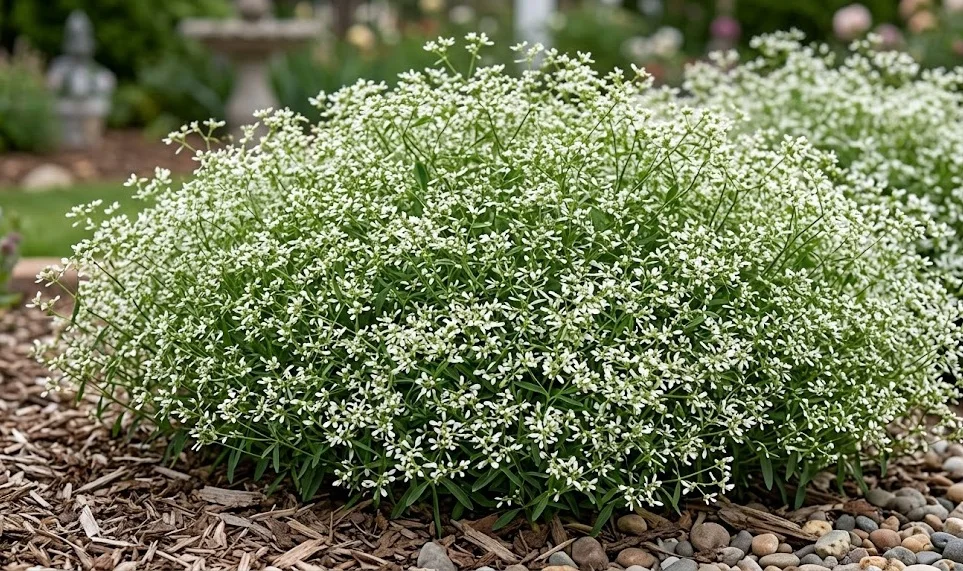
The aesthetic appeal of this species often depends on how well it integrates with its neighbors in the flower bed. You might find that occasional thinning of nearby aggressive plants allows the spurge to maintain its characteristic rounded shape. While it is a tough plant, providing a stable environment without drastic shifts in soil chemistry is key. Most experienced growers suggest that a “less is more” approach works best once the root system has been properly established.
Soil health plays a pivotal role in the long-term success of any perennial, and this one is no exception. You should aim to keep the soil structure airy and avoid heavy compaction that might restrict root expansion. Adding a light layer of organic mulch can help regulate soil temperature throughout the changing seasons. This practice also assists in suppressing weeds that might otherwise compete for vital nutrients and space within the garden.
Observation is your best tool when it comes to the general wellbeing of your garden spurge. You will notice that the plant responds quickly to changes in its immediate microclimate, such as increased wind or unexpected heat waves. Adjusting your care routine based on these observations ensures the plant stays resilient against potential stressors. Consistent but light-touch management is always more effective than sporadic and heavy-handed interventions.
More articles on this topic
Soil quality and preparation
The foundation of a healthy garden spurge starts with the specific characteristics of the soil in which it is planted. You should prioritize a well-draining medium, as stagnant water is one of the few things that can truly damage this plant. A sandy or loamy texture is often ideal because it allows for rapid drainage while retaining just enough moisture. If your garden has heavy clay, you may need to incorporate significant amounts of grit or organic matter to improve the structure.
Nutrient levels within the soil should be moderate rather than excessively high to promote sturdy growth. You might find that soil that is too rich leads to rapid, weak stems that flop over during heavy rains. Testing the pH level of your soil can provide valuable insights, though this plant is generally adaptable to a wide range of conditions. Aiming for a neutral to slightly acidic environment usually yields the most consistent results for foliage color and plant vigor.
Ground preparation should involve deep tilling to ensure the roots can penetrate easily into the lower layers of the earth. You should remove all large stones and persistent root fragments from previous plantings before introducing the new spurge. Incorporating a small amount of slow-release compost can provide a steady stream of minerals without overwhelming the delicate root tips. This preparation phase is the best time to set the stage for a lifetime of healthy development.
Drainage can be further enhanced by planting on a slight mound or in raised beds if your site is naturally prone to wetness. You will notice that plants in elevated positions often show better resistance to root-related issues during the rainy season. It is also important to ensure that the soil does not settle too tightly around the crown of the plant. A loose, friable soil surface encourages the natural gas exchange necessary for healthy underground biological activity.
More articles on this topic
Seasonal growth patterns
Recognizing how the garden spurge changes throughout the year allows you to anticipate its specific needs during different phases. In the spring, you will see a burst of new growth as the temperatures rise and the days lengthen. This is the period when the plant requires the most support in terms of light and consistent environmental conditions. You should watch for the emergence of the unique bracts that give the plant its distinctive ornamental value.
Summer brings a period of maturation where the plant focuses on maintaining its structure and storing energy. During this time, the foliage should remain a deep, healthy green or the specific variegated pattern of the cultivar. You might notice that growth slows down during the peak heat of July and August, which is a natural survival mechanism. Providing a bit of extra care during these intense months ensures the plant does not lose its luster.
As autumn approaches, the garden spurge may begin to shift its color or prepare for the cooler months ahead. This is a transitional phase where the plant begins to harden its tissues to withstand the coming frost. You should avoid any heavy feeding at this time, as new, soft growth is highly susceptible to cold damage. Observing these subtle shifts helps you time your maintenance tasks perfectly with the plant’s natural rhythm.
Winter is a time of dormancy for many varieties, during which the plant rests and prepares for the next growing cycle. You will see a significant reduction in activity, and the plant may lose some of its top-heavy appearance. It is crucial to respect this rest period by minimizing any disturbances to the root zone or the soil structure. Understanding this cycle ensures that you are working with the plant rather than against its biological clock.
Impact of environmental factors
The location you choose for your garden spurge will dictate much of its success and overall health. Air circulation is a frequently overlooked factor that significantly impacts the prevention of foliar diseases. You should place the plant where breezes can easily move through the leaves, reducing the humidity that encourages mold. Avoid planting it in deep, stagnant corners of the garden where air tends to become trapped and heavy.
Temperature fluctuations can also influence how the plant develops its foliage and maintains its structural integrity. While it is quite hardy, extreme and sudden drops in temperature can cause temporary wilting or stress. You might consider using natural windbreaks like fences or larger shrubs to protect the spurge from harsh winter gusts. A stable environment allows the plant to focus its energy on growth rather than constant recovery from weather events.
The proximity of other plants can create a competitive environment for both light and soil resources. You should ensure there is enough space between the garden spurge and its neighbors to prevent overcrowding. Competition for root space can lead to stunted growth and a lack of vigor in the long run. Providing a dedicated zone for the plant allows it to reach its full potential without being overshadowed by faster-growing species.
Urban environments may present unique challenges such as pollution or reflected heat from nearby structures. You will find that garden spurge is remarkably tolerant of city conditions, making it a great choice for urban landscaping. However, rinsing the foliage occasionally can help remove dust and pollutants that might block the stomata. Being aware of these external influences allows you to mitigate their effects through simple, proactive care steps.
Monitoring plant health
Developing a routine for checking your plants will help you catch potential issues before they become serious problems. You should look closely at the undersides of leaves where many small issues first begin to manifest. Healthy plants should have firm stems and leaves that do not feel limp or excessively brittle. Any sudden change in appearance should prompt a closer investigation into the soil moisture or light levels.
Color changes are often the first signal that something is not quite right in the plant’s environment. While some color shifts are seasonal, yellowing leaves can sometimes indicate a lack of specific minerals or improper watering. You should also be aware of the “bleeding” of white sap if the plant is damaged, as this is a natural defense. If you notice any unusual spots or textures, it is best to consult with a professional or research the specific symptom.
The growth rate of your garden spurge can also serve as an indicator of its overall happiness. A plant that has remained stagnant for an entire growing season may be struggling with its root environment. You might need to gently aerate the soil or check if the plant has become root-bound if it is in a container. Steady, consistent growth is the hallmark of a plant that is receiving the correct balance of care.
Keeping a simple garden journal can be an excellent way to track the progress of your spurge over several years. You can note when it first starts to grow in the spring and when it enters dormancy in the winter. This record-keeping allows you to identify long-term trends and adjust your care strategy accordingly. Over time, you will develop an intuitive sense of what your specific garden spurge needs to thrive.
Interaction with garden wildlife
Garden spurge often plays a unique role in the local ecosystem, providing interest for various beneficial insects. You may notice that certain pollinators are attracted to the unusual flowers and bracts during the blooming season. These visitors contribute to the overall biodiversity of your garden and support a healthy natural balance. It is important to avoid using harsh chemicals that might harm these helpful guests while they visit your plants.
Deer and rabbits generally avoid this plant due to the irritating nature of its white, milky sap. This makes it an excellent choice for gardens where wildlife grazing is a common and frustrating problem. You can use garden spurge as a natural barrier to protect more palatable plants from being eaten. Its ability to stand its ground against herbivores is one of its most practical and valued characteristics.
Birds may occasionally use the dense foliage as a source of cover or a place to find small insects. While they do not typically feed on the plant itself, their presence is a sign of a thriving garden environment. You should encourage this natural interaction by maintaining the plant in a way that preserves its structural density. A well-cared-for spurge provides a safe haven for many small creatures without suffering any damage in return.
Soil organisms also interact with the root system of the garden spurge in a mutually beneficial way. Earthworms and beneficial fungi help break down organic matter and make nutrients more accessible to the plant. You should avoid over-applying synthetic fertilizers that can disrupt these delicate underground communities. Promoting a healthy soil food web ensures that your plant has a strong, natural support system beneath the surface.
Safety and handling precautions
One of the most important aspects of caring for garden spurge is understanding the nature of its sap. You must always wear gloves when pruning or handling the plant, as the white latex can be a skin irritant. If the sap comes into contact with your skin, it is essential to wash the area immediately with soap and water. Being mindful of this characteristic allows you to enjoy the plant’s beauty without any physical discomfort.
Eye protection is also recommended if you are doing extensive cutting or working in windy conditions. Small droplets of sap can inadvertently be flicked toward the face, which can cause significant irritation if they reach the eyes. You should handle the plant with care and avoid touching your face until your hands are thoroughly cleaned. These simple safety measures should become a standard part of your gardening routine with this species.
It is also vital to keep the plant’s properties in mind if you have pets or small children in the garden. While the plant is not typically attractive for consumption, the sap can be harmful if ingested or if it touches sensitive tissues. You might consider planting it in areas that are less accessible to curious toddlers or roaming pets. Education and strategic placement are the best ways to ensure everyone stays safe while enjoying the garden.
Proper disposal of clippings is the final step in safe handling and responsible garden management. You should not burn the trimmings, as the smoke can carry irritating compounds that are unpleasant to inhale. Instead, dispose of them in a dedicated green waste bin or a deep compost pile where they can break down safely. Following these protocols ensures that your experience with garden spurge remains entirely positive and hazard-free.