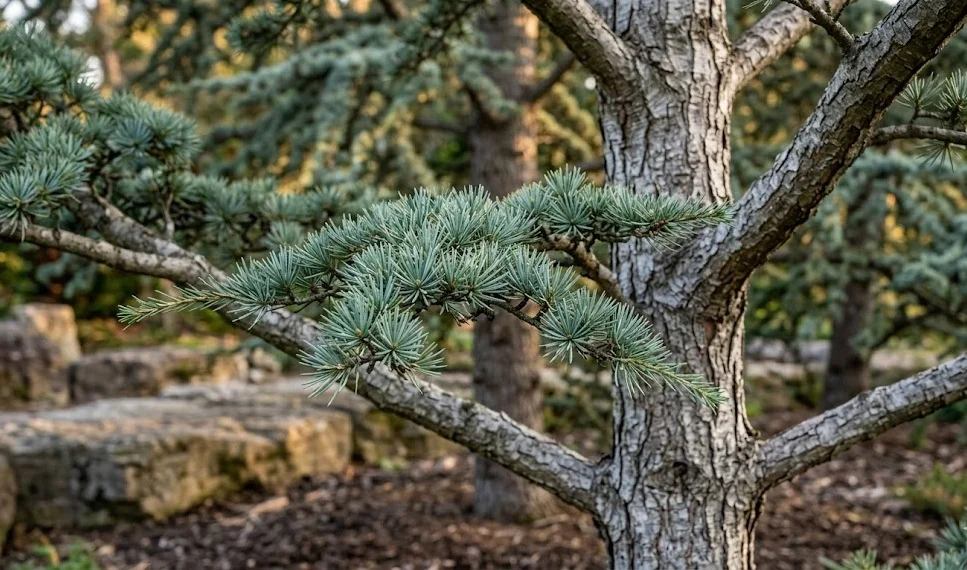

Winter presents a unique set of challenges for the atlas cedar, particularly in regions where heavy snow and sub-zero temperatures are common. Preparing the tree for the dormant season is a multi-step process that begins long before the first snowflake falls. While mature trees are quite resilient, young specimens need extra care to survive their first few winters without significant damage. A professional winterization strategy protects the physical structure of the tree and ensures its vascular health during the cold months.
Preparing for the first frost involves ensuring that the tree has adequate hydration to withstand the drying effects of cold winter winds. Since conifers continue to lose moisture through their needles even in winter, a well-hydrated tree is less likely to suffer from winter burn. Mulching the root zone with a thick layer of wood chips or bark helps to insulate the soil and prevent rapid freezing and thawing cycles. This stable environment protects the sensitive feeder roots from the damaging effects of frost heave.
Mechanical protection is often necessary for young atlas cedars or those with a weeping growth habit. Creating a burlap screen around the tree can provide a vital barrier against salt spray and desiccating winds in exposed locations. For upright varieties, loosely tying the branches with soft twine can prevent them from splaying under the weight of heavy, wet snow. It is important not to wrap the tree too tightly, as some air circulation is still necessary to prevent fungal issues even in cold weather.
Managing snow load and wind is a continuous task throughout the winter months for those caring for large specimens. After a heavy snowfall, gently brushing the snow off the branches can prevent breakage, but one must be careful not to damage the frozen wood. If a branch does break, it should be pruned cleanly as soon as temperatures rise above freezing to prevent disease entry. Windbreaks, whether natural or artificial, can significantly reduce the mechanical stress placed on the tree’s structure during winter storms.
Post-winter assessment and recovery are the final stages of a successful wintering program. Once the ground thaws, a thorough inspection of the canopy reveals any winter burn or mechanical damage that occurred during the season. Pruning away dead or damaged tips should wait until the new growth begins, as this allows the tree’s natural vitality to guide the process. A light application of fertilizer in early spring helps the tree recover from winter stress and prepare for the vigorous growth of the upcoming season.