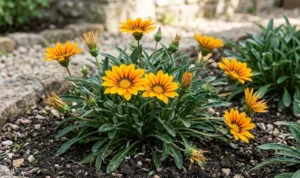
Lighting is perhaps the most critical environmental factor influencing the growth, health, and flowering potential of the narrow-leaf zinnia. This species is fundamentally adapted to high-light environments, and its physiological processes are optimized for converting sunlight into the energy needed for its prolific blooms. You should prioritize the placement of these plants in areas where they will receive the maximum possible exposure to direct sun. A professional understanding of how light affects plant development will help you avoid common issues like legginess or poor flower production.
When selecting a site for your zinnias, you should aim for a location that provides at least six to eight hours of direct sunlight each day. While they can tolerate very light shade for a small portion of the day, their overall vigor and flower count will decrease as the light levels drop. Sunlight not only fuels growth but also helps to keep the foliage dry, which is a major factor in preventing fungal diseases. Observing the movement of shadows in your garden throughout the day will help you identify the true “full sun” spots that these plants crave.
Sunlight and flowering intensity
The intensity of the sunlight directly correlates with the brightness and abundance of the flowers produced by the narrow-leaf zinnia. In high-light conditions, the plants will produce more compact, branched growth and a higher density of flower buds. You will notice that the colors of the petals—whether they are vivid orange, sunny yellow, or crisp white—are much more intense when the plant is well-lit. This is because the plant has ample energy to produce the pigments and structural components necessary for high-quality blooms.
In contrast, plants grown in insufficient light will often become “leggy,” stretching their stems in an attempt to reach more sunlight. This results in a sparse, unattractive appearance and makes the stems much more prone to breaking in the wind or under the weight of rain. Furthermore, the number of flowers will be significantly reduced, and those that do appear may be smaller and less colorful than those on sun-grown plants. Professional landscape design always accounts for these light requirements to ensure that the final display meets the desired aesthetic standards.
Protection from extreme heat
While the narrow-leaf zinnia loves light, there are some instances in extremely hot climates where a small amount of protection can be beneficial. In regions where the afternoon sun is exceptionally intense, providing a bit of filtered shade during the hottest part of the day can help prevent petal scorch. You should still ensure that the plant receives plenty of morning and late afternoon sun to meet its overall energy needs. Using taller companion plants or garden structures to provide a shifting shadow is a sophisticated way to manage this balance.
More articles on this topic
It is important to remember that heat and light are related but distinct factors in plant care. Even if you provide shade to reduce heat stress, the plant still needs a high volume of light energy to maintain its metabolic functions. You should never move a sun-loving plant into a truly shady area just to escape the heat, as this will lead to a rapid decline in health. Instead, focus on maintaining proper soil moisture and mulch to help the plant handle the temperature while still enjoying the sun.
Dealing with partial shade
If your garden does not have a location with perfect full sun, you may be tempted to try growing narrow-leaf zinnias in partial shade. While they are more tolerant of less-than-ideal conditions than some other zinnia species, you must adjust your expectations for their performance. You should expect the plants to grow more slowly and for the flowering season to start later and end sooner. In these conditions, it is even more important to ensure that air circulation is excellent and that you are not overwatering, as the soil will stay damp for longer.
To make the most of a partially shaded spot, you can use reflective mulches or light-colored surrounding structures to bounce more light back onto the plants. You might also consider growing them in containers that can be moved to the sunniest parts of your patio or balcony as the seasons change. Professional gardeners often use these techniques to push the boundaries of what is possible in a challenging landscape. However, for the best and most reliable results, nothing can truly replace the power of the direct, natural sun.