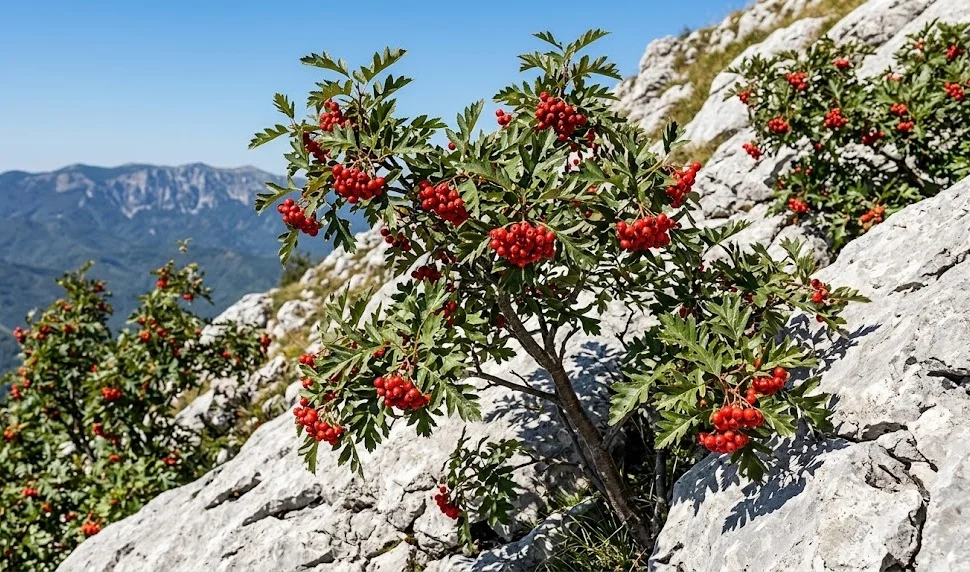

Maintaining the health of the Borbás mountain ash requires a vigilant and proactive approach to managing various biological threats. You must be able to identify the early signs of fungal infections and insect infestations that are common to the Sorbus genus. Implementing an integrated pest management strategy allows you to protect the tree while minimizing the impact on the surrounding environment. This article provides a comprehensive overview of the most significant diseases and pests you may encounter and the professional methods used to control them.
The first line of defense against any pathogen is the overall vigor and resilience of the tree itself. You should understand that a stressed or malnourished tree is far more likely to succumb to infections than one that is well-cared for. Proper watering, fertilization, and site selection create a strong physiological foundation that can often naturally resist minor attacks. Professional care thus begins with prevention, focusing on health as the primary barrier against the numerous diseases that target mountain ash.
Regular inspections are the most effective tool in your diagnostic arsenal for maintaining a healthy specimen. You should examine both the upper and lower surfaces of the leaves, as well as the crevices in the bark, where many pests hide. Observing the tree at different times of the day can also reveal the presence of nocturnal insects or environmental conditions that favor fungal growth. Early detection is crucial because it allows for simpler, less invasive treatments that are more likely to be successful.
Cleanliness in the garden is a vital part of a professional disease management program for any woody plant. You should remove and destroy any fallen leaves or berries that show signs of infection to prevent pathogens from overwintering in the soil. Sterilizing your pruning tools after each use prevents the accidental spread of viruses and fungi from one plant to another. A tidy and well-maintained growing area significantly reduces the total “pathogen load” that the Borbás mountain ash has to contend with.
Common fungal and bacterial diseases
Fire blight is one of the most serious bacterial threats to the Borbás mountain ash and requires immediate professional attention. You should look for branches that appear blackened or “scorched,” with the tips often curling into a characteristic shepherd’s crook shape. This disease spreads rapidly through the vascular system and can kill large sections of the tree if left unchecked. Pruning out infected wood well below the visible symptoms is the only effective way to stop the advance of fire blight.
More articles on this topic
Leaf spot and rust are common fungal issues that, while often less lethal than fire blight, can significantly reduce the tree’s ornamental value. You should identify these by the appearance of small, dark spots or orange, powdery pustules on the foliage during damp weather. These fungi thrive in humid conditions with poor air circulation, making proper spacing and pruning essential for prevention. While a healthy tree can usually tolerate some leaf damage, severe outbreaks can lead to premature defoliation and weakened vigor.
Canker diseases can affect the trunk and main branches, leading to localized areas of dead bark and underlying tissue. You should inspect the tree for sunken or discolored patches on the stem that may exude sap or show fungal fruiting bodies. Cankers often enter the tree through wounds caused by improper pruning or mechanical damage from garden equipment. Managing these issues involves removing the affected branches where possible and improving the tree’s overall environment to support healing.
Powdery mildew is a frequent visitor in late summer when days are warm and nights are cool and humid. You should look for a white, flour-like coating on the surface of the leaves, which can cause them to distort or turn brown. This fungus does not usually kill the tree but can be a sign that the specimen is under environmental stress or lacking adequate airflow. Simple cultural adjustments, such as watering only at the base of the tree, can often keep powdery mildew at a manageable level.
Identifying and managing insect pests
Aphids are small, sap-sucking insects that can cluster on the tender new growth and underside of the leaves. You should be alert for sticky “honeydew” on the foliage, which can attract ants and promote the growth of black sooty mold. While a few aphids are rarely a major problem, large populations can cause leaf curling and stunt the development of new shoots. Encouraging natural predators like ladybugs or using a strong stream of water can often control these pests without the need for chemicals.
More articles on this topic
Scale insects can be more difficult to detect as they often look like small, motionless bumps on the bark or leaf veins. You should check for these armored or soft-bodied pests that drain the tree’s energy by feeding directly on its vascular fluids. A heavy infestation of scale can lead to yellowing leaves, branch dieback, and an overall decline in the tree’s appearance. Professional treatment often involves the application of horticultural oils during the dormant season to suffocate the overwintering insects.
Spider mites are microscopic pests that thrive in hot, dry conditions and can quickly bronze the foliage of a mountain ash. You should look for fine webbing between leaves and a “stippled” or bleached appearance on the leaf surface. Increasing the humidity around the tree or using targeted miticides can help break the rapid life cycle of these persistent arachnids. Maintaining proper hydration in the soil is one of the best ways to make the tree less attractive to spider mites in the first place.
The larvae of certain moths and beetles may feed on the leaves or even bore into the wood of the Borbás mountain ash. You should monitor for jagged holes in the foliage or sawdust-like “frass” appearing near small holes in the trunk or branches. Borers are particularly dangerous because they disrupt the flow of water and nutrients deep within the tree’s structure. Protecting the bark from damage and maintaining high vigor are the most effective professional strategies for preventing borer attacks.
Integrated pest management strategies
Integrated Pest Management (IPM) is a professional framework that combines biological, cultural, and chemical tools to manage threats. You should always start with the least toxic methods, such as manual removal of pests or adjusting the tree’s microclimate. Only when these methods fail to keep the damage below an acceptable threshold should you consider more aggressive interventions. This balanced approach protects the health of the Borbás mountain ash while preserving the beneficial insects in your garden.
Biological control involves using the natural enemies of pests to keep their populations in check within your landscape. You should strive to create a garden environment that attracts hoverflies, lacewings, and parasitic wasps that prey on common mountain ash pests. Planting a diversity of flowering species nearby provides the nectar and habitat these beneficial organisms need to thrive. Using biology instead of chemistry is a sustainable way to maintain a healthy and dynamic balance in your horticultural projects.
Cultural controls are the daily practices you use to make the environment less hospitable to diseases and pests. You should ensure that the tree is not over-crowded and that the soil is managed to prevent both drought and waterlogging. Proper pruning to open up the canopy improves light penetration and reduces the humidity that many fungi need to germinate. These simple management decisions are often the most powerful tools a professional has for maintaining long-term plant health.
Chemical controls should be used as a targeted, tactical response rather than a broad, preventative measure. You should select products that are specific to the pest or disease identified and apply them at the correct moment in the pathogen’s life cycle. Always follow the label instructions precisely to avoid harming non-target species or causing chemical burn on the foliage. Professional pesticide use is characterized by precision, timing, and a clear understanding of the environmental consequences.
Monitoring and documentation for long-term health
Keeping a detailed record of the pests and diseases you encounter provides a valuable history for future management decisions. You should note the date, the specific symptoms observed, and the weather conditions at the time of the outbreak. This documentation allows you to identify recurring patterns and prepare for potential issues before they become severe in subsequent years. A professional “health log” is an essential resource for anyone managing rare or high-value specimens like the Borbás mountain ash.
Tracking the effectiveness of your treatments is the only way to refine your pest management strategy over time. You should observe how the tree responds to specific interventions and record whether the pest population was successfully reduced. If a particular treatment failed, analyze why—was the timing wrong, or was the diagnosis incorrect? Continuous learning and adjustment are what separate an expert gardener from someone who simply reacts to problems as they arise.
Collaborating with local agricultural extensions or botanical experts can help you identify rare or emerging threats in your region. You should be aware of any new invasive species or shifts in disease patterns that might affect the Sorbus genus. Sharing your observations with other professionals helps build a collective knowledge base that benefits the entire horticultural community. Staying informed ensures that your care practices remain current and effective against an ever-changing array of biological challenges.
Long-term monitoring also helps you determine when a tree has reached a point where intervention is no longer practical or safe. You should be able to recognize when a disease has compromised the structural integrity of the tree to the point of failure. While the goal is always to save the specimen, a professional must also prioritize the safety of the surrounding landscape and property. Making the difficult call to remove an irrecoverably diseased tree is sometimes the most responsible action you can take.
Seasonal patterns of pest and disease activity
Understanding the seasonal timing of various threats allows you to be proactive rather than reactive in your care. You should expect fungal issues to be most prevalent during the wet, cool days of spring and early autumn. Conversely, many insect pests like spider mites and certain scale species reach their peak activity during the heat of mid-summer. Aligning your inspection schedule with these natural cycles ensures you are looking for the right problems at the right time.
Winter is not a time to ignore pest management, as many organisms use this dormant period to shelter on or near the tree. You should use the leaf-less months to inspect the branch structure for overwintering egg masses, cocoons, or scale coverings. Applying dormant sprays during this time can significantly reduce the initial pest pressure when the tree begins to grow in the spring. A professional approach to winter maintenance pays huge dividends in the form of a cleaner, healthier start to the new season.
Spring is the most critical time for preventing the spread of bacterial and fungal infections that target new tissue. You should be particularly vigilant as the buds break and the first leaves emerge, as this young growth is highly susceptible to damage. Monitoring the weather for periods of extended leaf wetness can help you predict when a fungal outbreak is likely to occur. Timely intervention during the spring can prevent an infection from taking hold and affecting the tree for the rest of the year.
Autumn management focuses on reducing the amount of infectious material that remains in the garden for the following year. You should be thorough in clearing away fallen leaves, especially if the tree suffered from rust or leaf spot during the summer. This “sanitation” phase is a fundamental part of a professional care cycle that protects the tree’s future health. By removing the sources of reinfection, you give the Borbás mountain ash its best chance for a successful and vigorous return in the spring.