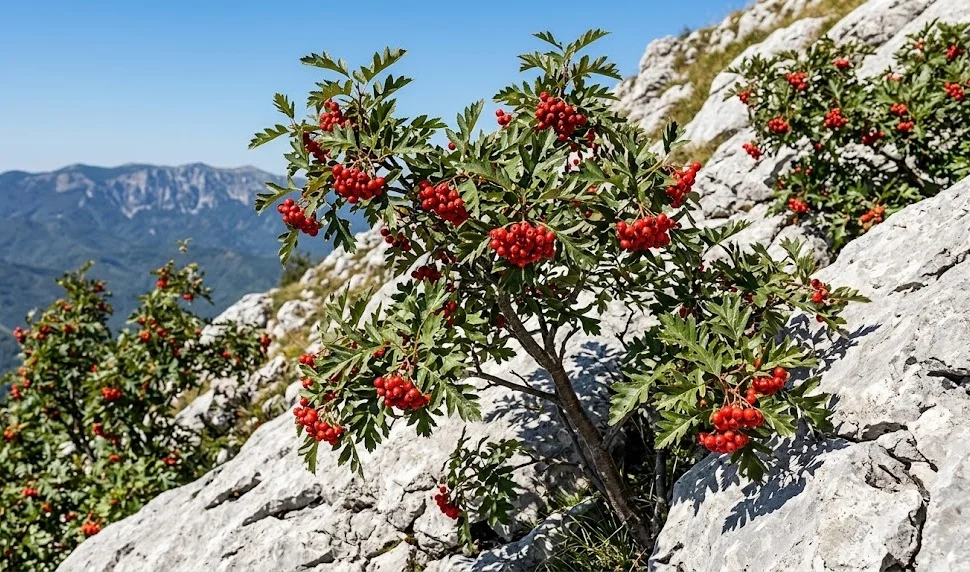

Mastering the art of pruning is essential for maintaining the structural integrity and aesthetic beauty of the Borbás mountain ash. You must approach this task with technical precision, understanding that every cut influences the tree’s future growth and health. Professional pruning focuses on removing damaged wood, improving airflow, and shaping the specimen without compromising its natural elegance. This article provides the expert guidance needed to perform effective pruning and cutting back throughout the tree’s life cycle.
Pruning is more than just a maintenance task; it is a vital intervention that can extend the life of your tree significantly. You should recognize that by removing weak or diseased branches, you allow the tree to redirect its energy toward healthy, productive growth. A well-pruned Borbás mountain ash is not only more beautiful but also more resilient to environmental stressors like wind and heavy snow. Professional pruning is characterized by a “minimalist” philosophy, where every cut has a clear purpose and is executed with care.
The timing of your pruning activities is one of the most critical factors for success and fast healing of the wounds. You should generally perform major structural pruning during the dormant season, specifically in late winter or very early spring before the sap begins to flow. Pruning at this time minimizes the risk of infection and allows the tree to “seal” the wounds quickly as it begins its spring growth spurt. Understanding the tree’s seasonal physiology ensures that your interventions support rather than hinder its natural development.
Using the right tools and keeping them in top condition is a non-negotiable requirement for professional pruning. You should use sharp, sterilized shears for small twigs and a high-quality pruning saw for larger branches to ensure clean, smooth cuts. Ragged or crushed tissue from dull tools heals slowly and provides an easy entry point for fungi and boring insects. Cleanliness and precision in your equipment are the foundations of expert horticultural practice and long-term tree health.
Formative pruning for young specimens
Formative pruning in the first few years after planting is aimed at establishing a strong and balanced skeletal structure. You should identify a single, dominant central leader and remove any competing shoots that might cause the tree to develop multiple trunks. This central axis provides the primary support for the canopy and ensures a stable, upward growth habit. A well-defined leader is the secret to a tree that can grow to its full height without becoming structurally compromised.
More articles on this topic
Establishing a series of well-spaced scaffold branches is the next step in creating a professional tree form. You should select branches that grow at wide angles from the trunk, as these “U-shaped” unions are much stronger than narrow “V-shaped” ones. Remove any branches that are too close together or that grow directly above one another, as they will eventually compete for light and space. Building a strong “frame” during the early years prevents many of the structural failures seen in mature, neglected trees.
Removing “suckers” and “water sprouts” is a routine part of maintaining the desired form and vigor of the young mountain ash. You should prune away the vigorous, vertical shoots that emerge from the base of the trunk or from the main branches. These growths rarely contribute to the tree’s overall structure and can sap energy away from the more important fruiting and leafing areas. Keeping the trunk and the main branch unions clean of these distractions maintains the elegant silhouette of the species.
Patience is required when performing formative pruning, as you should never remove more than about twenty percent of the canopy in a single year. You should spread the structural development over several seasons to allow the young tree to maintain enough foliage for energy production. Over-pruning can stunt the tree’s growth and lead to a “panic” response where it produces an abundance of weak, unattractive shoots. A gradual, professional approach to shaping the tree yields the best results over the long term.
Maintenance pruning and health management
Once the basic structure is established, maintenance pruning focuses on the “three Ds”: dead, damaged, and diseased wood. You should inspect the tree annually and remove any branches that show signs of decay or have been broken by the wind. These sections of the tree are not only unsightly but can also serve as a source of infection for the healthy parts of the specimen. Quick removal of problem wood is one of the most effective ways to maintain the overall vigor of the Borbás mountain ash.
More articles on this topic
Improving light penetration and airflow within the canopy is a key objective of professional maintenance pruning. You should selectively thin out some of the smaller branches in the center of the tree to create a more “open” and airy structure. This practice reduces the humidity inside the canopy, which significantly lowers the risk of common fungal diseases like leaf spot and rust. A well-ventilated tree is a healthy tree, as it dries faster after rain and allows light to reach the inner leaves.
Managing the height and spread of the tree can be done through “heading back” cuts, but this must be done with extreme care. You should always prune back to a healthy lateral branch or a dormant bud that is facing in the direction you want the new growth to go. Never “top” the tree by cutting the main branches indiscriminately, as this leads to a flush of weak growth and permanent structural deformity. Professional cutting back is about subtle redirection of growth rather than aggressive reduction of size.
Encouraging a consistent and heavy berry display can also be influenced by how you prune the fruiting wood. You should recognize that Sorbus species often fruit on older wood, so removing too many of the established spurs can reduce your berry crop. Maintenance pruning should aim to rejuvenate the tree by occasionally removing older, less productive branches to make room for new fruiting wood. This cycle of renewal keeps the tree looking young and ensures it remains an ecological asset for local birds and wildlife.
Technical execution and wound care
The technique used for each individual cut is what defines the quality of a professional pruning job. You should always use the “three-cut method” for larger branches to prevent the weight of the limb from stripping the bark down the trunk. The first cut is an undercut, the second removes the limb, and the third creates the final, clean finish just outside the branch collar. This precise execution ensures the fastest possible healing and minimizes the surface area of the exposed wood.
Understanding the “branch collar” is the most important anatomical knowledge you need for successful pruning. You should look for the slightly swollen area at the base of each branch where it meets the trunk, as this is where the tree’s healing chemicals are concentrated. Never cut flush against the trunk, as this removes the collar and prevents the tree from properly sealing the wound with “callus” tissue. A professional cut leaves the collar intact, allowing the tree to naturally protect itself from decay.
Modern horticultural science generally advises against the use of “wound dressings” or tars on pruning cuts. You should allow the tree to heal naturally, as research shows that artificial coverings can often trap moisture and encourage fungal rot rather than preventing it. The tree’s own chemical defenses are far more effective than any synthetic product when the cuts are made correctly and at the right time. Providing the tree with proper water and nutrients is the best way to support its internal healing processes after pruning.
Regularly cleaning and sharpening your tools is not just about ease of work, but about the long-term safety of the tree. You should wipe your blades with alcohol or a mild bleach solution between trees to ensure you are not acting as a vector for disease. A sharp blade makes a smooth cut that seals much faster and looks more professional in the landscape. Your commitment to these technical details is what ensures the Borbás mountain ash remains a healthy and prized part of your garden for decades.