
Optimizing the light exposure for the Borbás mountain ash is essential for achieving its full growth potential and vibrant fruit production. You must understand that this species, while adaptable, has evolved to thrive in specific lighting conditions found in mountainous regions. Balancing the need for solar energy with protection from intense, scorching heat is a key professional challenge. This article examines the technical aspects of light management to ensure your tree remains healthy and ornamental.
Light is the primary driver of photosynthesis, providing the energy the tree needs to build its structure and defend against pathogens. You should recognize that the quantity and quality of light the tree receives will directly influence its leaf density and branch strength. In insufficient light, the Borbás mountain ash may become “leggy,” with long, weak branches stretching toward the nearest light source. Providing the correct exposure ensures a compact, sturdy, and aesthetically pleasing form that is characteristic of the species.
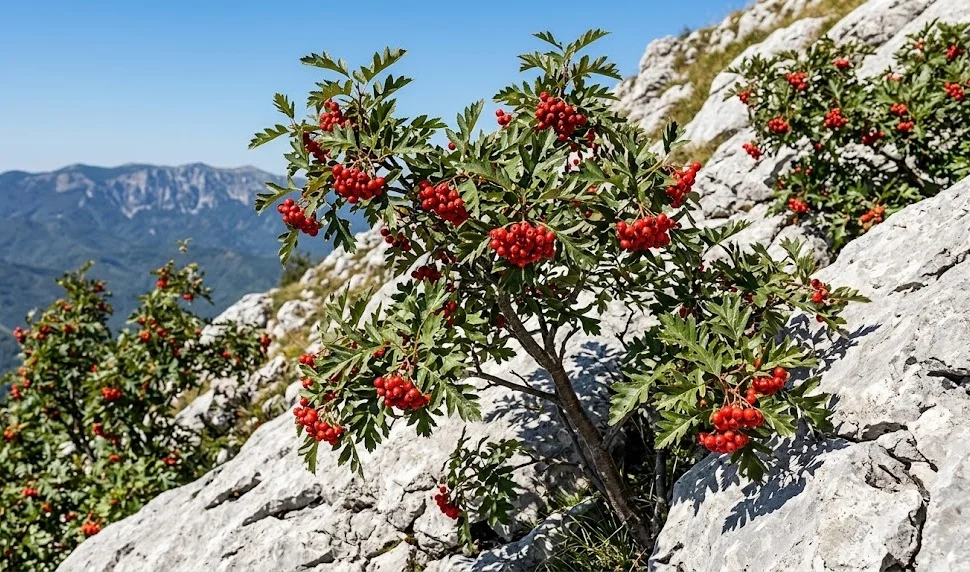
The intensity of light varies significantly throughout the day and across the different seasons of the year. You should aim for a location that provides full sun to partial shade, ideally with protection from the harshest mid-afternoon rays in hotter climates. In its natural habitat, the tree often grows on rocky slopes or at the edges of forests where light is abundant but often filtered by the terrain. Professional placement involves mimicking these natural conditions to maximize the tree’s physiological efficiency.
Photoperiodism, or the tree’s response to the length of daylight, plays a vital role in triggering seasonal transitions. You should observe how the shifting light patterns in your garden signal the tree to begin budding in the spring or enter dormancy in the autumn. Interruptions to these natural light cycles, such as strong artificial lighting at night, can sometimes confuse the tree’s biological clock. Maintaining a natural light environment is an often-overlooked aspect of professional care for sensitive endemic species.
Ideal exposure and site selection
Full sun is generally the preferred condition for the Borbás mountain ash, especially if you want to maximize the production of berries. You should ensure the tree receives at least six to eight hours of direct sunlight during the peak of the growing season. This high level of light exposure encourages the formation of flower buds and results in the most intense autumnal foliage colors. Without enough sun, the berries may be sparse and the leaf colors duller than what is typical for the species.
More articles on this topic
Partial shade can be beneficial in regions where the summer sun is particularly intense or where temperatures frequently exceed the tree’s comfort zone. You should look for a spot that offers morning sun and dappled afternoon shade to prevent leaf scorch and heat stress. This balance allows the tree to perform photosynthesis efficiently during the cooler hours while resting when the solar radiation is most damaging. Professional site selection requires a careful analysis of the sun’s path across your property throughout the entire year.
The orientation of the planting site relative to nearby structures or taller trees will determine the quality of light the mountain ash receives. You should avoid planting it on the north side of large buildings where it may remain in deep, permanent shade for most of the day. Conversely, a south-facing slope can provide the warmth and light that mimics a sub-alpine environment, provided moisture is managed. Understanding these micro-geographical factors allows you to place the tree where it will naturally thrive with minimal intervention.
Light competition from surrounding vegetation must be managed to prevent the Borbás mountain ash from being overshadowed. You should ensure that faster-growing neighbors do not eventually block the tree’s access to the sky as they mature. Periodic thinning of the surrounding canopy may be necessary to maintain the “light window” that your specimen requires. A professional gardener thinks in four dimensions, considering how the light environment will change over the next ten to twenty years.
Physiological responses to light quality
The spectrum of light, not just its duration, affects how the tree grows and how it produces its secondary metabolites like pigments. You should be aware that trees grown in the “blue-rich” light of open sky tend to be more compact than those grown in filtered green light. The Borbás mountain ash uses specific wavelengths of light to regulate the production of the carotenoids and anthocyanins that color its berries. High-quality, unfiltered natural light is the best way to ensure the tree reaches its full ornamental potential.
More articles on this topic
Leaf morphology can actually change in response to the light levels the tree experiences during its development. You should notice that leaves grown in deep shade are often thinner and larger as they try to capture as many photons as possible. Conversely, “sun leaves” are typically thicker and smaller, with protective layers that prevent damage from high-intensity radiation. This plastic response allows the tree to acclimate to its specific location, but there are limits to how much it can adapt.
Excessive light, especially when combined with high temperatures and low humidity, can lead to photo-inhibition and tissue damage. You should monitor for signs of “leaf bleaching” or brown, crispy margins on the foliage that face the direct sun. If the tree is struggling with light intensity, you may need to provide temporary shade during heatwaves or improve the soil moisture to help the tree cool itself. Resilience to high light is built through consistent health and proper hydration of the entire vascular system.
Winter light is another factor to consider, as the bright sun on frozen branches can cause physiological issues even without leaves. You should be aware that the bark can absorb a significant amount of heat on sunny winter days, which may lead to the sunscald discussed in winter care. Even in the dormant season, the position of the sun influences the tree’s environment and its ability to stay in a deep, protected sleep. Professional light management is a year-round consideration that affects every stage of the tree’s life.
Managing light through pruning and garden design
Strategic pruning can be used to improve light penetration into the inner parts of the tree’s canopy. You should remove crossing or crowded branches to allow more sunlight to reach the interior leaves and the trunk. This “opening up” of the tree prevents the inner foliage from dying off and encourages a more balanced and healthy structure. Proper light distribution within the canopy also reduces the risk of fungal diseases by allowing the inner parts of the tree to dry faster after rain.
The color and texture of the surrounding ground and structures can also influence the light environment for the tree. You should consider how light reflects off nearby white walls or light-colored mulches, which can increase the total radiation reaching the foliage. While this can be helpful in cool climates, it might be detrimental in areas already prone to high heat. Using darker mulches or planting near non-reflective surfaces can help moderate the light intensity if necessary.
Integrating the Borbás mountain ash into a tiered garden design allows you to manage its light needs more effectively. You should place it as a specimen plant where it can enjoy the upper layer of the canopy without being crowded. Using it as a centerpiece ensures it receives light from all angles, promoting a symmetrical and attractive growth habit. Design decisions should always prioritize the biological requirements of the species to ensure long-term horticultural success.
Continuous observation of the tree’s growth pattern will tell you if your light management strategy is working. You should look for vibrant leaf color, strong annual growth, and a prolific display of flowers and fruit as signs of optimal lighting. If the tree appears weak or the colors are pale, you may need to reconsider its placement or the surrounding competition. An expert gardener is always willing to adjust the environment to better serve the needs of a rare and beautiful specimen like the Borbás mountain ash.