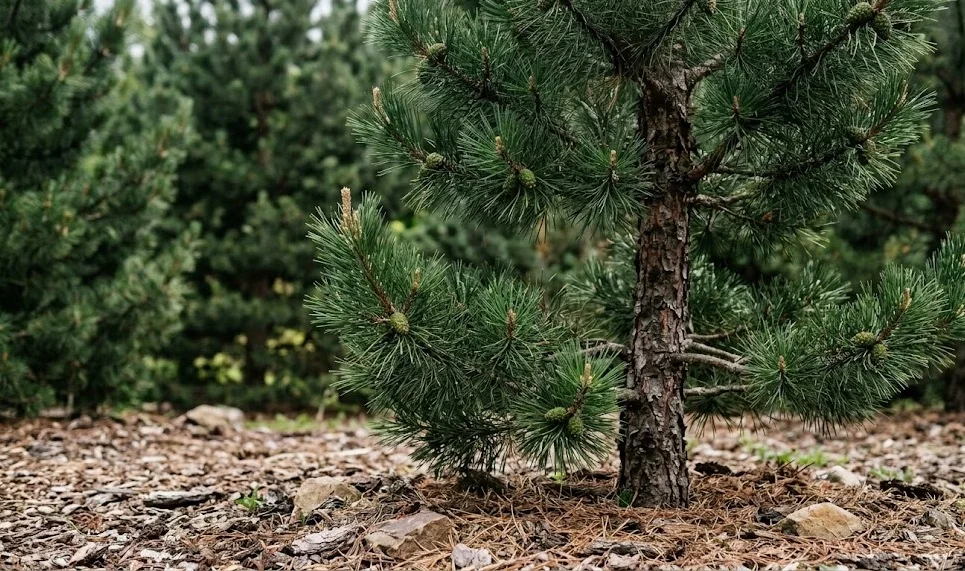

Protecting your black pine from the various biological threats it may face is an essential part of professional landscape management. You must be vigilant and proactive, as many diseases and pests can quickly compromise the health and aesthetic value of an evergreen. A professional gardener understands that prevention is always better than cure, and that a healthy tree is its own best defense. By learning to identify the common enemies of this species, you can intervene early and effectively to preserve your investment.
The diversity of pathogens and insects that target pines can be daunting, ranging from microscopic fungi to large, wood-boring beetles. You should approach pest management with an integrated mindset that combines cultural, biological, and chemical controls when necessary. It is important to remember that some level of insect activity is a natural part of any healthy ecosystem. Your goal is to manage these populations so they do not reach damaging levels that threaten the survival of your trees.
Diagnosing a problem accurately is the first and most critical step toward finding a successful and lasting solution. You might see symptoms like needle browning, premature needle drop, or unusual growths on the bark that require your immediate attention. Taking the time to research these signs or consulting with a professional plant pathologist can save you from wasting time on incorrect treatments. This scientific and methodical approach is what defines a professional and expert level of care.
Sustainability should always be at the forefront of your disease and pest management strategy for any garden or agricultural project. You should prioritize methods that have the lowest impact on beneficial insects and the surrounding environment while still being effective against the target. Healthy soil, proper watering, and correct spacing all contribute to a tree’s natural resilience against most common threats. When you do need to use more intensive treatments, do so with precision and care to ensure the best possible outcome for your black pine.
Identifying common fungal infections
Fungal diseases are among the most persistent and damaging issues that you will encounter when caring for black pines in many climates. You should be on the lookout for Diplodia tip blight, which causes the new growth to turn brown, stunt, and eventually die off. This fungus thrives in wet, humid conditions and can spread rapidly through a garden if it is not managed correctly. Professional arborists often look for small, black fruiting bodies on the scales of old cones as an early warning sign of this particular threat.
More articles on this topic
Needle cast diseases are another common fungal problem that can cause significant aesthetic damage and weaken the tree over time. You might notice yellow or reddish-brown spots on the needles that eventually lead to widespread shedding from the lower branches. These infections often start in the interior of the tree where air circulation is poorest and the humidity remains high for longer periods. Improving light penetration and airflow through strategic pruning is one of the best ways to combat these persistent fungal invaders.
Dothistroma needle blight is a specific fungal infection that is particularly troublesome for many varieties of black pine worldwide. You will see characteristic reddish bands around the needles, followed by the tips turning brown while the base remains green for a short period. This disease can cause severe defoliation if left unchecked, significantly reducing the tree’s ability to produce energy through photosynthesis. Identifying this early and applying the appropriate copper-based fungicides is a professional standard for managing this disease.
Lastly, you must be aware of the potential for root and butt rot fungi that can attack the tree from beneath the soil surface. These pathogens often enter through wounds in the roots or the base of the trunk caused by lawn equipment or poor planting techniques. You might notice a general decline in the tree’s vigor or the presence of fungal “conks” at the base of the trunk. Managing soil moisture and avoiding physical damage to the tree are your best defenses against these structurally devastating fungal infections.
Major insect threats and their damage
Insects can cause damage in several different ways, from sucking the sap out of the needles to boring deep into the wood of the trunk. You should regularly inspect the branches for the presence of pine sawflies, which can quickly strip a tree of its needles during the spring. The larvae are often found in large groups and can consume an impressive amount of foliage in a very short amount of time. Professional monitoring allows you to catch these infestations before they cause permanent damage to the tree’s growth.
More articles on this topic
Pine bark beetles are a more serious threat that can eventually lead to the death of even a large and established black pine. You should look for small holes in the bark and the presence of “pitch tubes,” which are the tree’s attempts to push the beetles out with sap. These insects often target trees that are already stressed by drought or poor soil conditions, making overall health maintenance even more important. Managing these pests often requires a combination of sanitation and targeted chemical applications to protect the rest of your trees.
Scale insects and aphids are smaller pests that can still cause significant issues by weakening the tree and encouraging the growth of sooty mold. You might notice the needles becoming sticky with “honeydew,” which is a byproduct of these sap-sucking insects as they feed on the tree. While they rarely kill a tree on their own, high populations can stunt growth and make the tree more susceptible to other diseases. Using horticultural oils or insecticidal soaps is a professional and environmentally responsible way to manage these common garden pests.
The pine shoot moth is another pest that you should be familiar with, as it targets the developing terminal buds and young shoots. You will see the tips of the branches wilting, turning brown, and eventually curling into a “shepherd’s crook” shape. This damage can ruin the tree’s symmetrical form and lead to excessive branching that requires corrective pruning later on. Understanding the life cycle of these moths allows you to time your interventions for maximum effectiveness and minimal environmental impact.
Integrated pest management strategies
Integrated Pest Management (IPM) is a professional framework that focuses on long-term prevention and the use of multiple control methods. You should start by selecting disease-resistant cultivars and ensuring that your planting site is optimal for the tree’s natural health. By creating a strong and resilient tree from the beginning, you significantly reduce the need for more intensive and costly interventions. This proactive approach is the foundation of any successful and sustainable agricultural or horticultural plan.
Regular monitoring and accurate record-keeping are essential components of an effective IPM strategy for your black pine. You should inspect your trees at least once a month and note any changes in their appearance or the presence of specific insects. This allows you to establish “thresholds” for when a pest population has become a problem that requires a direct response. Professionalism means making decisions based on data and observation rather than jumping to conclusions at the first sign of a bug.
Encouraging natural predators, such as ladybugs, lacewings, and insectivorous birds, can provide a high level of free pest control in your garden. You should avoid using broad-spectrum insecticides that kill these beneficial allies along with the target pests you are trying to eliminate. Creating a diverse habitat around your black pines will support a balanced ecosystem where no single pest species can easily dominate. This biological approach is often the most effective and least expensive way to manage common garden issues.
Sanitation is a simple but highly effective cultural practice that you should incorporate into your regular maintenance routine. You should remove and destroy any fallen needles, branches, or cones that show signs of disease or insect infestation. This reduces the amount of “inoculum” or pest eggs that can overwinter and start a new problem in the following spring. Keeping the area around your trees clean and tidy is a hallmark of a professional and dedicated gardener who values plant health.
Chemical and biological control options
When cultural and biological methods are not enough to manage a serious outbreak, you may need to consider targeted chemical controls. You should always choose products that are specifically labeled for the pest or disease you are fighting and for use on pines. It is essential to follow the application rates and timing instructions exactly to ensure safety and effectiveness while minimizing environmental damage. Professional applicators often use specialized equipment to ensure even coverage and to reach high into the canopy of larger trees.
Copper-based fungicides are a standard tool for managing many of the fungal blights that affect black pines throughout the growing season. You should apply these preventatively in the spring before the new growth is fully expanded and when the weather is damp. These products create a protective barrier on the surface of the needles that prevents fungal spores from germinating and entering the plant tissue. Consistency in application during the critical infection windows is key to successful fungal management with these products.
Biological controls, such as Bacillus thuringiensis (Bt) or specific predatory mites, offer a more targeted and environmentally friendly alternative to traditional chemicals. You can use these living organisms to attack specific pests without harming the rest of your garden’s delicate ecosystem. These methods often require more precise timing and specific environmental conditions to work effectively, but they are highly valued by professional growers. Integrating these biological solutions into your plan demonstrates a sophisticated and modern approach to plant care.
Systemic insecticides are another professional option that can be applied to the soil or injected directly into the trunk for long-lasting protection. These chemicals are absorbed by the tree and distributed through its vascular system, killing insects that feed on the sap or wood. This method is particularly useful for difficult-to-reach pests like bark beetles or scale insects that are protected by the tree’s outer bark. While more intensive, these treatments can be life-saving for a high-value specimen that is under severe attack from destructive pests.
Strengthening tree immunity and resilience
The ultimate goal of your care routine should be to build a tree that is naturally capable of resisting most diseases and pests. You should focus on providing the perfect balance of water, light, and nutrients to keep the tree’s physiological processes running at their peak. A stressed tree releases chemical signals that actually attract pests, while a healthy one can produce its own defensive compounds. Professionalism in gardening is about supporting the tree’s natural strengths through intelligent and informed management.
Mycorrhizal fungi are beneficial soil organisms that form a symbiotic relationship with the roots of your black pine, enhancing its nutrient and water uptake. You can introduce these fungi during planting or through specialized soil treatments to improve the tree’s overall resilience and health. These “good” fungi also help protect the roots from pathogenic fungi by competing for space and resources in the rhizosphere. Investing in the health of the soil microbiome is a professional secret for growing truly exceptional and hardy evergreens.
Mulching and proper soil aeration are simple practices that have a profound impact on the tree’s ability to defend itself from external threats. You should ensure the soil around the base of the tree is not compacted, allowing the roots to breathe and grow without restriction. A layer of organic mulch regulates temperature and moisture, reducing the environmental stress that often precedes a disease outbreak. These foundational tasks are the most important part of a professional’s long-term strategy for maintaining a healthy landscape.
Finally, you should accept that no tree will ever be perfectly free of every single spot or insect, and that perfection is not the goal. You should focus on maintaining a level of health that allows the tree to grow, thrive, and look beautiful despite the occasional minor challenge. By being observant, informed, and proactive, you can manage the risks and enjoy the majestic presence of your black pine for many decades. Professional care is a journey of learning and adaptation that rewards you with a flourishing and resilient natural environment.