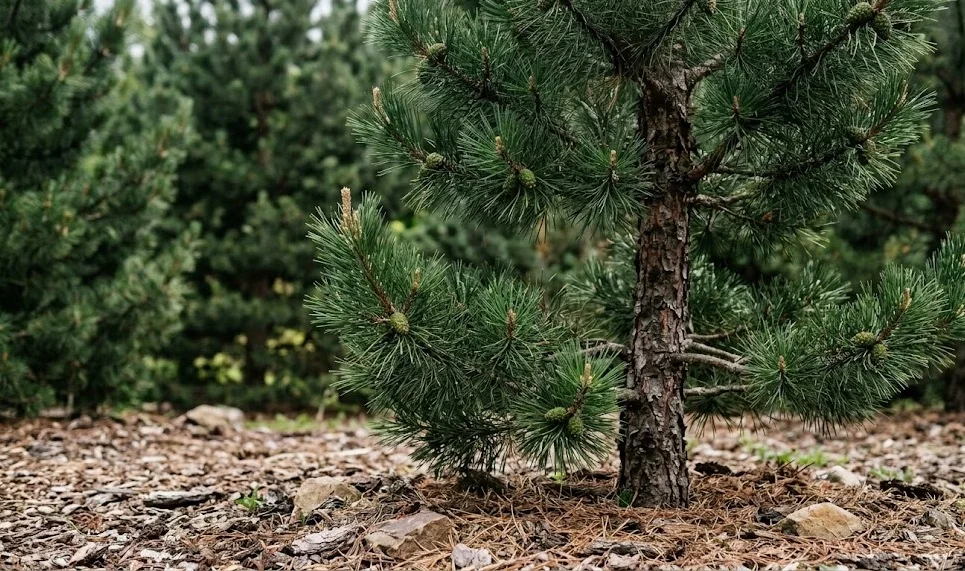

Preparing your black pine for the challenges of the winter season is a critical task that ensures its continued health and structural integrity. You must understand that even though these trees are evergreen and hardy, they are still susceptible to certain types of winter damage. A professional approach to wintering involves proactive steps taken long before the first frost arrives in your garden or agricultural field. By mastering these techniques, you can protect your trees from the drying winds, heavy snow, and fluctuating temperatures of the coldest months.
The primary threats during winter are desiccation, physical breakage from snow and ice, and the stress of rapid freezing and thawing cycles. You should view the wintering process as a continuation of your year-round care routine rather than an isolated or temporary event. Every action you take in the autumn should be focused on hardening the tree and preparing its internal systems for a period of dormancy. Professional gardeners always plan for the worst-case scenario to ensure their landscape features emerge from winter in peak condition.
Monitoring the weather and the tree’s physical state throughout the winter will help you intervene if a situation becomes dangerous for the specimen. You might need to provide physical support or temporary barriers to mitigate the effects of extreme storms or unusually low temperatures. Taking the time to understand the unique microclimate of your garden will allow you to tailor your wintering strategy for maximum effectiveness. This level of detail and foresight is what defines an expert and professional level of horticultural management.
Remember that the goal is not just survival, but ensuring the tree is ready to burst into healthy new growth as soon as the spring arrives. A poorly wintered tree may suffer from needle burn, branch dieback, or a weakened immune system that makes it vulnerable to pests later in the year. By following professional standards for winter care, you preserve the investment of time and resources you have already put into your black pine. Prepare yourself for a season of observation and stewardship as you guide your trees through the quietest part of the year.
Preparing for freezing temperatures early
The process of preparing your black pine for winter should ideally begin in the late summer or very early autumn of each year. You should stop any high-nitrogen fertilization at least six to eight weeks before the expected first frost to prevent soft, new growth. This allows the current season’s shoots to “harden off,” developing a thick cuticle and cell walls that can withstand freezing temperatures without damage. Professional growers are always disciplined about this timing to ensure the structural stability of their trees’ newest branches.
More articles on this topic
Adequate hydration is perhaps the most important factor in preventing winter desiccation, also known as “winter burn,” on evergreen needles. You should continue to water your black pine deeply and regularly until the ground actually freezes for the season. Evergreens continue to lose moisture through their needles all winter, especially during sunny or windy days when the roots cannot draw water from frozen soil. Providing a “hydration bank” in the soil before it freezes is a professional secret for maintaining vibrant green needles through the cold.
Inspecting the tree for any existing structural weaknesses or diseased branches is another vital task to complete before the winter storms arrive. You should prune out any dead or damaged wood that might snap under the weight of heavy snow or be torn away by high winds. These wounds can become entry points for pathogens when the weather warms up, so it is better to manage them proactively in the autumn. A clean and healthy canopy is much more likely to withstand the physical pressures of a harsh winter season.
Finally, you should take a moment to evaluate the overall health of the soil and the root zone one last time before the dormancy begins. If the soil has become compacted during the summer, a light aeration can help ensure that autumn rains reach the roots where they are needed most. Adding a small amount of organic compost can also provide a slow-release source of micronutrients that will be available as soon as the ground thaws. This holistic preparation sets the stage for a successful winter and a vigorous start to the following spring.
Protective mulching and root insulation
Applying a fresh layer of organic mulch is one of the most effective and professional ways to insulate the root system of your black pine. You should use materials like wood chips, bark, or pine needles to create a barrier that moderates the temperature of the soil beneath. This insulation helps prevent the “heaving” of the soil that occurs during rapid freeze-thaw cycles, which can expose and damage delicate roots. A consistent soil temperature is much less stressful for the tree’s hidden but vital subterranean structures.
More articles on this topic
The mulch layer should be approximately three to four inches deep and should extend out at least to the drip line of the tree’s canopy. You must be careful to keep the mulch a few inches away from the actual trunk to prevent rot and to avoid providing a home for rodents. These small animals can sometimes chew on the bark during the winter, causing significant damage to the tree’s vascular system if they are encouraged to nest there. Professionalism in mulching means being precise with both the depth and the placement of the material.
Mulching also serves the critical function of retaining moisture in the soil for as long as possible before and during the winter months. By reducing evaporation from the soil surface, the mulch ensures that every drop of water you provide in the autumn is available for the tree. It also suppresses any late-season weeds that might compete for resources as the tree tries to store energy for its dormant period. This multi-functional approach to site management is a key part of an expert’s winter preparation strategy.
In areas with particularly extreme cold, you might even consider a double layer of mulch or using specialized insulating blankets for very young or recently transplanted trees. These extra measures can make the difference between survival and failure during an unusually harsh or prolonged cold snap. Always remember that the roots are generally less hardy than the above-ground parts of the tree, making their protection a top priority. Your investment in high-quality mulching practices will pay off in the long-term health and stability of your evergreens.
Physical barriers against winter wind
In exposed locations, the cold, dry winds of winter can be just as damaging as the freezing temperatures themselves for your black pines. You should consider building a temporary windbreak using burlap, snow fencing, or other breathable materials to protect vulnerable specimens. This barrier reduces the speed of the wind and helps to minimize the rate of desiccation from the needles, preventing the dreaded winter burn. Professional landscapers often use these structures for young trees or those planted on the windward side of a property.
The windbreak should be positioned on the side of the prevailing winter winds, usually the north or west, and should be several inches away from the foliage. You must ensure that the structure is securely anchored into the ground so it does not blow over and damage the tree it is meant to protect. Providing this physical shield allows the tree to maintain its internal moisture balance much more effectively during the most challenging weather events. It is a proactive and highly effective way to manage the microclimate around your high-value landscape features.
For smaller trees or those in particularly high-risk areas, you might even choose to wrap the entire specimen in burlap for the duration of the winter. If you do this, make sure the wrap is loose enough to allow for air circulation while still providing a significant barrier against the wind and sun. You should remove these wrappings as soon as the weather begins to warm in the spring to prevent the buildup of heat and moisture. Professional care involves knowing exactly when to apply and when to remove these protective measures for the best results.
Anti-desiccant sprays are another professional option that can be applied to the needles to create a thin, waxy coating that reduces moisture loss. You should apply these products on a calm, dry day when the temperatures are still above freezing for the best coverage and adhesion. While not a replacement for proper watering and physical protection, these sprays can provide an extra layer of security for trees in difficult locations. Combining several different methods of wind protection demonstrates a sophisticated and expert approach to evergreen wintering.
Managing snow load and windbreak
Heavy, wet snow and ice can pose a significant threat to the structural integrity of your black pine’s branches and central leader. You should be prepared to gently remove excess snow after a major storm to prevent the wood from reaching its breaking point under the weight. Use a soft broom or your hands to upwardly brush the snow off the branches rather than shaking the tree violently, which can cause more damage. Professional arborists recommend a “less is more” approach when dealing with frozen branches that have become brittle in the cold.
If you notice that certain branches are consistently drooping or showing signs of stress under snow, you might need to provide temporary structural support. You can use soft ties or wooden props to help the tree carry the weight until the snow melts naturally in the sun. Be careful not to use wire or thin cord that could cut into the bark and cause permanent damage as the tree moves in the wind. This hands-on management during the winter months is a sign of a truly dedicated and professional gardener or agriculturalist.
Ice storms are particularly dangerous because the weight of the ice is much greater than snow and it is much harder to remove safely. You should generally leave ice-covered branches alone and wait for them to thaw naturally, as trying to break the ice off will almost certainly damage the bark and buds. If a branch does break, wait until the weather clears to make a clean, professional pruning cut that will heal properly in the spring. Patience and careful observation are your best tools when dealing with the unpredictable physical stresses of winter weather.
Finally, take the time to evaluate how your trees and your protective structures performed after each major winter event. You might discover that you need a stronger windbreak or a different mulching technique for certain parts of your garden or field. Learning from each season allows you to refine your professional wintering strategy and become more effective at protecting your landscape over time. Your black pines will reward this consistent and thoughtful care with years of majestic growth and vibrant evergreen beauty.