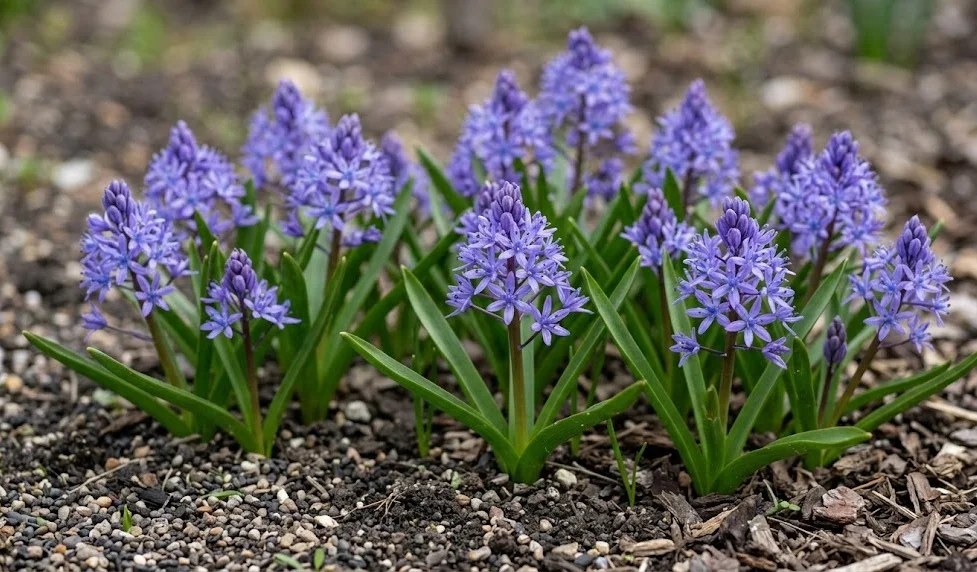

Providing the right environment for your garden plants is the primary step toward achieving a lush and healthy landscape during the spring season. The Balkan squill is a resilient and charming bulbous perennial that requires specific attention to its natural cycle to truly flourish. Gardeners should understand that consistent observation of the foliage and soil conditions will yield the best results over time. Taking a proactive approach ensures that the plant remains a highlight of your outdoor space for many years.
Maintaining healthy bulbs starts with understanding the transition from active growth to the necessary period of summer dormancy. Once the blue flowers have faded, it is vital to allow the leaves to turn yellow and wither naturally without premature intervention. This process allows the plant to pull essential nutrients back into the bulb for next year’s energy reserves. Cutting the green leaves too early will significantly weaken the plant and reduce the quality of future flowering seasons.
Soil health plays a central role in the long-term success of these Mediterranean natives within a temperate garden setting. They prefer a medium that is rich in organic matter but also offers exceptional drainage to prevent the bulbs from rotting during wet spells. You can improve your garden soil by incorporating well-rotted compost or leaf mold before the active growing season begins in late winter. A balanced soil structure provides the necessary anchorage and moisture retention required for the delicate root systems to develop.
The aesthetic appeal of these plants is often maximized when they are allowed to naturalize in large drifts under deciduous trees or along borders. You should avoid disturbing the soil around the bulbs once they have established themselves in a permanent location. Large colonies tend to produce a more dramatic visual impact and are generally more resilient against environmental fluctuations than isolated specimens. Patience is a key virtue for any gardener looking to create a professional-grade display of these spring beauties.
Seasonal management strategies
Adapting your garden routine to the changing seasons is the hallmark of a professional horticulturalist working with bulbous species. During the early spring months, you should focus on keeping the area clear of aggressive weeds that might compete for surface nutrients. As the temperature rises, the focus shifts toward maintaining a stable environment as the plant prepares for its spectacular floral display. Understanding the timing of these shifts allows you to provide support exactly when the plant needs it most.
More articles on this topic
Summer management is largely about neglect, which might seem counterintuitive to many novice gardeners who feel the need to keep watering. The Balkan squill actually benefits from a drier period during its dormancy to mimic its natural habitat in the rocky regions of the Balkans. Excessive moisture during the hot months can lead to fungal infections that compromise the integrity of the bulb structure. Keeping the ground relatively dry during July and August is a professional secret for maintaining healthy stock.
Autumn is the ideal time to evaluate the density of your plantings and decide if any thinning is required for the upcoming year. You can lightly top-dress the area with a thin layer of organic mulch to protect the soil surface from erosion during heavy autumn rains. This mulch will also break down over the winter, providing a fresh boost of nutrients just as the bulbs begin to stir. Careful preparation in the fall sets the stage for a successful and stress-free spring emergence.
Winter care involves monitoring the site for any signs of disturbance by animals or extreme weather events that might expose the bulbs. While these plants are remarkably hardy, a sudden deep freeze without snow cover can sometimes cause stress to shallow-planted individuals. You should ensure that the planting site remains undisturbed and free from heavy foot traffic which could compact the frozen soil. A quiet and protected winter allows the internal biological clock of the bulb to reset perfectly for the new year.
Optimizing the growing environment
The success of any garden plant is deeply tied to how well its artificial environment mimics its original wild geographical home. To achieve professional results, you must look at the microclimate of your garden and identify the spots that offer the best protection. A location that stays slightly cooler in the spring can actually extend the duration of the blooming period significantly. Finding this balance between warmth for growth and coolness for longevity is a skill developed through careful observation.
More articles on this topic
Air circulation is an often overlooked factor that contributes to the health of low-growing bulbous perennials like the Balkan squill. Ensuring that there is adequate space between the squill and larger perennials prevents the buildup of stagnant, humid air around the foliage. Good airflow reduces the risk of leaf spot diseases and helps the soil surface dry out appropriately after spring showers. Strategic spacing is not just about aesthetics; it is a functional requirement for a healthy and disease-free garden.
Soil pH levels can influence the availability of micronutrients and the overall vigor of the plant’s development throughout the year. While these bulbs are quite adaptable, they generally prefer a neutral to slightly alkaline soil profile which reflects their limestone-heavy origins. You can test your soil periodically to ensure that it hasn’t become overly acidic due to heavy rainfall or certain types of fertilizers. Maintaining the correct chemical balance in the earth is a sophisticated way to ensure professional-quality gardening results.
Compaction is a silent enemy of bulb health that can slowly degrade the quality of your garden display over several years. You should avoid walking on the planting beds, especially when the soil is wet and most susceptible to losing its porous structure. Compacted earth prevents oxygen from reaching the roots and restricts the natural expansion of the bulb clusters as they grow. Using dedicated paths or stepping stones is a professional practice that protects the delicate underground ecosystem of your garden.
Long term health and longevity
To ensure that your collection of Balkan squills lasts for decades, you must focus on the health of the parent bulbs and their offspring. Healthy plants will naturally produce small offsets that will eventually grow into flowering-sized bulbs if given the right conditions. Monitoring the vigor of the colony over several years will help you identify when it is time to intervene and provide additional support. A thriving colony is a testament to consistent and thoughtful care provided by a dedicated gardener.
Removing spent flower stalks is a practice known as deadheading, and it can help the plant focus its energy more effectively. By preventing the formation of seeds, you encourage the plant to direct all its carbohydrates back into the bulb for the next season. This is particularly important if you want to maintain the size and intensity of the blooms year after year. Use sharp, sterilized shears to make clean cuts and avoid tearing the delicate tissue of the plant.
Professional gardeners often keep a detailed log of when their bulbs emerge and finish blooming to identify any patterns of decline. If you notice that the flower production is decreasing despite proper care, it might be an indication that the soil is exhausted or the bulbs are overcrowded. Early detection of these subtle changes allows for corrective action before the entire colony is affected. Data-driven gardening is a highly effective way to manage a complex and diverse landscape.
Bio-diversity within your garden borders can also contribute to the long-term health of your squill population. Planting them alongside other species that have different root depths and nutrient requirements creates a more stable and resilient environment. For example, deep-rooted perennials can help bring up minerals from lower soil layers that the shallow bulbs cannot reach. Creating a balanced plant community is a professional strategy for building a self-sustaining and beautiful garden.
Advanced aesthetic considerations
The way you integrate these small blue flowers into your larger garden design can elevate the entire look of your property. Mass planting is the most common professional recommendation because it creates a high-impact visual carpet of color. You should aim for a natural, irregular distribution rather than strict rows to mimic how these plants grow in the wild. This organic approach to design feels more integrated and professional within a traditional or modern landscape.
Color coordination with other early spring bloomers can create a sophisticated palette that catches the eye from a distance. Consider pairing the deep blue of the Balkan squill with the bright yellow of winter aconites or the pure white of early snowdrops. These combinations provide a layered look that evolves as the weeks progress through the early part of the year. A well-planned color scheme shows a high level of horticultural expertise and artistic vision.
The texture of the foliage is another element that can be used to create interest even before the flowers fully open. The strap-like, glossy green leaves provide a clean contrast to the rough mulch or the dormant stems of nearby shrubs. As the leaves mature, they continue to provide a lush groundcover that protects the soil surface from the spring sun. Thinking about texture and form is just as important as focusing on the color of the blossoms.
Using these bulbs in rock gardens or on slopes can highlight their natural resilience and architectural beauty. The elevated position allows for better drainage and brings the small flowers closer to eye level for a more intimate viewing experience. It also prevents the plants from being overshadowed by larger, more aggressive garden inhabitants. Professional rockery design often utilizes these bulbs to fill the gaps between stones and provide early-season interest.
Practical tips for garden enthusiasts
If you are new to growing this particular species, starting with a small patch is a great way to learn its specific needs. You can observe how the plants respond to the unique light and soil conditions of your specific backyard before committing to a large-scale project. Every garden has its own microclimate, and what works in one neighborhood might need adjustment in another. Small-scale experimentation is a smart and professional way to build your gardening confidence.
Keep your gardening tools clean and sharp to prevent the accidental spread of pathogens between different parts of your yard. After working with bulbs, it is a good practice to wipe your trowels and shears with a mild disinfectant solution. This simple step can save you a lot of trouble by keeping your soil and plants free from unwanted diseases. Hygiene is a cornerstone of professional garden management that should never be overlooked by serious hobbyists.
Labeling your bulb drifts is a practical move that prevents accidental digging during the dormant season when there is no visible foliage. Use discreet markers that blend into the landscape but remain legible for your own reference when planning new additions. It is very easy to forget exactly where a colony is located once the leaves have completely disappeared in late summer. Clear organization is a sign of a well-managed and professionally maintained agricultural or garden space.
Sharing your successes and even your failures with other local gardeners can provide valuable insights into regional growing conditions. Local gardening clubs or online forums are excellent resources for discovering which varieties of squill perform best in your specific climate zone. Professional knowledge is often built on the shared experiences of a community of passionate plant lovers. Engaging with others helps foster a deeper appreciation for the art and science of horticulture.
Understanding the plant lifecycle
The internal biological processes of the Balkan squill are dictated by a sophisticated response to temperature and moisture changes. From the moment the first root hairs emerge in the autumn to the final withering of the leaves in June, the plant is constantly working. Understanding this lifecycle allows you to synchronize your care routine with the plant’s natural rhythm. A gardener who works with nature rather than against it will always see the most impressive results.
Dormancy is not a period of total inactivity, but rather a time of internal reorganization and preparation for the future. Inside the bulb, the embryonic flower for the following year is already beginning to take shape during the summer months. This is why maintaining the health of the bulb during its “sleep” is just as important as caring for it during its growth phase. Professional bulb producers pay very close attention to these hidden developmental stages to ensure high-quality stock.
The emergence of the flower spike is the culmination of months of energy storage and careful environmental sensing. As the soil warms to a specific threshold, the bulb triggers the rapid elongation of the stem and the opening of the buds. This timing is critical for the plant to take advantage of the early spring sun before the tree canopy closes. Observing this precision in nature is one of the most rewarding aspects of professional gardening and agriculture.
As the season ends, the production of seeds can provide a fascinating look into the reproductive strategy of the species. While most gardeners prefer to deadhead, allowing a few plants to go to seed can be an educational experience. The seeds are often dispersed by ants, which is a unique and specialized relationship found in many woodland plants. Understanding these ecological connections enriches your perspective as a professional steward of the land.