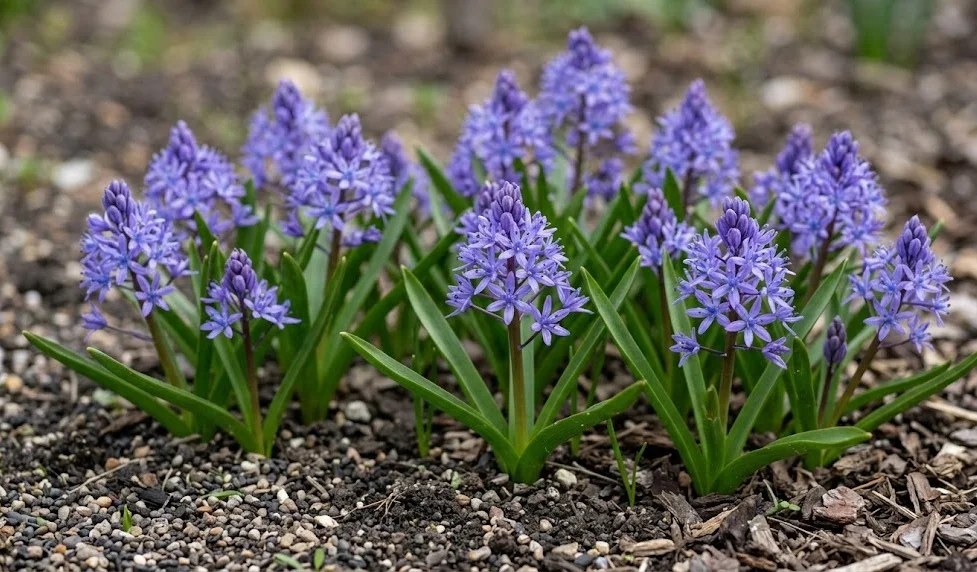

The management of plant tissue after the flowering period is a crucial aspect of professional garden maintenance that directly impacts the following year’s performance. For the Balkan squill, the most important rule is to resist the urge to tidy up the foliage too early after the blue blossoms have faded. The green leaves are busy capturing solar energy and converting it into carbohydrates that are stored deep within the bulb. A professional gardener understands that this post-bloom phase is a period of vital preparation for the plant’s future.
You should allow the leaves to remain on the plant until they have completely turned yellow and become limp and dry. This transition usually takes several weeks and signals that the bulb has finished reabsorbing all the nutrients it can from the foliage. Cutting the leaves while they are still green will significantly reduce the size and vigor of next year’s flowers. Patience is a fundamental professional virtue when it comes to managing the natural lifecycle of spring-flowering bulbs.
If you find the yellowing foliage unsightly in your garden borders, you can plant late-emerging perennials nearby to help hide the fading leaves. Hostas, ferns, or other leafy plants can grow up and over the dormant squill, providing a seamless transition between the seasons. This “inter-planting” strategy is a professional way to maintain a beautiful landscape without compromising the health of your bulbs. Designing for the entire year is a sign of a sophisticated and experienced horticulturist.
Avoid the traditional practice of tying or braiding the leaves together, as this reduces the surface area available for photosynthesis and can restrict air circulation. The leaves should be allowed to spread out naturally so they can catch as much light as possible during their final weeks of activity. Maintaining the natural form of the plant is always the best professional approach for ensuring long-term health and vitality. Your dedication to the plant’s biological needs will be reflected in the quality of your future garden displays.
Removing spent flowers and seed heads
Deadheading is the professional practice of removing the withered flower stalks once the blooming period has ended. By cutting off the old flowers before they can produce seeds, you encourage the plant to direct its energy into bulb growth rather than reproduction. This is particularly useful if you want to maintain a high level of flower production in a permanent garden display. Use sharp, clean snips to make a clean cut at the base of the flower stem, being careful not to nick the surrounding leaves.
More articles on this topic
If you are interested in naturalizing the plants and allowing them to spread through self-seeding, you can leave a few of the flower stalks in place. The seeds will mature in small pods and eventually fall to the ground, where they can germinate and grow into new plants over several years. This more relaxed approach is often used in woodland gardens or large naturalistic landscapes where a wilder look is desired. A professional gardener chooses the best technique based on the specific goals for the landscape.
When you do remove the flower stalks, make sure to dispose of them properly to keep the garden beds clean and free from potential pests or diseases. While the stalks are generally healthy, removing them prevents any opportunistic fungi from taking hold as the tissue begins to decay. Keeping the area tidy is a hallmark of professional garden management and contributes to the overall aesthetic appeal of the site. Small maintenance tasks like these make a big difference in the professional appearance of your property.
If you notice any damaged or diseased leaves during your post-bloom inspection, these should be removed immediately to protect the rest of the colony. Use sterilized tools and make clean cuts to prevent any further stress to the plant. Monitoring the health of the foliage during the entire growing season is a professional responsibility for any serious gardener. Clean and healthy leaves are the best insurance policy for a successful and beautiful spring the following year.
Cleaning up for the dormant season
Once the foliage has completely died back and can be easily pulled away from the soil with a gentle tug, it is time for the final cleanup. Removing the dry, brown leaves helps to prevent the buildup of organic debris that can harbor slugs or other pests during the summer months. It also leaves the ground clear and ready for the next phase of the garden’s life cycle. A professional finish to the season involves leaving the site in a tidy and well-maintained state.
More articles on this topic
You can lightly rake the soil surface after removing the old leaves to ensure that no small pieces of plant material are left behind. This is also a good time to check the integrity of your mulch and make any necessary adjustments before the heat of summer arrives. Keeping the soil surface clean and well-protected is a key part of professional bulb care. A well-managed garden looks good even when the main attractions are sleeping underground.
If you have used markers or labels, ensure they are still in place and clearly visible so you don’t accidentally disturb the dormant bulbs during summer gardening. It is very easy to forget exactly where a colony is located once there is no sign of life above the ground. Maintaining accurate records and clear labeling is a professional habit that saves time and prevents costly mistakes in the future. Organization is the backbone of any successful agricultural or horticultural project.
Ultimately, the process of pruning and cutting back is about supporting the plant’s natural rhythms with professional expertise. By knowing when to act and when to wait, you can ensure that your Balkan squill population remains a highlight of your garden for many years to come. The care you take during the quiet phases of the plant’s life is just as important as the attention you provide during the blooming period. Your professional approach to maintenance is the key to a thriving and sustainable garden landscape.