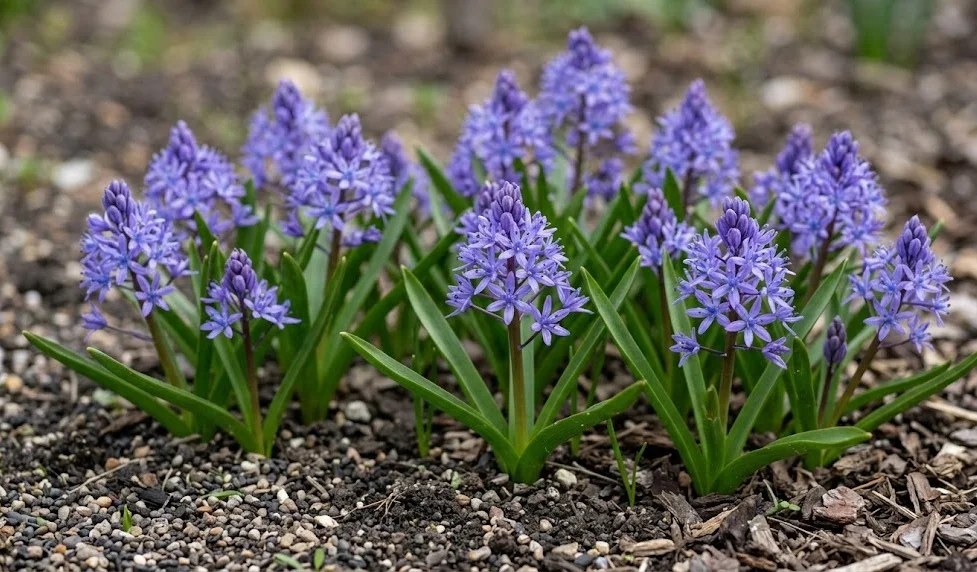

Understanding the light needs of your plants is a fundamental skill for any gardener who wants to create a thriving and beautiful outdoor space. The Balkan squill is a versatile plant that performs best in a location where it can receive plenty of bright, indirect light during its active spring season. In its natural habitat, it often grows in open woodlands or on rocky slopes where it is exposed to the sun before the tree canopy fully develops. Providing a similar environment in your garden will ensure that your plants produce the most intense blue flowers possible.
A spot that receives full sun in the morning and early afternoon is generally considered ideal for these spring-blooming bulbs. The morning sun provides the energy needed for photosynthesis without the intense heat of the late afternoon which can cause the flowers to fade prematurely. In professional landscape design, placing these bulbs on the eastern or southern side of buildings or shrubs is a common strategy to maximize light while providing protection. Observation of the shadows in your garden throughout the day will help you find the perfect balance.
If the plants are grown in too much shade, you might notice that the flower stems become elongated and weak as they reach for the light. This can result in a floppier appearance and less dramatic visual impact for your spring borders. Additionally, low light levels can lead to a decrease in the overall number of blooms produced by the colony over time. A professional gardener ensures that the light quality is sufficient to maintain the compact and sturdy habit that the species is known for.
On the other hand, extremely intense sun in very warm climates can sometimes be a bit much for the delicate petals of the squill. In these regions, a location with dappled shade or “high shade” from thin-canopied trees can provide a more comfortable environment for the plants. Finding the right light level is about understanding your local climate and how it interacts with the specific needs of the plant. Professionalism in gardening involves tailoring your approach to the unique conditions of your own backyard.
Managing light in a changing landscape
The light levels in a garden are not static and can change significantly as the seasons progress and your other plants grow. Deciduous trees are the perfect companions for the Balkan squill because they allow full sun to reach the ground in the early spring before their leaves appear. By the time the trees are in full leaf, the squill has finished its blooming and is beginning its summer dormancy, when shade is actually beneficial. This natural synchronization is a professional design secret for creating a dynamic and healthy garden.
More articles on this topic
You should regularly evaluate the growth of nearby shrubs and perennials to ensure they are not beginning to cast too much shade on your bulb drifts. Pruning and thinning out overgrown vegetation can help restore the light levels needed for the squill to continue thriving year after year. A professional gardener is always thinking about the long-term evolution of the landscape and how different plants interact with each other’s light needs. Keeping the “light window” open for your spring bulbs is an important maintenance task.
If you are planting in a new area, you can use a light meter or a simple time-lapse observation to determine exactly how many hours of sun a spot receives. This data-driven approach takes the guesswork out of site selection and leads to more professional and reliable results. Knowing the difference between “partial sun” and “dappled shade” is a sign of a sophisticated and informed horticulturalist. Accurate assessment of light is the first step toward a successful planting project.
Consider the reflective properties of nearby surfaces, such as light-colored walls or fences, which can increase the amount of light available to your plants. This can be a useful tool for boosting the energy levels in a slightly shadier corner of the garden. However, you should also be aware that these surfaces can trap heat, so monitoring the temperature during the day is also important. Using the architecture of your garden to manage light is a professional and creative way to optimize your growing conditions.
The effect of light on bloom quality
The intensity and duration of the light that the Balkan squill receives have a direct impact on the color and longevity of its blossoms. Brighter light generally leads to a deeper and more vibrant blue, which is the most sought-after characteristic of this particular species. If you want to achieve that iconic “carpet of blue,” ensuring adequate sun exposure is the most important factor to consider. A professional display is defined by the quality and consistency of the flower color across the entire planting.
More articles on this topic
Light also plays a role in the timing of the bloom, with plants in sunnier spots often flowering several days earlier than those in shadier locations. You can use this to your advantage by planting bulbs in different microclimates to extend the total blooming period in your garden. This staggered approach to flowering is a sophisticated professional technique for maximizing the visual interest of your spring landscape. Planning for a sequence of blooms shows a high level of horticultural expertise and vision.
As the flowers finish and the seeds begin to form, the plant still needs light to photosynthesize and store energy in the bulb for next year. This is why you should never cut back the foliage until it has turned yellow naturally, even after the flowers are long gone. The leaves are essentially “recharging” the bulb using the energy from the sun, and interrupting this process will weaken the plant. A professional gardener respects the entire functional lifecycle of the plant’s foliage.
Ultimately, the goal is to provide a light environment that allows the Balkan squill to express its natural beauty to the fullest. With the right balance of sun and shade, your garden will be rewarded every year with a stunning and healthy display of these early spring gems. Your attention to the details of light requirements is a key part of your professional success as a gardener and agriculturist. The vibrant blue flowers are a testament to the power of the sun and your expert management of it.