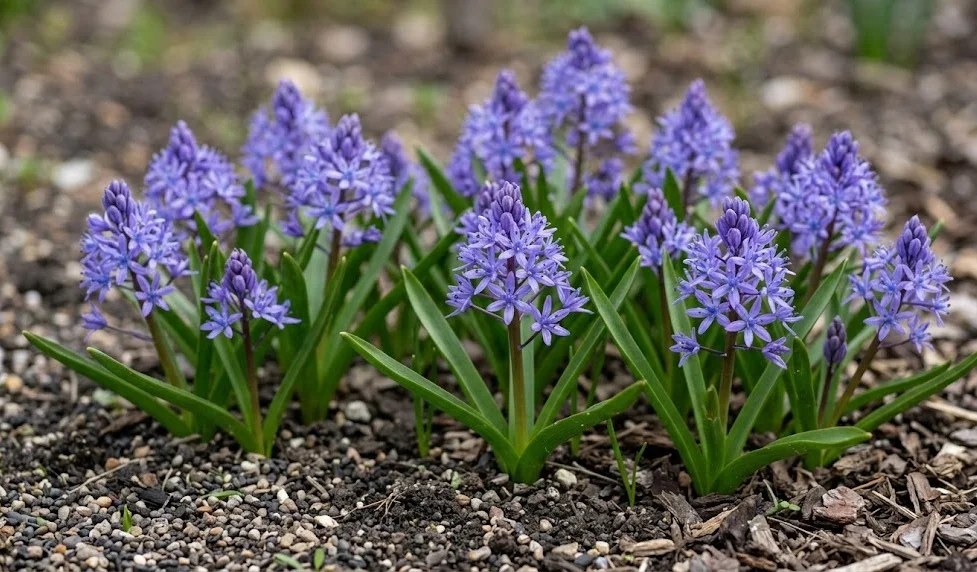

The transition from the mild days of autumn to the harsh conditions of winter requires a strategic approach to protect your garden’s valuable bulb collections. The Balkan squill is naturally hardy and capable of surviving significant cold, but a professional gardener takes extra steps to ensure the best possible outcome. Preparing the site before the ground freezes solid is essential for maintaining the integrity of the soil and the safety of the dormant bulbs. Proper preparation in the late fall sets the foundation for a successful and vibrant spring emergence.
Clear the area around your bulb drifts of any large piles of fallen leaves that might trap excessive moisture and lead to rot during the winter. While a thin layer of natural mulch is beneficial, thick mats of wet leaves can suffocate the soil and create an environment where mold can flourish. You want to maintain a clean and tidy surface that allows for some air exchange while still providing insulation from the cold. A professional eye for detail ensures that the balance between protection and ventilation is perfectly maintained.
Checking the moisture levels of the soil one last time before the first hard freeze is a wise precaution for any serious horticulturist. If the autumn has been exceptionally dry, a final thorough watering can help the bulbs stay hydrated through the frozen months. Bulbs that are well-hydrated are actually more resilient to extreme cold than those that are stressed by drought. This subtle but important step is a hallmark of a professional and proactive winter care routine.
Ensure that any markers or labels you use to identify your bulb colonies are securely in place and clearly legible. Winter can be a time of shifting soil and heavy snow, which can easily displace or bury small garden ornaments and signs. Knowing exactly where your bulbs are located allows you to avoid accidental disturbance if you need to perform any winter maintenance or snow removal. Professional organization is key to managing a complex garden throughout all four seasons.
Effective mulching techniques
Mulching is the primary tool used by professional gardeners to regulate soil temperature and protect the roots and bulbs from the effects of frost heave. A layer of organic material acts as an insulating blanket, preventing the ground from rapidly freezing and thawing during temperature fluctuations. This stability is vital for preventing the soil from expanding and contracting in a way that can push bulbs to the surface. You should aim for a consistent layer of mulch approximately two to three inches thick across the entire planting area.
More articles on this topic
Choosing the right material for your mulch can have a significant impact on the health of the soil and the plants. Well-rotted bark chips, leaf mold, or even clean straw are all professional choices that offer excellent insulation and drainage. These materials will slowly break down over the winter, adding valuable organic matter to the earth just as the plants need it in the spring. Avoid using materials that are known to harbor weed seeds or pests, as this will create more work for you later in the year.
Apply the mulch after the first light frost has occurred, as this signals to the bulbs that it is time to go fully dormant for the season. If you apply it too early, you might trap too much warmth in the soil and delay the plant’s natural transition into its winter rest. The goal is to keep the ground at a steady, cool temperature rather than trying to keep it warm. Precision in timing is what separates a professional application from a casual one.
In the late winter, you should check the mulch layer periodically to ensure it hasn’t been disturbed by birds or wind. If you see bare patches of soil, simply rake the existing mulch back into place or add a small amount of fresh material to maintain the protective coverage. Consistent coverage throughout the coldest months is the best way to ensure that the Balkan squill remains safe and healthy. A dedicated gardener remains attentive to the needs of the landscape even when there is nothing visible above the ground.
Winter monitoring and protection
Extreme weather events like heavy snowfalls or prolonged deep freezes require a professional gardener to be extra vigilant. While snow is actually an excellent natural insulator for the soil, a very heavy accumulation can sometimes weigh down nearby shrubs and cause branches to break over your bulb beds. You should carefully clear any fallen debris as soon as it is safe to do so to prevent physical damage to the sleeping plants. Monitoring your garden after a storm is a professional responsibility that ensures the long-term health of your collection.
More articles on this topic
If you are growing your Balkan squill in containers, they require a slightly different approach to overwintering than those in the ground. Pots are much more exposed to the air and can freeze completely through, which might be too much for the bulbs to handle in very cold climates. A professional strategy is to move the containers to a sheltered spot, such as an unheated garage or a protected corner of a patio. Wrapping the pots in burlap or bubble wrap can also provide an extra layer of insulation against the biting winter winds.
Avoid the temptation to bring dormant bulbs into a heated house, as the warmth will disrupt their natural chilling requirement. Most spring-flowering bulbs need a specific number of “chill hours” at low temperatures to trigger the development of the flower buds inside. Keeping them in a cold but protected environment is the best way to ensure they bloom beautifully when the spring finally arrives. Understanding the internal clock of the plant is a fundamental part of professional horticulture.
During periods of winter thaw, you should be careful not to walk on the saturated soil around your bulb drifts. This is when the soil structure is most vulnerable to compaction, which can have negative effects on the health of the bulbs for years to come. Using temporary planks or staying on established paths is a professional practice that protects the integrity of your garden beds. Respecting the soil’s condition is a key part of being a professional steward of your garden.
Signs of a successful overwintering
As the days begin to lengthen and the first signs of spring appear, you will start to see the results of your careful winter management. The first green tips of the Balkan squill pushing through the mulch are a heartening sight for any gardener after a long winter. You should look for uniform emergence across your drifts, which indicates that the bulbs survived the cold in good health. A professional-grade display is the direct result of the quiet work done during the dormant months.
If you notice that some areas are not showing growth, you can carefully investigate the soil to see if the bulbs were disturbed or if there are signs of rot. Early detection of any winter losses allows you to plan for replacements or adjustments in your protection strategy for next year. Every winter is a bit different, and a professional gardener learns from each season to improve their future results. Constant observation and reflection are vital for long-term gardening success.
Once the danger of hard frost has passed, you can gently pull back some of the heavier mulch to make it easier for the delicate shoots to reach the light. Be careful not to damage the emerging tips with your tools or fingers during this process. This gradual transition from winter protection to spring growth should be handled with a professional touch. The goal is to support the plant as it transitions back into its active and most visible phase of life.
The health and vigor of the first leaves will tell you a lot about the quality of the overwintering process. Strong, vibrant green foliage suggests that the bulbs were well-protected and had enough stored energy to start the season with confidence. A successful winter is not just about survival; it’s about setting the stage for the plant to thrive and bloom to its full potential. Your professional dedication to overwintering care is what makes the spring display so rewarding and beautiful.