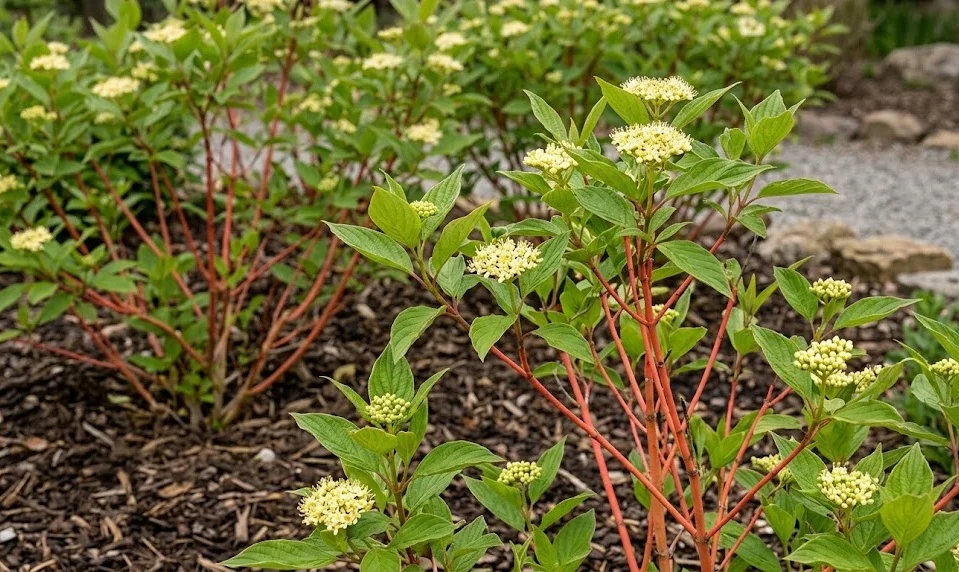

Maintaining the vibrant appearance of Siberian dogwood requires a consistent approach to seasonal garden management. You should focus on the shrub’s natural growth cycle to ensure it remains a highlight in your landscape throughout the year. This particular variety is prized for its intense red winter stems, which only appear on young, healthy wood. By understanding the plant’s basic needs, you can create a thriving environment that showcases its best features across all seasons.
Managing the soil environment is the first step toward a healthy specimen in your garden. You need to ensure the ground remains consistently moist without becoming waterlogged or swampy. Adding organic matter like compost can significantly improve the structure of the soil over time. This helps the roots access the necessary nutrients while maintaining the proper air-to-water ratio.
The surrounding vegetation also plays a role in how well your dogwood performs. You should clear away aggressive weeds that might compete for surface moisture and vital minerals. Keeping a clean perimeter allows you to spot potential issues before they become serious problems. A well-maintained garden bed provides the perfect foundation for this deciduous shrub to reach its full potential.
Observation is a key skill for any gardener looking to maintain a professional standard. You should regularly check the foliage for any signs of discoloration or unexpected wilting. These visual cues often tell you more about the plant’s health than any soil test could. Taking a few minutes each week to inspect your plants will save you significant effort in the long run.
Understanding the growth cycle
The growth cycle of this shrub is quite vigorous once the root system has established itself. You will notice rapid expansion during the late spring and early summer months. This period is when the plant requires the most support in terms of hydration and nutrients. Managing this growth ensures the plant doesn’t become overly leggy or structurally weak.
More articles on this topic
Summer brings a focus on maintaining the lush green foliage that provides a backdrop for other flowers. You should aim to keep the leaves hydrated to prevent crispy edges during heatwaves. Even though the stems are the star in winter, the summer leaves are essential for energy production. Healthy photosynthesis during the warmer months leads to better stem color once the leaves drop.
Autumn is a transition phase where the plant prepares itself for the upcoming dormant period. You might see the leaves turn interesting shades of purple or red before they eventually fall. This is the natural process of the plant pulling nutrients back into its core structure. You don’t need to intervene much during this time, as the plant knows exactly what to do.
Winter is when your efforts in care truly pay off with a spectacular visual display. The bright red bark stands out beautifully against the white snow or the grey winter sky. You can enjoy this architectural element of your garden when most other plants are looking dull. It serves as a reminder that proper care during the growing season yields year-round rewards.
Soil health and composition
The ideal soil for this shrub is one that mimics the rich, damp conditions of its native habitats. You should aim for a slightly acidic to neutral pH level for the best results. If your soil is naturally very alkaline, you might consider adding sulfur-based conditioners. This adjustment helps the plant absorb iron and other micronutrients more efficiently.
More articles on this topic
Organic content is perhaps the most important factor for long-term success in your garden. You can incorporate well-rotted manure or leaf mold into the planting area every spring. This not only feeds the plant but also improves the soil’s ability to hold moisture. Over time, the soil becomes a living ecosystem that supports the shrub with minimal intervention.
Drainage is a critical aspect that you must monitor, especially during heavy rain periods. While the Siberian dogwood likes moisture, it cannot survive in standing water for extended periods. You might need to install simple drainage solutions if you notice water pooling around the base. Elevating the planting site slightly can also help manage excess water effectively.
Mulching is a professional technique that offers multiple benefits for soil health. You should apply a layer of wood chips or shredded bark around the base of the plant. This layer keeps the roots cool during the summer and protects them from freezing in winter. It also slowly decomposes, adding more organic matter back into the earth as time passes.
Seasonal maintenance routines
Spring is the time for action when it comes to cleaning up the garden area. You should remove any debris or fallen leaves that may have accumulated over the winter months. This prevents the buildup of mold or fungi that could affect the new growth. Preparing the ground now sets the stage for a successful and vibrant growing season.
Summer maintenance involves a lot of monitoring and reactive care based on the weather. You should prioritize watering during dry spells to prevent the plant from going into a stress response. Mulch should be topped up if it has thinned out over the previous months. Keeping the plant comfortable during the heat ensures it stays strong for the winter ahead.
Late summer is a good time to assess the overall shape and health of the shrub. You might notice some branches that are growing in undesirable directions or crowding the center. While major pruning is saved for later, light thinning can improve airflow through the branches. Better airflow reduces the risk of leaf diseases that thrive in stagnant, humid conditions.
Winter maintenance is mostly about protection and planning for the next year. You should check the plant after heavy snowfalls to ensure the weight hasn’t snapped any branches. It is also an excellent time to plan your pruning strategy while the structure is fully visible. Observing the plant in its bare state helps you understand its architectural needs better.
Aesthetic integration in the landscape
Using this shrub effectively in your garden requires a bit of artistic vision and planning. You can plant it in groups to create a massive splash of red color during the winter. This mass planting approach is often more effective than having a single isolated specimen. It creates a bold focal point that draws the eye across the landscape.
The backdrop you choose for the dogwood will change how the colors are perceived. You might want to plant it in front of dark evergreens to make the red stems pop. The contrast between the deep green and the bright crimson is a classic design element. Think about the sightlines from your windows when choosing the final planting spot.
Companion plants can enhance the beauty of the Siberian dogwood throughout the different seasons. You could plant spring bulbs like snowdrops or crocuses around the base for early color. In the summer, hostas or ferns can hide the lower stems and provide a lush texture. These layers of planting create a professional and finished look for your garden beds.
Structure and height are also important considerations for your overall garden design. You can use the shrub as a soft hedge or a boundary marker between different areas. It provides a sense of enclosure without feeling too heavy or formal like a stone wall. Its flexible branches move gracefully in the wind, adding a dynamic element to the space.
Long-term vitality and vigor
To keep your shrub looking its best for many years, you need to think about rejuvenation. You should not be afraid to cut back older wood to make room for new growth. This process keeps the plant young and ensures the stem color remains as bright as possible. A plant that is never pruned will eventually become dull and lose its ornamental value.
Monitoring the environmental changes in your garden is part of being a professional gardener. You might find that a nearby tree has grown and is now casting too much shade. Adapting your care routine to these changes will help the dogwood stay healthy and strong. Sometimes, moving a plant is the best long-term solution for its continued vitality.
Documentation can be a very helpful tool for tracking the progress of your garden. You should keep a simple log of when you fertilize, prune, or notice any specific issues. This history allows you to identify patterns and make better decisions in the following years. It turns gardening from a series of guesses into a systematic and successful practice.
Health starts from the roots, so never ignore what is happening beneath the surface. You should avoid compacting the soil around the plant by not walking too closely to the base. Oxygen is just as important as water for root health and overall plant vigor. Keeping the soil loose and airy will result in a much more resilient and beautiful shrub.
Professional tools and safety
Using the right tools makes every gardening task easier and more effective for the plant. You should invest in a high-quality pair of bypass pruners for clean and precise cuts. Sharp tools prevent crushing the stems, which can lead to infection or slow healing times. Always clean your tools after use to prevent the spread of pathogens between plants.
Safety is paramount when working with any landscaping equipment or gardening tools. You should wear sturdy gloves to protect your hands from scratches or accidental nicks. Eye protection is also recommended when you are working inside the dense canopy of the shrub. Taking these precautions ensures that your gardening experience remains productive and injury-free.
Ladders or long-reach tools might be necessary if you let your dogwood grow to its full height. You should always ensure that any equipment you use is stable and placed on level ground. If a task feels too dangerous or physically demanding, don’t hesitate to ask for help. A professional approach always prioritizes safety over speed or convenience in the garden.
Storage of your garden chemicals and fertilizers should be handled with great care and logic. You must keep these products in a cool, dry place away from children and pets. Always read the labels carefully before application to ensure you are using the correct dosage. Following the manufacturer’s instructions is the best way to achieve professional results safely.