
Understanding the light requirements of your Siberian dogwood is fundamental to achieving the best possible aesthetic results in your garden. You should recognize that while this plant is versatile, its appearance is heavily influenced by the amount of sun it receives. Whether you want lush summer foliage or brilliant winter stems, the placement of the shrub relative to the sun is a key decision. This professional guide explores how light affects every stage of the plant’s development.
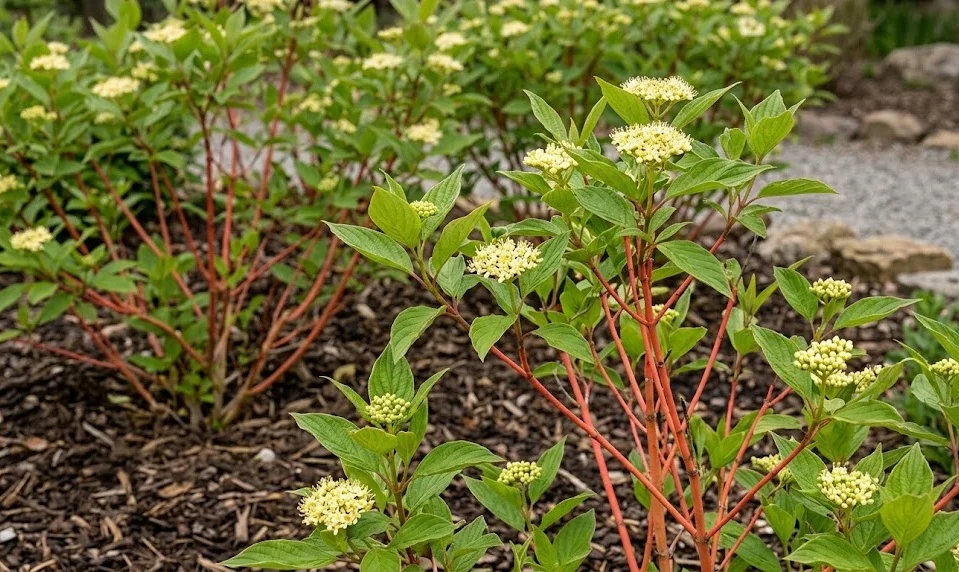
The most dramatic feature of the Siberian dogwood, its bright red stems, is directly linked to the amount of sunlight it gets. You should aim to place the shrub in a spot that receives full sun for the most intense winter color. While it can grow in less-than-ideal light, the stems will often be a duller, more brownish shade of red. Sunlight triggers the production of pigments in the bark that create that iconic “fire on the snow” look.
In addition to stem color, sunlight also drives the density and health of the summer foliage. You will find that plants in sunny spots are generally more compact and have a thicker canopy of leaves. This dense growth is perfect for creating hedges or privacy screens that look full and professional. Shady conditions often lead to a more open, leggy habit that might not provide the same level of visual impact.
However, you must also consider the potential for heat stress if the plant is in a very hot, sunny location without enough water. You should balance the need for light with the availability of soil moisture to keep the plant comfortable. In southern or very warm climates, a bit of afternoon shade can actually be beneficial to prevent the leaves from scorching. Finding the “sweet spot” for light in your specific garden is part of the art of professional landscaping.
Optimal exposure for maximum color
For the best results, you should provide at least six to eight hours of direct sunlight every day during the growing season. This level of exposure ensures that the plant has enough energy to produce the vibrant red pigments in its young wood. You might notice that the side of the shrub facing the sun is always brighter than the side in the shade. This is a clear indicator of how important light is for the ornamental quality of the bark.
More articles on this topic
Morning sun is particularly valuable because it helps dry the dew off the leaves quickly, reducing the risk of fungal diseases. You should try to orient your planting beds so that the dogwoods get the early rays of the sun as it rises. This natural drying process is a free and effective way to maintain the health of the foliage without using any chemicals. It is a simple professional trick that can save you a lot of trouble later in the season.
If you have a very large garden, you can use the movement of the sun to create different effects with your dogwood plantings. You could place some in full sun for maximum winter drama and others in partial shade for a softer, more natural look. This variety in exposure adds depth and interest to the landscape throughout the year. Always think about the sun’s path when you are sketching out your planting plans.
Reflected light can also play a role in how the plant perceives its environment and develops its color. You might find that planting the shrub near a white wall or a light-colored fence increases the amount of light it receives. This extra boost can be very helpful if your garden is naturally a bit shaded by nearby trees or buildings. Be creative with your placement to make the most of the available light in your specific space.
Shade tolerance and its consequences
One of the great things about the Siberian dogwood is its ability to tolerate partial shade better than many other ornamental shrubs. You can successfully grow it in areas that receive only four hours of sunlight, such as under the canopy of large, established trees. In these spots, the plant serves as an excellent woodland-style shrub that adds texture and height to the lower layers of the garden.
More articles on this topic
However, you should be prepared for some changes in the plant’s appearance if you choose to grow it in the shade. The growth will likely be slower, and the stems will not have the same “glowing” quality during the winter months. You might also find that the plant is more susceptible to leaf spot diseases due to the higher humidity and lower light levels. Professional care in the shade often involves more careful monitoring of the plant’s health.
Pruning becomes even more important for plants grown in shaded areas to help open up the canopy. You should thin out the branches more aggressively to allow what little light is available to reach the center of the shrub. This improved light penetration will help keep the inner leaves healthy and encourage some stem color even in less-than-perfect conditions. It is a necessary adjustment to your maintenance routine for shaded specimens.
If the shade becomes too deep, the plant may eventually become weak and sparse, losing its ornamental value altogether. You should look for signs that the shrub is “reaching” for the light, with long, thin stems and very few leaves. In such cases, you might need to prune back nearby trees to let more light in or consider moving the dogwood to a sunnier spot. Always be ready to adapt your garden as the surrounding environment changes over time.
Sunlight and seasonal bark changes
The relationship between sunlight and bark color is a fascinating process that happens throughout the entire year. You will notice that the stems are green or light brown during the summer when they are covered by the leaves. As autumn approaches and the leaves fall, the exposure to sunlight and cooler temperatures triggers the color change. This transition is nature’s way of preparing the plant for the winter spotlight.
You can actually “train” your dogwood to produce better color by how you manage the surrounding vegetation. You should ensure that tall weeds or other plants do not shade the base of the stems during the late summer. Keeping the lower wood exposed to the sun will help the red color develop more evenly from the ground up. This attention to detail is what separates a professional landscape from a casual garden.
In the late winter and early spring, the sun can sometimes be strong enough to cause the bark to fade or become “sunbleached.” You might see the brightest reds start to turn a bit more orange or yellow as the days get longer. This is a natural cycle, and there is no need to worry about the health of the plant when this happens. It simply means that the time for the winter display is coming to an end and spring growth is near.
Observation is your best tool for understanding the light dynamics in your own unique garden space. You should take photos of your dogwood at different times of the day and during different seasons. This visual record will help you see exactly how the light hits the plant and how it responds over time. Using these insights, you can refine your care and placement to achieve the professional results you desire.