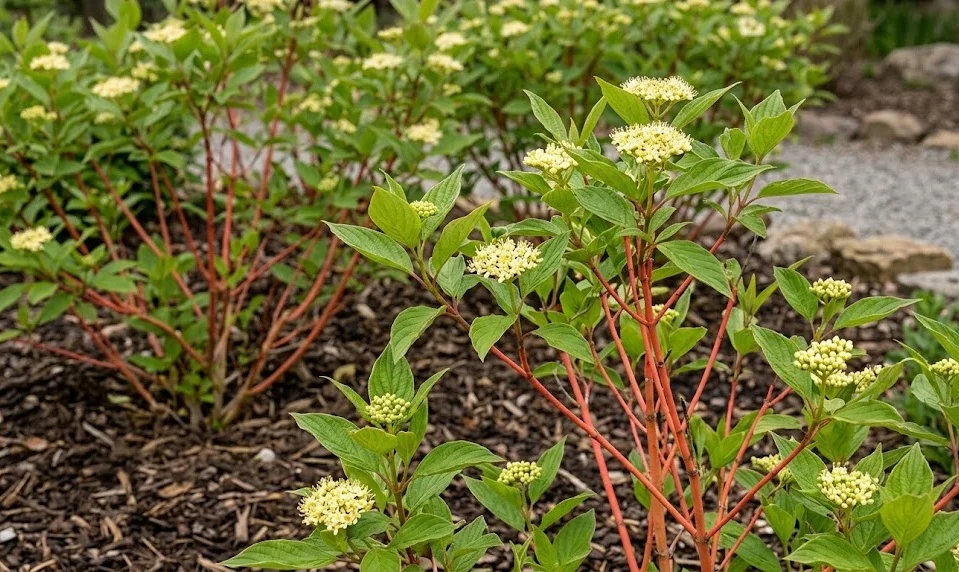

Correct hydration and nutrient management are the twin pillars of maintaining a stunning Siberian dogwood in any garden setting. You should understand that this plant has a specific appetite for moisture and minerals that must be met for optimal growth. Without a balanced approach, the characteristic red stems may lose their intensity, and the foliage may become sparse. This guide provides professional insights into establishing a routine that keeps your shrub thriving year after year.
Watering is not just about quantity; it is also about the timing and method of delivery you choose. You should aim to water the base of the plant directly to keep the foliage as dry as possible. This practice reduces the risk of fungal infections that often occur when leaves stay wet for too long. Morning is the ideal time for watering, as it allows any accidental moisture on the leaves to evaporate quickly.
Soil moisture should be checked regularly, especially during the peak heat of the summer months. You can simply stick your finger into the soil to a depth of about five centimeters to feel for moisture. If the soil feels dry at that depth, it is time to give the plant a thorough soaking. A deep watering once or twice a week is usually better than a light sprinkling every day.
The age of the plant also dictates how much attention you need to pay to its watering needs. Newly planted shrubs have limited root systems and require much more frequent irrigation than established ones. You should be especially vigilant during the first two growing seasons to ensure the roots never dry out. Once the plant is mature, it becomes slightly more resilient, but it still prefers damp soil.
Hydration cycles and techniques
Creating a consistent hydration cycle helps the plant regulate its internal processes more effectively. You should try to maintain a steady level of moisture rather than letting the soil swing between bone-dry and saturated. These extreme fluctuations can cause stress, leading to stunted growth or poor stem coloration in the winter. Think of yourself as a guardian of the plant’s hydraulic stability throughout the seasons.
More articles on this topic
Drip irrigation systems are a professional choice for managing the watering needs of large landscape plantings. You can set these systems on a timer to deliver a precise amount of water directly to the root zone. This method is incredibly efficient and saves a significant amount of water compared to traditional sprinklers. It also ensures that the plant receives moisture even when you are away or busy with other tasks.
During periods of extreme drought, you might need to increase the frequency of your watering routine. You should look for signs of heat stress, such as leaves that curl or lose their turgidity during the day. Providing a deep soak in the evening can help the plant recover overnight and face the next hot day. Adding a little extra water during these times can be the difference between a thriving plant and a struggling one.
Mulch plays a vital role in your watering strategy by significantly reducing the rate of evaporation from the soil. You should maintain a layer of organic mulch that is at least five to seven centimeters thick. This layer acts as a thermal blanket, keeping the roots cool and moist even in direct sunlight. It also prevents the surface of the soil from crusting over, which allows water to penetrate more easily.
Nutrient requirements and timing
Fertilization provides the chemical building blocks that the Siberian dogwood needs for its vigorous growth. You should focus on providing a balanced supply of nitrogen, phosphorus, and potassium during the growing season. A slow-release fertilizer is often the best choice for home gardeners and professionals alike. This type of product provides a steady stream of nutrients over several months rather than a single overwhelming burst.
More articles on this topic
Early spring is the most effective time to apply fertilizer to your garden shrubs. You should wait until you see the first signs of new growth before spreading any granules around the base. This ensures that the plant is active and ready to absorb the nutrients as they become available in the soil. Applying fertilizer too early in the winter is wasteful, as much of it will simply wash away.
Avoid fertilizing the plant late in the summer or during the autumn months. You do not want to encourage fresh, tender growth just as the plant is preparing to enter dormancy for the winter. This new growth is highly susceptible to frost damage and can weaken the overall health of the shrub. Stopping your feeding routine by mid-July allows the plant to harden off its existing wood properly.
Organic fertilizers, such as well-aged compost or manure, are excellent alternatives to synthetic products. You can spread a thick layer of these materials around the base of the plant every year. As they break down, they improve the soil structure and provide a wide range of trace minerals. This holistic approach to nutrition creates a more sustainable and healthy environment for your dogwood.
Mulching benefits for root health
The application of mulch is one of the most beneficial things you can do for the longevity of your shrub. You should use natural materials like shredded bark, wood chips, or even pine needles for the best results. These materials not only look professional but also provide a habitat for beneficial soil organisms. As the mulch decomposes, it turns into rich humus that feeds the root system naturally.
You must be careful not to pile the mulch directly against the main stems of the dogwood. You should leave a small gap of a few centimeters around the base of the plant to allow for air circulation. Piling mulch against the bark can trap moisture and cause the wood to rot or attract pests. This “mulch volcano” effect is a common mistake that you should avoid at all costs.
The thickness of the mulch layer should be monitored and replenished at least once a year. You will find that the organic material breaks down faster in warm, wet weather than in cold, dry conditions. Keeping the layer consistent ensures that the soil temperature remains stable throughout the changing seasons. A well-mulched garden bed also looks much neater and requires far less weeding over time.
Weed suppression is another major advantage of maintaining a proper mulch layer around your plants. You should remove any existing weeds before applying the mulch to ensure a clean start for the season. The mulch blocks sunlight from reaching weed seeds, preventing them from germinating and competing for nutrients. This reduces the physical labor required to keep your garden looking its absolute best.
Seasonal adjustments to care
As the seasons change, you must adapt your watering and fertilization strategies to match the plant’s needs. You should decrease the amount of water you provide as the temperatures cool down in the autumn. The plant’s metabolism slows down, and it no longer needs the same volume of hydration to stay healthy. This gradual reduction helps the plant prepare for the cold months ahead.
In the spring, you should resume regular watering as soon as the ground thaws and the buds begin to swell. This is the period of most intense growth, and the plant has a high demand for both water and nutrients. You should also check the soil for any compaction that may have occurred over the winter. Loosening the surface slightly will help the spring rains reach the roots more effectively.
Summer adjustments often involve responding to the specific weather patterns of each individual year. You might need to water more frequently during a dry July than you did during a rainy June. You should stay flexible and base your actions on the actual conditions in your garden rather than a rigid schedule. Professional gardening is about being in tune with the environment and responding appropriately.
Winter care is minimal when it comes to watering and fertilization, as the plant is largely dormant. You generally do not need to water at all unless the winter is exceptionally dry and the ground is not frozen. Fertilization should be completely avoided until the following spring brings renewed life to the garden. Use this quiet time to observe the plant’s structure and plan for the upcoming growing season.
Signs of nutrient and water stress
Learning to read the visual signals of your plant is a skill that will make you a much better gardener. You should watch for yellowing leaves, which can be a sign of either overwatering or a nutrient deficiency. If the veins remain green while the rest of the leaf turns yellow, the plant may be suffering from iron chlorosis. Adjusting the soil pH or adding a specialized fertilizer can usually solve this problem quickly.
Wilting is the most obvious sign of water stress, but it can be misleading if the soil is already wet. You should always check the soil moisture before adding more water to a wilting plant. If the ground is soaked and the plant is wilting, the roots may be rotting and unable to take up moisture. In this case, you need to improve the drainage rather than adding more water to the situation.
Slow growth and small, pale leaves often indicate that the plant is not getting enough nitrogen. You should consider a balanced feeding if you notice the shrub is not reaching its expected size or vigor. However, be careful not to over-fertilize, as this can lead to excessive foliage at the expense of stem color. A professional balance is always better than an excess of any single nutrient.
Brown, crispy edges on the leaves, often called leaf scorch, are usually a sign of insufficient water during hot weather. You should increase the depth and frequency of your watering if you see this happening in the summer. Once the edges are brown, they will not turn green again, but you can prevent the damage from spreading. Keeping the plant well-hydrated is the best defense against the harsh effects of the summer sun.