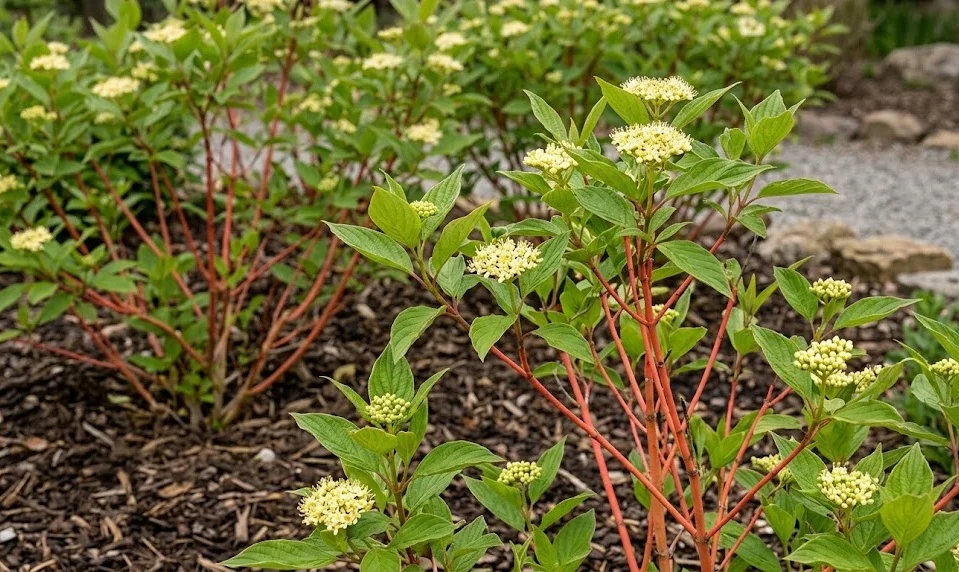

Mastering the art of pruning is the most important skill you can develop for maintaining a spectacular Siberian dogwood. You should understand that this shrub is grown primarily for its young, vibrant stems, which only appear through regular cutting. Without a professional pruning routine, the plant will eventually become a large, dull-colored bush that loses its architectural appeal. This guide outlines the techniques and timing you need to keep your dogwood looking its absolute best.
The fundamental principle of pruning this variety is that the brightest red color is found on the stems that are only one or two years old. You should aim to remove a portion of the older wood every year to make room for fresh, vigorous growth. This process, often called renewal pruning, keeps the plant in a state of perpetual youth and high ornamental value. It is a satisfying task that yields immediate visual improvements to the shrub’s structure.
Timing is everything when it comes to cutting back your dogwood for the best results. You should perform your major pruning in the late winter or very early spring, just before the new buds begin to open. At this time, the plant is still dormant, but it is ready to put all its stored energy into the new shoots. Pruning too early in the winter can expose the raw cuts to extreme cold, while pruning too late can waste the plant’s energy.
You have two main options when it comes to the style of pruning you choose for your garden. You can either cut the entire shrub down to within ten centimeters of the ground every few years, a method known as coppicing. Alternatively, you can remove one-third of the oldest stems every single year to maintain a larger, more permanent structure. Both methods are professionally recognized and depend on the look you want to achieve in your landscape.
Timing the cuts for maximum impact
Choosing the right day for pruning can actually make the job easier and better for the plant’s health. You should look for a dry, clear day when the temperatures are above freezing to do your cutting. Working in wet weather can increase the risk of spreading fungal spores into the fresh pruning wounds. A clean, dry cut will callow over and heal much more quickly than one made in damp or freezing conditions.
More articles on this topic
By waiting until late winter, you get to enjoy the red stems for as long as possible during the dark months. You should view the pruning as the final act of the winter season and the first act of the spring garden. Once the colorful stems have done their job of brightening the landscape, they can be removed to make way for the new growth. This cycle ensures that your garden is always moving forward and staying dynamic.
If you miss the early spring window, you can still do some light pruning during the summer to maintain the shape. You should limit this to removing dead or broken branches or thinning out areas that have become too dense. Avoid major cutting during the heat of the summer, as this can stress the plant and lead to poor recovery. Professional gardeners always prioritize the plant’s long-term health over immediate aesthetic changes.
Keep a close eye on the weather forecast as you plan your pruning schedule for the year. You should avoid pruning just before a predicted period of extreme cold or a heavy ice storm. The fresh cuts are vulnerable until they have had a chance to dry and seal themselves naturally. A little bit of strategic timing will ensure that your dogwood bounces back with incredible vigor once the spring warmth arrives.
Rejuvenation pruning and coppicing
Coppicing is a bold but highly effective technique for those who want the most intense color possible. You should cut every single stem back to a short “stool” just above the ground level every two or three years. This triggers a massive flush of new growth that will be incredibly bright red the following winter. While the shrub will be small for the first few months of the summer, it grows very quickly.
More articles on this topic
If you prefer a larger shrub, the “one-third rule” of rejuvenation pruning is the professional standard to follow. You should identify the oldest, thickest, and most discolored stems and cut them off at the very base of the plant. Removing these old branches opens up the center of the shrub to more light and air, which encourages new stems to sprout from the ground. Over a three-year period, you will have completely replaced the entire plant with fresh, colorful wood.
Always use the sharpest tools you can find to ensure clean cuts that don’t crush the stems. You should make your cuts at a slight angle away from any remaining buds so that water can drain off easily. Avoid leaving long “stubs” behind, as these will simply rot and could provide an entry point for pests or diseases. A clean, professional cut should be flush with the main stem or just above a healthy bud.
After a heavy pruning session, you should give the plant a little extra care to help it recover. You could apply a light dressing of balanced fertilizer and ensure the mulch layer is replenished around the base. This provides the extra nutrients and moisture retention the plant needs to push out its new growth. You will be amazed at how quickly a dogwood can grow back after being cut back significantly.
Maintaining shape and health
Beyond the major annual pruning, you should also look for “the three Ds”: dead, damaged, or diseased wood. You can remove these branches at any time of the year to keep the plant healthy and looking its best. Keeping the interior of the shrub clean prevents the buildup of old leaves and debris that can trap moisture. A well-maintained skeleton is the foundation of a beautiful and professional-looking specimen.
You should also watch for any stems that are crossing or rubbing against each other in the wind. This constant friction can wear away the bark and create wounds that are susceptible to infection. Removing one of the offending branches will solve the problem and improve the overall structure of the plant. Think of yourself as an artist who is refining the shape of a living sculpture.
If your dogwood is part of a hedge, you might need to do some light trimming to keep the edges neat. You should try to keep the bottom of the hedge slightly wider than the top so that light can reach the lower branches. This prevents the bottom from becoming bare and “leggy” over time, which is a common problem with many formal hedges. A natural, slightly informal shape is usually best for showcasing the beauty of the Siberian dogwood.
Finally, don’t be afraid to experiment with your pruning to see how the plant responds in your specific environment. You might find that your particular shrub responds better to one method over another after a few years of observation. Gardening is a lifelong learning process, and the dogwood is a very forgiving subject for practicing your skills. With a pair of sharp pruners and a bit of knowledge, you can keep your Siberian dogwood looking vibrant for decades.