
The ability of certain vegetables to withstand the harsh conditions of winter is a remarkable biological feat that provides fresh harvests during the coldest months. Leeks are among the hardiest members of the onion family, with many varieties specifically bred to endure freezing temperatures and snow. A professional approach to overwintering involves selecting the right cultivars and providing the necessary protection to ensure the plants remain in top condition. This phase of the growing cycle requires a different set of management skills compared to the summer months.
Preparation for the winter begins long before the first frost arrives in the garden. It is essential to ensure that the plants have reached a sufficient size and have a strong, healthy root system by late autumn. Stunted or stressed plants are much more likely to suffer from freeze damage or rot during the damp winter months. As the days shorten and temperatures drop, the metabolic rate of the plant slows down, entering a period of semi-dormancy.
Understanding the specific hardiness of different varieties is key to a successful winter strategy. Some “summer” types are only moderately frost-tolerant and should be harvested before the ground freezes solid. True “winter” varieties, however, can survive temperatures well below freezing, and some even seem to improve in flavor after a good frost. A professional grower selects a mix of varieties to extend the harvest window from late autumn all the way into early spring.
The physical environment of the garden also plays a role in how well the plants will fare during the winter. A site that is well-protected from cold winds and has excellent soil drainage is ideal for overwintering crops. Standing water can be particularly damaging during the winter, as it can freeze around the base of the plant and cause physical damage to the tissues. A dedicated agriculturalist considers these factors when planning the layout of the winter vegetable plot.
Variety selection and hardiness
Choosing the correct variety is the most important decision a grower can make when planning for a winter harvest. Winter varieties are characterized by their darker, blue-green leaves and their shorter, thicker stalks compared to summer types. These plants have a higher concentration of sugars and other compounds in their cells, which act as a natural antifreeze. Professional seed catalogs provide detailed information on the temperature limits of different cultivars.
More articles on this topic
Early-season varieties are often taller and have lighter green foliage, making them more susceptible to cold damage. These should be targeted for consumption during the autumn months before the most severe weather arrives. Attempting to overwinter these less-hardy types often results in soft, mushy stalks that are unappealing for use in the kitchen. A systematic approach to harvesting based on variety ensures that nothing goes to waste in the garden.
The genetic diversity within the species allows for a wide range of regional adaptations to cold weather. Some heirloom varieties have been selected over centuries for their performance in specific mountain or northern climates. Professional growers often experiment with several different winter types to find the one that performs best in their specific microclimate. This trial-and-error process is a key part of developing a reliable year-round production system.
Understanding the difference between frost tolerance and winter hardiness is a nuance that professionals pay close attention to. A frost-tolerant plant can survive a light freeze, but it may not be able to endure weeks of frozen ground and sub-zero temperatures. True winter hardiness implies the ability of the plant to survive and even continue slow growth during the most challenging months. Selecting for these traits ensures a dependable source of fresh greens throughout the dormant season.
Protective mulching and insulation
Providing an extra layer of insulation can help the plants survive even the most extreme winter weather. A thick layer of straw, shredded leaves, or wood chips around the base of the plants can help moderate soil temperatures. This mulch prevents the ground from freezing and thawing repeatedly, which can heave the plants out of the soil and damage their roots. A professional application of mulch is a simple but highly effective way to protect the investment in the crop.
The timing of mulch application is important to ensure it provides maximum benefit without trapping too much moisture. It is generally best to apply the protective layer after the first light frost has occurred but before the ground freezes solid. This allows the plants to acclimate to the cooling temperatures while still providing protection during the coldest peaks of the season. A well-mulched bed also makes it much easier to harvest the vegetables when there is snow on the ground.
In areas with exceptionally harsh winters, additional protection such as cold frames or heavy-duty row covers can be used. These structures create a microclimate that can be several degrees warmer than the surrounding air. They also protect the foliage from the desiccating effects of cold, dry winds, which can turn the leaf tips brown and brittle. Professional-grade covers allow some light and moisture through while providing a significant barrier against the elements.
Snow itself can actually serve as a very effective natural insulator for the plants in the garden. A deep, fluffy layer of snow traps air and keeps the temperature at the soil surface relatively constant. Experienced growers are often happy to see a good snowpack, as it provides better protection than bare, frozen ground. If a long period of cold weather is expected without snow, the importance of artificial mulching becomes even more critical.
Winter harvest techniques
Harvesting in the winter requires a bit more effort and planning than during the warmer months of the year. If the ground is frozen, it may be impossible to lift the plants with a fork without breaking the stalks or the tool itself. Professional growers often wait for a brief thaw or use heavy mulch to keep the soil around the plants workable. Planning the harvest around the weather forecast ensures a steady supply of vegetables for the kitchen.
Using a heavy-duty digging fork is essential for prying the plants out of the cold, dense soil. The fork should be inserted deeply and worked gently to avoid damaging the stalks, which can be more brittle when cold. It is often helpful to clear away any snow and mulch from around the base of the plant before attempting to lift it. Taking the time to handle the plants carefully even in the cold is a mark of a professional approach.
Once lifted, the vegetables should be cleaned quickly to prevent the wet soil from freezing onto the stalks. Removing the outer leaves and trimming the roots while still in the garden makes the final cleaning process much easier once you are back indoors. The plants can be stored in a bucket of damp sand in a cold garage or cellar if you need to harvest a large amount at once. Proper handling after the harvest ensures that the quality remains high even in the middle of winter.
Winter harvesting is a rewarding experience that highlights the resilience of nature and the skill of the gardener. There is a special satisfaction in pulling fresh, healthy food from the garden when most other plants are dormant. This year-round productivity is a key goal for many professional and dedicated home agriculturalists. Mastery of winter techniques allows for a continuous connection to the land and the food it provides.
Spring regrowth and bolting
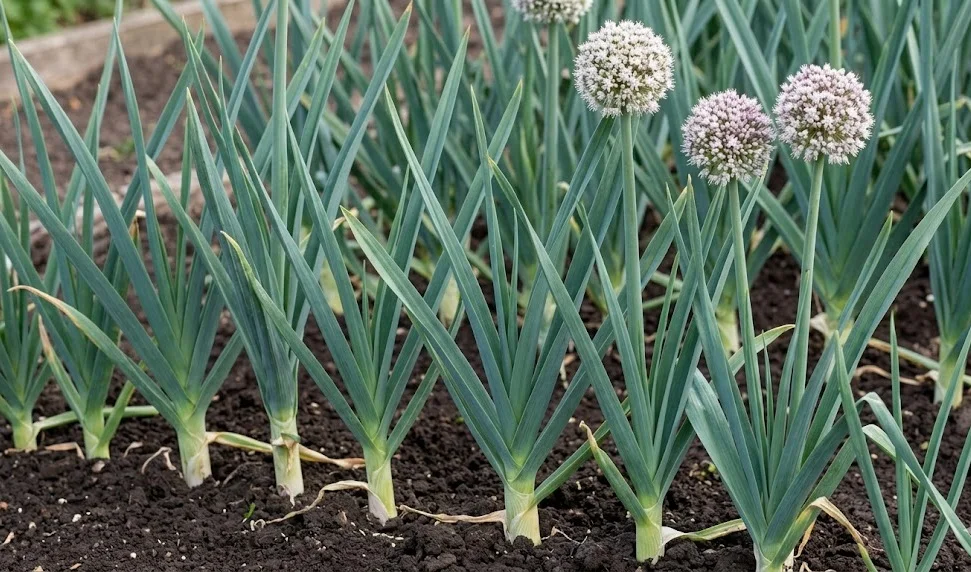
As the days begin to lengthen and the soil warms up in late winter, the overwintered plants will begin to show new growth. This early spring growth is often very tender and flavorful, providing some of the first fresh greens of the new season. However, it is important to monitor these plants closely as they will soon begin the process of “bolting” or flowering. A professional grower knows that once the flower stalk begins to form, the quality of the vegetable will rapidly decline.
Bolting is the plant’s natural response to the increasing day length and the change in temperature after the winter chill. The center of the stalk will become hard and woody as it prepares to support the large, round flower head. To get the most out of the crop, it is best to harvest the remaining plants before the flower stalk becomes prominent. Any plants left in the ground after this point are usually reserved for seed production rather than for consumption.
If you choose to let some plants flower, they can provide a beautiful addition to the garden and a valuable food source for pollinators. The large, globe-shaped flower heads are very attractive to bees and beneficial insects in the early spring. Saving seeds from your best overwintered plants is a great way to develop a strain that is perfectly adapted to your local winter conditions. This practice is a traditional part of professional seed saving and plant breeding.
The transition from the winter harvest to the new spring planting marks the completion of the annual cycle. The lessons learned during the overwintering process can be used to improve the strategy for the following year. Professional gardening is a process of continuous learning and adaptation to the rhythms of the seasons. Successfully overwintering a crop is a significant achievement that demonstrates a high level of horticultural expertise.