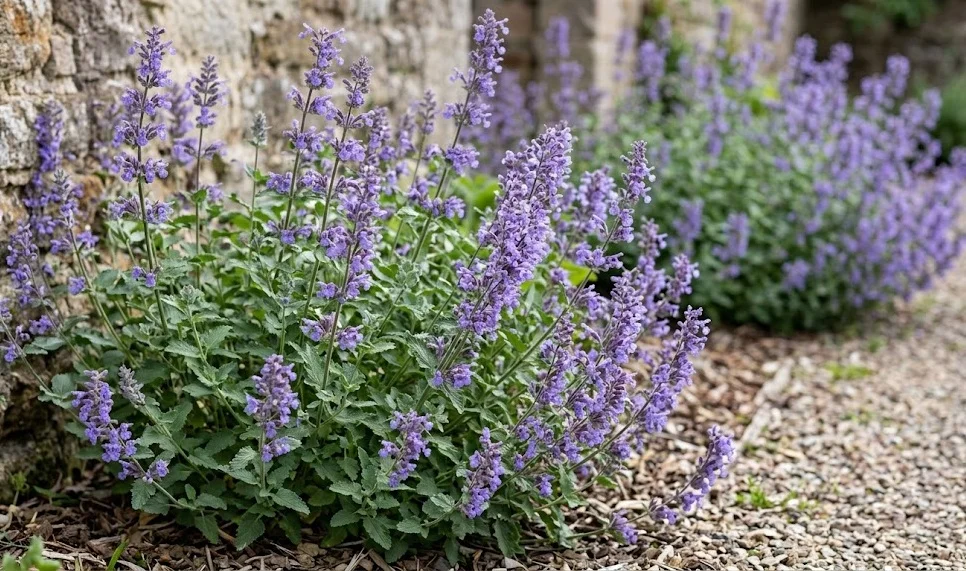

Garden catmint is a remarkably versatile perennial that brings both beauty and utility to any landscape design. Understanding its fundamental needs is the first step toward achieving a garden filled with aromatic foliage and soft lavender blooms. This plant is celebrated for its hardy nature and its ability to thrive in various conditions with minimal intervention from the grower. By providing the right environment from the start, you can ensure a long-lasting and vibrant display throughout the warmer months.
Establishing the right environment
Finding the perfect spot in your garden is crucial for the long-term health of these lavender-hued perennials. They generally prefer locations where the soil allows for excellent drainage, as they do not tolerate sitting in water for extended periods. You should observe your garden throughout the day to identify areas that receive a significant amount of direct sunlight. While they can adapt to slightly different conditions, starting them in an ideal location reduces future maintenance needs significantly.
Soil quality plays a vital role in how the plant establishes its root system during the first growing season. You do not need highly fertile soil, as overly rich earth can actually lead to leggy and weak growth. Instead, focus on a medium that is somewhat gritty or sandy to mimic their natural Mediterranean-style habitats. If your garden has heavy clay, consider amending it with organic matter or fine gravel to improve the internal structure.
Air circulation is another professional consideration that many amateur gardeners often overlook when placing their plants. Good airflow prevents the accumulation of moisture on the leaves, which can lead to various fungal issues in humid climates. When you space your plants, ensure there is enough room for them to reach their full mature width without crowding their neighbors. This foresight creates a healthier microclimate that benefits the entire garden ecosystem and reduces pest pressure.
Preparing the site involves clearing away aggressive weeds that might compete with the young catmint for essential nutrients. You should dig a hole that is twice as wide as the root ball to allow the roots to spread easily into the surrounding soil. This initial preparation allows the plant to anchor itself firmly before the heat of summer arrives. A well-prepared site is the foundation of a professional-looking garden that requires less work over the coming years.
More articles on this topic
Seasonal maintenance routines
Caring for this plant changes slightly as the seasons progress, requiring different levels of attention from spring through autumn. In the early spring, your primary focus should be on clearing away any dead foliage from the previous year to make room for new shoots. This process helps the soil warm up faster and allows you to inspect the crown for any signs of winter damage. As the first green tips emerge, you can start your regular observation routine to monitor growth rates.
Mid-summer often brings a peak in flowering, which is the time when the plant looks its most spectacular in the border. To maintain this aesthetic, many gardeners choose to perform a light shearing after the first flush of flowers begins to fade. This practice not only keeps the plant tidy but also encourages a second wave of blooms later in the season. It is a simple technique that yields high rewards for the visual impact of your outdoor space.
As autumn approaches, the growth rate will naturally slow down as the plant prepares for its dormant phase. You can choose to leave the spent foliage standing to provide some winter interest and protection for the crown against extreme frosts. However, if you prefer a cleaner look, cutting the stems back to a few inches above the ground is also a viable professional option. The choice often depends on your local climate and your personal preference for winter garden aesthetics.
Winter care is mostly hands-off, but it remains an important part of the overall cycle for a perennial gardener. During periods of extreme cold without snow cover, a light layer of mulch can help stabilize soil temperatures around the roots. You should avoid heavy, wet mulches that could hold too much moisture against the base of the plant during the thaw. Monitoring the site for drainage issues during winter rains ensures the plant survives to sprout again in the spring.
More articles on this topic
Managing growth and habit
Garden catmint is known for its sprawling habit, which can be managed to fit the specific needs of your landscape. If you prefer a more compact and mounded appearance, you can pinch back the stems early in the growing season. This encourages the plant to branch out lower down, resulting in a denser and more robust structure. It is an effective way to keep the plants from spilling too far onto walkways or over smaller neighboring species.
The size of the plant can vary significantly depending on the specific cultivar you have chosen for your garden. Some varieties remain quite small and tidy, while others can reach a height and width of several feet in just a few years. You should always research the eventual dimensions of your chosen plant to avoid having to move it later. Proper placement based on size ensures that the garden remains balanced and visually harmonious as it matures.
In some cases, older plants may begin to die out in the center, which is a sign that they need rejuvenation. This typically happens every three to four years and can be easily fixed by dividing the clump in early spring. By lifting the plant and separating the younger, outer sections, you can replant them to start fresh, vigorous growth. This professional technique keeps your catmint looking its best and provides you with extra plants for other areas.
Supporting the stems is rarely necessary for catmint if they are grown in full sun and lean soil. However, if they are in too much shade or the soil is too rich, the stems might become floppy and lean outward. If this happens, you can use low-profile ring supports or simply prune them back more aggressively to strengthen the base. Keeping the habit under control ensures that the silver-green foliage remains an asset rather than an overgrown mess.
Nutrient requirements and soil health
One of the greatest advantages of this perennial is its ability to thrive in soils that many other plants find challenging. You will find that catmint actually performs better when it is not over-fertilized with high-nitrogen products. Excessive nutrients often lead to lush green leaves but very few flowers and a lack of the characteristic aromatic oils. Professional growers usually aim for a balanced, low-intensity approach to feeding their catmint collection.
If your soil is particularly poor, a thin layer of compost spread around the base in spring is usually all that is needed. This provides a slow release of organic matter that improves soil structure while offering a gentle nutrient boost. You should avoid placing compost directly against the stems to prevent any potential rot issues. This natural approach mimics the way nutrients are recycled in the plant’s native wild environments.
Monitoring the pH of your soil can be helpful, although catmint is generally quite adaptable to different levels. It tends to favor neutral to slightly alkaline conditions, which are common in many residential garden settings. If your soil is extremely acidic, you might consider a light application of lime to bring the pH into a more favorable range. However, this is rarely a requirement for success unless the soil conditions are truly extreme.
Long-term soil health is maintained by avoiding the use of heavy chemical fertilizers that can disrupt the microbial life in the earth. By encouraging a healthy soil ecosystem, you ensure that the plants have access to a wide range of micronutrients naturally. Healthy soil also improves the water-holding capacity while maintaining the drainage that these plants require. A holistic approach to soil management results in plants that are more resilient to environmental stresses.
Companion planting strategies
Choosing the right neighbors for your catmint can enhance both the visual appeal and the health of your garden. Its soft, hazy texture makes it an excellent companion for plants with bold foliage or structured forms. You can pair it with upright ornamental grasses to create a beautiful contrast in both color and movement. This layering effect is a hallmark of professional garden design that adds depth to any perennial border.
Roses are a classic companion for catmint because they share similar cultural requirements and look stunning together. The catmint helps to hide the “bare legs” of rose bushes while providing a complementary color palette. Furthermore, the aromatic foliage of catmint is often thought to help deter certain pests that might otherwise bother the roses. This functional beauty makes it a staple in traditional and modern rose gardens alike.
You should also consider planting catmint near vegetables or fruit trees to take advantage of its ability to attract pollinators. Bees and butterflies are drawn to the nectar-rich flowers in large numbers throughout the summer months. By bringing these beneficial insects into the garden, you can improve the yields of your edible crops. It is a simple way to create a more productive and ecologically diverse backyard environment.
When designing your borders, think about the color transitions throughout the growing season. The cool blues and purples of catmint provide a refreshing sight during the heat of mid-summer when other plants might look stressed. It acts as a perfect neutral backdrop for brighter perennials like rudbeckia or echinacea. Professional designers often use it as a “bridge” plant to connect different sections of a garden with its consistent color and form.
Understanding aromatic properties
The leaves of the garden catmint contain essential oils that give the plant its distinctive and pleasant fragrance. This scent is often described as a mix of mint and thyme, which adds a sensory dimension to your outdoor space. When you brush against the foliage or crush a leaf, the aroma is released into the air instantly. Many gardeners plant it along paths where this fragrance can be enjoyed frequently during daily walks.
While related to the common catnip that drives felines wild, this hybrid variety usually has a more subtle effect. Some cats will still be attracted to it, but it is generally less likely to be completely destroyed by their attention. If you have local cats, you might notice them occasionally sniffing or rubbing against the plants in your garden. This interaction is part of the charm of growing members of the Nepeta genus in a residential setting.
The essential oils also serve a protective purpose for the plant in its natural environment. These compounds can act as a natural deterrent for deer and rabbits, which often find the strong scent unappealing. This makes catmint an excellent choice for gardens where wildlife browsing is a significant challenge for other perennials. It allows you to maintain a beautiful landscape without constantly having to use chemical repellents or fencing.
You can harvest the stems and dry them to use in various home projects or potpourri blends. The best time to harvest for fragrance is just as the flowers are beginning to open when the oil concentration is at its peak. Hang the bundles in a cool, dark, and well-ventilated area until they are completely dry and brittle. This allows you to bring the essence of your summer garden indoors to enjoy throughout the winter months.
Long-term garden integration
As your garden matures, you will see how the catmint settles into its space and interacts with the changing environment. It is a reliable performer that returns year after year with increasing vigor and beauty. Unlike some short-lived perennials, a well-cared-for catmint can remain a focal point for many seasons. This longevity makes it a cost-effective and rewarding investment for any homeowner or professional landscaper.
You can use the plant’s natural tendency to spread as a way to create a low-maintenance groundcover in sunny areas. By planting several individuals in a group, you can form a dense mat that effectively suppresses most annual weeds. This reduces the amount of time you need to spend on maintenance while providing a clean, unified look. It is a professional solution for large slopes or border edges where regular weeding is difficult.
Adapting your care routine as the plant ages will ensure it continues to provide the best possible results. You might find that older clumps require a bit more attention to thinning or dividing to keep them healthy. Pay attention to how the surrounding plants grow and adjust the space for your catmint as needed. A garden is a living, breathing entity that requires occasional adjustments to maintain its aesthetic balance.
Finally, appreciate the way the garden catmint changes through the seasons and the years. Its transition from soft spring shoots to a sea of summer purple and finally to structural winter stems is a journey. Each stage offers something unique to the observer who takes the time to look closely at the details. This plant is truly a workhorse of the garden, providing consistent value with very little demand in return.