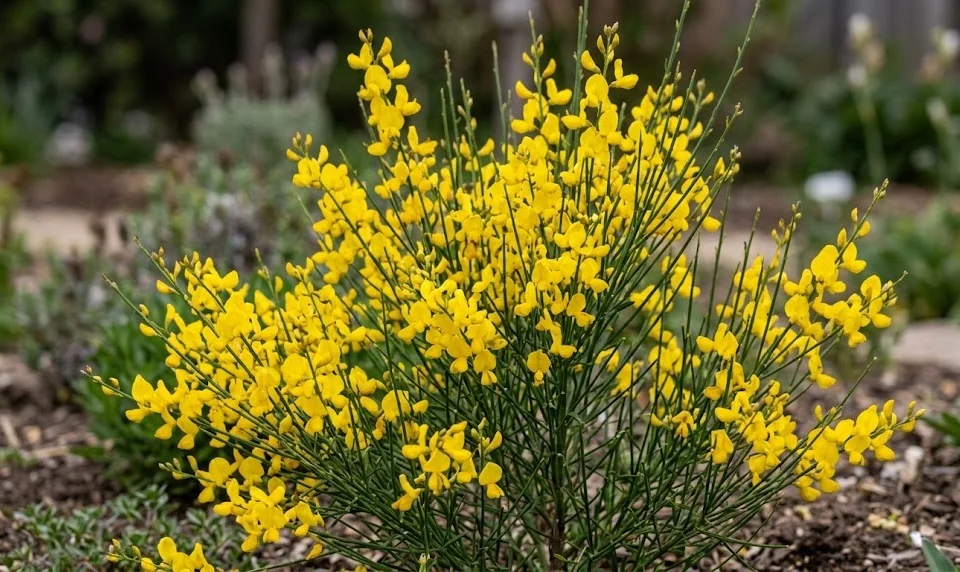

Maintaining a healthy stand of Spanish broom requires an understanding of its Mediterranean origins and its inherent resilience. These plants are remarkably self-sufficient once they have established their extensive root systems within the local soil profile. Gardeners often appreciate how these shrubs can thrive in conditions that would typically stress more delicate ornamental species. Providing the right foundation during the early years ensures a long-lived and vibrant display of golden blossoms.
The structural integrity of the plant depends heavily on the quality of light and the drainage capacity of the site. Stems can become leggy or weak if the shrub is forced to compete with aggressive neighboring vegetation for resources. It is essential to monitor the growth habit regularly to identify any signs of environmental stress or physical damage. A proactive approach to basic maintenance will prevent the most common issues associated with mature specimens.
Soil chemistry plays a subtle yet vital role in the overall vitality of the shrub over several seasons. While the species is famous for its ability to fix nitrogen, it still benefits from a balanced soil structure. Avoiding heavy clay or waterlogged areas is the most critical step in ensuring the long-term health of the roots. Observant growers will notice that the most vigorous plants are those situated in loose, rocky, or sandy substrates.
General care routines should be adjusted based on the specific microclimate of the cultivation area. Coastal regions provide the humidity and salt tolerance these plants naturally enjoy in their native habitats. Inland gardeners may need to provide more protection from extreme temperature fluctuations or drying winds. Understanding these local nuances allows for a more tailored and successful management strategy for each individual plant.
Essential soil conditions for vitality
Successful cultivation begins with selecting a site that offers exceptional drainage to prevent root rot. This shrub has evolved to survive in nutrient-poor soils where other plants often struggle to find a foothold. Attempting to improve the soil with too much organic matter can actually lead to excessive, weak vegetative growth. It is far better to allow the plant to adapt to the natural mineral composition of the existing landscape.
More articles on this topic
Compacted earth must be broken up thoroughly before introducing the root ball to the ground. Adding a small amount of grit or pea gravel to the planting hole can significantly enhance the aeration of the substrate. This ensures that oxygen reaches the roots even during periods of heavy rainfall or snowmelt. A well-aerated root zone is the primary defense against the most common physiological disorders of the species.
The pH level of the soil should ideally remain within the neutral to slightly alkaline range for optimal performance. While the plant shows some tolerance for acidic conditions, it rarely reaches its full potential in such environments. Soil testing can provide valuable insights into whether any minor amendments are necessary before the planting process begins. Consistent monitoring of soil health will yield a more resilient and aesthetically pleasing shrub over time.
Microbial activity within the soil also contributes to the plant’s ability to process essential minerals. Symbiotic relationships with certain soil bacteria allow the broom to thrive in nitrogen-deficient areas by extracting what it needs from the atmosphere. This natural efficiency makes it an excellent choice for land reclamation or stabilizing steep, eroded slopes. Maintaining a living soil environment is therefore more important than applying synthetic chemical interventions.
Seasonal maintenance and monitoring
Spring marks the beginning of the most active growth phase when the plant prepares for its spectacular floral display. During this time, it is important to clear away any debris that may have accumulated around the base of the shrub. Removing dead wood or broken branches allows the plant to direct its energy toward new, productive green stems. This early intervention sets the tone for a healthy and visually striking growing season.
More articles on this topic
As summer progresses, the focus shifts toward maintaining the structural balance of the bush under the weight of its blooms. High temperatures and intense sunlight are generally welcomed, but extreme heat can sometimes cause temporary wilting. Monitoring the plant for any signs of pest activity is also crucial during the warmer months when insects are most active. A quick visual inspection once a week is usually sufficient to catch any potential problems early.
Autumn is the ideal time to evaluate the overall growth achieved during the year and plan for the dormant period. The plant begins to slow its metabolic processes in response to shorter days and cooler evening temperatures. Reducing any supplemental care allows the tissues to harden off properly before the arrival of the first frost. This natural transition is a vital part of the life cycle and should not be interrupted by late-season fertilization.
Winter care is primarily about protection from physical damage caused by heavy snow or ice accumulation. The slender, upright stems can sometimes bend or snap under the weight of a sudden winter storm. If the shrub is located in a particularly exposed area, providing a temporary windbreak can prevent desiccation of the green bark. Respecting the plant’s need for a quiet rest period will ensure a vigorous return to growth in the following spring.
Environmental adaptability and resilience
One of the most impressive characteristics of this species is its ability to withstand prolonged periods of environmental neglect. It has developed specific physiological adaptations to conserve water and survive in harsh, sun-drenched landscapes. The reduced leaf surface area minimizes transpiration, allowing the green stems to handle most of the photosynthetic workload. This efficiency makes it a premier choice for sustainable landscaping and low-water gardening projects.
Salt spray and high winds are often detrimental to many garden plants, but this shrub handles them with ease. It is frequently used in seaside gardens where the soil is poor and the air is laden with moisture and salt. The flexible nature of the branches allows them to sway without breaking during intense coastal gales. This ruggedness is a testament to the evolutionary history of the plant in the Mediterranean basin.
Urban environments present their own set of challenges, including air pollution and restricted root zones. Spanish broom has shown a remarkable tolerance for poor air quality and the heat island effect common in cities. It can be planted near roadsides or in industrial areas where other ornamental shrubs might quickly decline. Its ability to colonize difficult spaces makes it an invaluable tool for urban greening initiatives.
Despite its toughness, the plant does have limits regarding extreme cold and permanent shade. It is not a candidate for deep woodland settings or regions with consistently waterlogged winter soils. Understanding these specific boundaries allows a gardener to place the plant where its natural resilience can truly shine. When situated correctly, it requires almost no intervention to maintain its health and vigor for many years.
Nutrient management and fixing nitrogen
The ability to fix atmospheric nitrogen sets this plant apart from the majority of other ornamental shrubs in the garden. Specialized nodules on the roots house beneficial bacteria that convert nitrogen gas into a usable form for the plant. This process not only feeds the broom itself but can also improve the fertility of the surrounding soil over time. Consequently, the need for external nitrogen fertilizers is virtually non-existent in most garden settings.
Over-fertilizing can lead to a variety of structural problems that compromise the long-term health of the shrub. Excessive nutrients often result in rapid, soft growth that is highly susceptible to aphid attacks and fungal diseases. The stems produced under high-nitrogen conditions are often too weak to support their own weight, leading to an unsightly splaying habit. Natural, slow-release minerals found in the existing soil are always the preferred source of nutrition.
Potassium and phosphorus are more important than nitrogen if a gardener feels the need to supplement the soil. These minerals support strong cell wall development and enhance the production of the iconic yellow flowers. A light application of bone meal or seaweed extract in early spring can be beneficial in exceptionally poor soils. However, such interventions should always be done sparingly and based on a clear need identified through observation.
Mulching is a gentle way to provide long-term nutrition while also protecting the root zone from temperature extremes. A thin layer of inorganic mulch, such as gravel or crushed stone, mimics the plant’s natural environment perfectly. Organic mulches should be used with caution as they can retain too much moisture against the stem, leading to rot. The goal of nutrient management is to support the plant’s natural efficiency rather than forcing artificial growth.
Promoting structural integrity and longevity
A well-maintained Spanish broom can live for several decades if it is encouraged to maintain a strong, woody base. Early training of young plants helps to establish a balanced framework of branches that can support future growth. Avoiding the temptation to let the plant grow too tall too quickly will result in a much sturdier specimen. Consistency in monitoring the plant’s shape is the key to preventing it from becoming overly top-heavy.
As the plant ages, the lower portions of the stems naturally become more woody and less productive. This is a normal part of the aging process, but it can be managed to extend the aesthetic life of the shrub. Selective removal of the oldest wood encourages the development of fresh, green shoots from the base of the plant. This renewal process keeps the shrub looking youthful and ensures a high density of flowers every year.
Physical support is rarely needed for plants that are grown in full sun and well-drained soil. If a plant begins to lean or sag, it is usually an indication of insufficient light or excessive irrigation. Staking should only be a temporary measure while the underlying environmental cause of the weakness is addressed. A healthy broom should be able to stand proudly on its own, resisting even strong winds through its natural flexibility.
Long-term survival is also linked to the prevention of overcrowding within the garden bed. Providing enough space for air to circulate freely around the entire plant reduces the risk of pest and disease outbreaks. It also ensures that every part of the shrub receives the sunlight it needs to maintain active photosynthesis. A thoughtful planting plan that accounts for the mature size of the shrub is essential for its ultimate success.
Common challenges and troubleshooting
Yellowing of the stems can be a sign of either nutrient deficiency or, more commonly, excessive soil moisture. If the discoloration is accompanied by a softening of the wood at the base, immediate action is required to improve drainage. Reducing watering frequency is often the first and most effective step in correcting physiological imbalances. If the soil is permanently damp, relocating the plant to a higher or sandier spot may be the only solution.
A lack of flowers is almost always a result of insufficient sunlight or improper pruning at the wrong time of year. Because this species blooms on the current year’s growth, pruning too late in the spring can remove the developing flower buds. Ensuring the plant receives at least six to eight hours of direct sun is non-negotiable for a good floral display. Checking the pruning schedule against the local climate will usually reveal why the plant is not performing as expected.
Dieback of individual branches can occur after an unusually harsh winter or a period of extreme drought. These dead sections should be removed promptly to prevent secondary infections from taking hold in the weakened wood. If the dieback is widespread, it may indicate a more serious issue with the root system or a soil-borne pathogen. In such cases, a thorough investigation of the site conditions is necessary to save the remaining parts of the plant.
Invasive tendencies can be a challenge in certain regions where the climate perfectly matches the plant’s native Mediterranean home. It is important to monitor for self-seeded saplings that may emerge in unintended areas of the garden or nearby wild spaces. Removing spent flower heads before they form mature seeds can help control the spread of the plant if this is a concern. Being a responsible gardener means enjoying the beauty of the species while managing its impact on the local ecosystem.