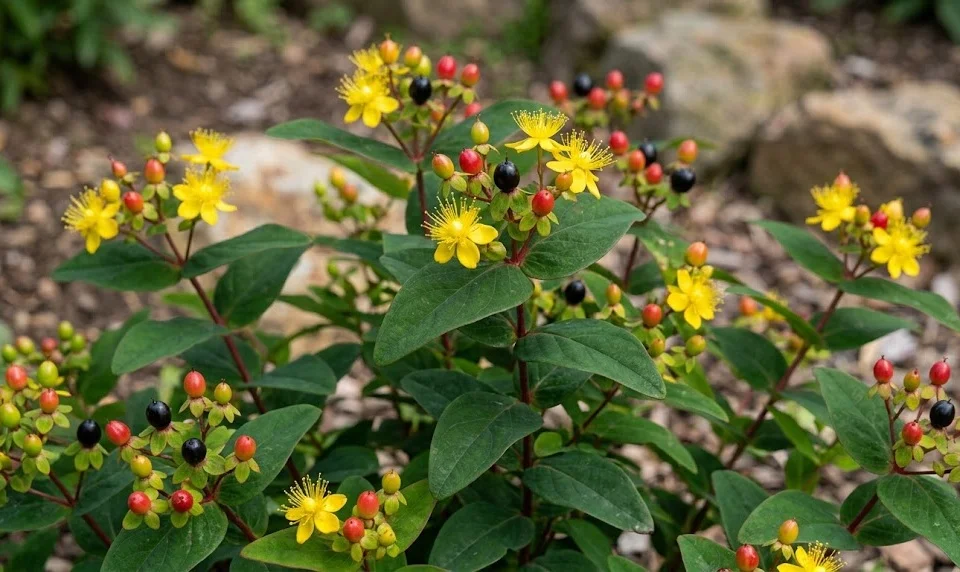

Managing the hydration and nutritional needs of this shrub is essential for maintaining its lush appearance and productive berry cycle. While the plant is relatively resilient, it performs best when it receives consistent attention to its basic metabolic requirements. The goal is to provide a steady supply of moisture and minerals without causing the stress of over-saturation. A thoughtful approach to these two aspects of care will result in a much more robust and beautiful garden specimen.
Establishing a watering schedule
The watering needs of this shrub change significantly depending on the age of the plant and the current season. Newly planted specimens require frequent watering to help their roots establish in the surrounding soil. You should check the ground every few days during the first growing season to ensure it never dries out completely. Once established, the plant becomes more drought-tolerant but still appreciates deep watering during long dry spells.
During the peak of summer, you should aim to water deeply once or twice a week rather than giving frequent light sprinkles. Deep watering encourages the roots to grow further down into the soil where it stays cooler and wetter. You should apply the water directly to the soil at the base of the plant to keep the leaves dry. This technique reduces the risk of fungal diseases and ensures the water reaches where it is needed most.
Morning is the ideal time for watering because it allows the plant to hydrate before the heat of the day arrives. Any water that accidentally gets on the foliage will have plenty of time to evaporate in the sunlight. You should avoid watering late in the evening, as damp leaves overnight can attract pests and promote mold. Following this natural rhythm helps the plant stay healthy and vigorous throughout the warmest months of the year.
The amount of water required will also depend on the type of soil in your garden and its drainage capacity. Sandy soils dry out very quickly and will need more frequent attention than moisture-retaining clay soils. You can use your finger to check the soil moisture levels about two inches below the surface. If the soil feels dry at that depth, it is definitely time to give your shrub a thorough drink.
More articles on this topic
Signs of water stress
Recognizing the early symptoms of water stress can prevent long-term damage to the health and beauty of the shrub. Wilting leaves are the most common sign that the plant is struggling to find enough moisture in the soil. You might notice that the foliage looks limp in the afternoon but recovers slightly as the temperature drops. If the leaves stay wilted overnight, the plant is in urgent need of a deep and thorough watering.
Chronic underwatering often leads to the browning of the leaf edges and a general lack of new growth. The plant may also drop its flowers or young berries prematurely as a way to conserve its internal resources. You should look for any signs of yellowing in the older leaves, which can also indicate moisture fluctuations. Consistent observation allows you to adjust your watering routine before these symptoms become severe or permanent.
Overwatering can be just as damaging as drought and often presents with different but equally worrying symptoms. If the leaves turn yellow and feel soft or mushy, the roots may be sitting in waterlogged soil. This lack of oxygen in the root zone can lead to root rot, which is very difficult to treat once it begins. You must ensure that your soil has adequate drainage to prevent this stagnant condition from developing.
A plant that is getting the right amount of water will have firm, vibrant leaves and a steady rate of growth. The berries will be plump and the flowers will last for their full expected duration on the stems. You should strive for a balance where the soil is moist to the touch but never muddy or soggy. Finding this sweet spot is the key to a flourishing and high-performing garden shrub in any climate.
More articles on this topic
Soil nutrients and fertilization
Providing the right nutrients is the second pillar of maintaining a healthy and productive tutsan shrub in your landscape. While it can grow in average soil, a regular feeding program will significantly improve the quality of the berries. You should focus on balanced fertilizers that provide nitrogen for leaves, phosphorus for roots, and potassium for fruit. This comprehensive approach ensures that every part of the plant has the building blocks it needs.
Spring is the primary time for applying fertilizer as the plant wakes up from its winter dormancy. You should apply a slow-release granular feed around the base of the shrub just as the new buds appear. This provides a steady supply of nutrients as the plant enters its most active phase of growth. Always follow the instructions on the package to avoid over-fertilizing, which can burn the sensitive young roots.
If the plant seems to be struggling or growing slowly, a liquid feed can provide a more immediate boost. You can apply this every few weeks during the early summer to support the flowering and fruiting process. Liquid fertilizers are absorbed quickly by the roots and can help correct minor nutrient deficiencies in a short time. This supplemental feeding is especially useful for plants growing in containers or very poor soil.
You should always water the plant before and after applying any type of concentrated fertilizer to the soil. This prevents the chemicals from sitting directly against the roots and causing damage through dehydration. Moist soil also helps distribute the nutrients more evenly throughout the root zone for better overall absorption. Proper application technique is just as important as the type of fertilizer you choose to use in your garden.
Organic versus synthetic options
Many gardeners prefer organic fertilizers because they improve the long-term health and structure of the soil. Materials like well-rotted manure, garden compost, or seaweed extract provide a complex range of micronutrients. These organic options also encourage beneficial microbial activity, which helps the plant’s roots take up food more efficiently. While they work more slowly than synthetics, the results are often more sustainable and environmentally friendly.
Synthetic fertilizers offer the advantage of precise nutrient ratios and very predictable results for specific growth goals. They are often easier to apply and can be targeted to solve specific problems like poor flowering or pale leaves. You can find specialized formulas that are designed for fruiting shrubs or woodland plants to get the best results. However, you must be careful not to rely solely on synthetics, as they do nothing to improve soil texture.
A combination of both organic and synthetic methods can often provide the best of both worlds for your garden. You can use organic compost as a base layer every year to maintain the quality and moisture of the soil. During the peak growing season, a small amount of synthetic fertilizer can provide that extra energy for berry production. This balanced strategy supports both the immediate needs of the plant and the future health of the ground.
Mulching with organic matter is perhaps the most effective way to fertilize and protect the plant at the same time. As the mulch breaks down, it slowly releases nutrients into the soil where the roots can easily find them. It also suppresses weeds and keeps the soil temperature stable, which reduces stress on the entire plant system. You should apply a fresh layer of mulch every spring to keep this cycle of health moving forward.
Seasonal adjustment for feeding
As the seasons change, the nutritional requirements of the shrub will naturally shift to match its growth cycle. You should stop all heavy fertilization by the late summer to allow the plant to prepare for winter. Encouraging new, soft growth late in the year can leave the plant vulnerable to damage from the first frosts. The goal is to let the existing wood harden off so it can survive the cold months ahead.
In autumn, you can focus on soil health rather than active plant feeding by adding a layer of leaf mold. This provides a gentle source of nutrients that will be ready for the plant when it wakes up in spring. Avoiding high-nitrogen fertilizers in the autumn is critical for maintaining the natural rhythm of the plant’s life cycle. This quiet period of the year is more about protection and preparation than it is about pushing for growth.
Winter is a time when the plant requires no fertilization at all because it is in a state of deep rest. Adding nutrients during this time is a waste of resources because the roots are not actively absorbing much food. You should let the plant follow its natural dormancy without trying to force any activity through chemical means. This rest phase is essential for the longevity and health of the shrub over many years.
When spring returns, you can begin the cycle again with a renewed focus on supporting the new season of growth. Every year is slightly different depending on the weather, so you should adjust your timing based on the plant’s behavior. Observing how the shrub responds to your feeding routine will help you refine your approach over time. Consistency and observation are the true secrets to success when it comes to watering and fertilizing.