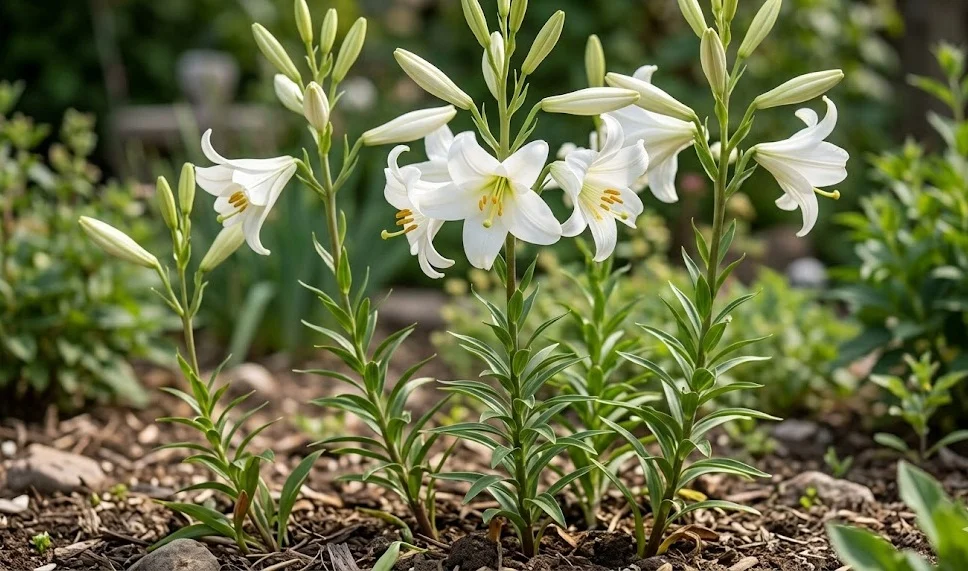

The relationship between the white lily and the sun is a fundamental aspect of its successful cultivation and aesthetic development. Originating from the sun-drenched regions of the Mediterranean, this species has evolved to thrive in bright, open environments. Understanding the nuances of light intensity, duration, and quality allows the professional gardener to position each bulb for maximum health and beauty. A thoughtful approach to light management ensures that the stems grow strong and the flowers reach their full fragrant potential.
Light serves as the primary energy source for the plant, driving the complex process of photosynthesis that builds the bulb’s reserves. Without adequate exposure, the lily may become leggy and weak as it stretches toward the nearest source of illumination. Professional growers prioritize sites that offer a minimum of six to eight hours of direct sunlight during the peak of the growing season. This high level of light exposure is essential for the production of the large, waxy petals that define the species.
However, the quality of light changes throughout the day, and the intense heat of the afternoon sun can sometimes be a challenge even for sun-loving plants. In particularly hot climates, providing a bit of filtered shade during the hottest hours can prevent the delicate flowers from scorching or fading prematurely. This balance between maximum light and heat protection is a hallmark of sophisticated garden design. Observing how the light moves across the landscape throughout the year is a critical step in the planning process.
The seasonal variation in light also plays a role in triggering the various stages of the lily’s life cycle. The increasing day length in the spring serves as a signal for the bulb to break dormancy and begin its upward growth. Similarly, the softening light of the late summer indicates that it is time to shift focus back to energy storage within the bulb. A professional gardener remains attuned to these subtle environmental cues and adjusts their care routine to match the plant’s natural rhythm.
Optimizing sunlight exposure in the garden
Selecting the perfect spot for a new lily bed requires a careful analysis of the garden’s light patterns during the spring and summer. A south-facing location is usually the most desirable as it receives the most consistent and intense light throughout the day. Avoiding the deep shadows cast by large trees or permanent structures is essential for maintaining the plant’s structural integrity. A well-lit environment results in a more compact and sturdy plant that is less likely to require artificial support.
More articles on this topic
In gardens where space is limited, the use of reflective surfaces can help increase the amount of light reaching the plants. Light-colored walls or strategically placed garden mirrors can bounce extra sunlight into darker corners, creating a better environment for the lilies. This professional trick can be particularly useful in urban settings where buildings may obstruct the direct path of the sun. Even a small increase in light levels can have a noticeable impact on the vibrancy of the blooms.
The concept of “cool roots, warm head” is a classic professional guideline for growing many types of lilies, including the white variety. This involves ensuring the tall stems and flowers are in full sun while the base of the plant and the soil are kept cool. Planting low-growing companion species or using a thick layer of organic mulch can provide the necessary shade for the root zone. this strategic use of shadows and light creates the ideal microclimate for the lily to flourish.
Phototropism, the tendency of a plant to grow toward a light source, can cause lilies to lean if the light is significantly stronger from one direction. In professional landscapes, this is managed by ensuring that the light is as even as possible or by providing early structural support. Rotating container-grown lilies regularly is a simple but effective way to ensure they grow straight and symmetrical. Understanding the plant’s physical response to light allows for more proactive and effective management.
Managing light quality and intensity
The intensity of the sun can vary significantly depending on the local altitude and the clarity of the atmosphere. In high-altitude regions, the UV radiation is much stronger, which can sometimes lead to localized tissue damage on the leaves or petals. Providing a light overhead screen or utilizing the natural filtered light of a nearby deciduous tree can offer some protection. A professional approach involves adapting these general guidelines to the specific challenges of the local microclimate.
More articles on this topic
Light quality also refers to the spectrum of light reaching the plant, which can be affected by nearby vegetation or structures. For example, light filtered through a dense green canopy is rich in far-red wavelengths, which can trigger a “shade avoidance” response in the lily. This often results in the plant growing taller and thinner than it would in an open field. Maintaining a clear area around the lily patch ensures that it receives the full, balanced spectrum of natural sunlight.
Cloudy or overcast days also play a role in the plant’s development, as they provide a softer, more diffused light that is less stressful for the tissues. During these periods, the rate of transpiration is lower, allowing the plant to focus more on internal metabolic processes. Some professional photographers even prefer these conditions for capturing the true color and texture of the white lily petals. A garden that looks beautiful in all types of light is the sign of a truly expert design.
Ultimately, the goal of light management is to provide a stable and productive environment that supports the plant’s natural beauty. A lily that receives the correct amount of light will have a natural luster and a presence that is impossible to ignore. Sharing your observations about how different light levels affect your lilies can help other gardeners achieve similar success. The interaction between light and life is one of the most fascinating aspects of the horticultural profession.
Responding to light-related stress
If a lily is not receiving enough light, it will often show clear signs of distress that the professional gardener can quickly identify. The most common symptom is a weak, spindly stem that struggles to support the weight of the developing flower buds. The foliage may also become a paler shade of green, indicating a lower concentration of chlorophyll for photosynthesis. Relocating the plant to a brighter spot is often the only long-term solution for these light-starved specimens.
On the other hand, excessive light intensity combined with high temperatures can lead to “leaf scorch,” where the edges of the leaves turn brown and brittle. This is a sign that the plant is losing moisture faster than it can be replaced by the roots, a situation that requires immediate attention. Increasing the watering frequency and providing some temporary afternoon shade can help the plant recover from this environmental stress. Monitoring the plant’s reaction to these changes allows for a more refined and effective care plan.
Seasonal changes in the angle of the sun can also create unexpected shadows in the garden as the summer progresses. A spot that was in full sun in the early spring might be shaded by a growing hedge or a leafing tree by June. Regularly assessing the light levels throughout the season ensures that the lilies continue to receive the environment they need to succeed. Being prepared to make small adjustments to the surrounding vegetation keeps the garden in perfect balance.
The beauty of the white lily is most apparent when it is displayed in the golden light of the early morning or late afternoon. This directional light highlights the waxy texture of the petals and enhances the plant’s overall silhouette. Professional garden design takes these aesthetic considerations into account, positioning the lilies where they can be best enjoyed during these times. A well-placed lily is a masterpiece of both nature and horticultural skill.