
Establishing a consistent maintenance routine for these ornamental grasses ensures their longevity and aesthetic appeal in any landscape. You should begin by observing the plant’s growth habits during the early spring when the first green shoots appear. Understanding the specific needs of your garden’s microclimate allows you to tailor your approach to the local weather patterns. A proactive gardener always looks for signs of stress before they become significant issues that could compromise the plant’s health.
Essential maintenance foundations
The general health of your grass depends significantly on how well you manage its environment during the peak growing months. You should check the base of the plant regularly to ensure that air circulation remains adequate as the foliage becomes denser. This density can sometimes trap moisture, leading to internal rotting if the center of the clump is not monitored. Keeping the surrounding area clear of debris helps the plant focus its energy on producing high-quality plumes and sturdy stems.
When you notice the outer edges of the grass expanding too rapidly, it may be time to consider how this growth affects neighboring plants. Managing the footprint of the clump ensures that it remains an asset rather than an invasive element in your flower beds. You can use physical barriers if necessary, but manual monitoring is usually sufficient for most home gardeners. Consistency in these small tasks prevents the need for drastic interventions later in the season when the plant is at its largest.
Developing a seasonal calendar for your gardening tasks will help you stay on top of the unique requirements of this species. In the early summer, the focus shifts from growth support to maintaining the structural integrity of the tall stalks. You might find that taller varieties require some form of subtle staking if your garden is prone to high winds. This preventive measure keeps the display looking professional and prevents the grass from flopping over after heavy summer rains.
Visual inspections should include looking at the color and texture of the leaves to gauge the overall vigor of the specimen. Healthy leaves should have a distinct sheen and a consistent color profile typical of the specific cultivar you have chosen. Any sudden yellowing or browning during the active growth phase should be investigated as a sign of environmental or nutritional imbalance. By catching these signals early, you can adjust your care strategy to restore the plant to its full glory without much effort.
More articles on this topic
Soil and site management
The foundation of any successful gardening endeavor lies in the quality of the soil where your plants are anchored. You should regularly assess the compaction levels around the root zone to ensure that oxygen can reach the underground structures. If the soil becomes too hard, the roots may struggle to expand, which will eventually lead to stunted growth above the ground. Simple aeration techniques can be performed once a year to keep the soil structure open and welcoming for new root development.
Mulching is a highly effective way to regulate soil temperature and retain the moisture that these grasses crave during the heat of summer. You should apply a layer of organic material around the base of the plant, being careful not to touch the stems directly. This layer also serves as a barrier against weeds that might compete for the same nutrients and water sources. Over time, the mulch breaks down and contributes to the organic matter content of your garden soil.
Drainage is another critical factor that you must monitor, especially if your garden has a high clay content that tends to hold water. While these grasses enjoy moisture, they do not perform well in standing water that persists for several days after a storm. You can improve drainage by incorporating grit or well-rotted compost into the planting area before the season begins. A well-drained site ensures that the roots remain healthy and free from the threat of anaerobic conditions or fungal infections.
Periodic soil testing can provide valuable insights into the pH levels and nutrient availability in your specific garden location. Most ornamental grasses prefer a neutral to slightly acidic environment to thrive and display their best colors. If the tests reveal significant deficiencies, you can apply targeted amendments to create the ideal conditions for robust growth. This scientific approach removes the guesswork from your maintenance routine and leads to more predictable and satisfying results.
More articles on this topic
Growth cycle monitoring
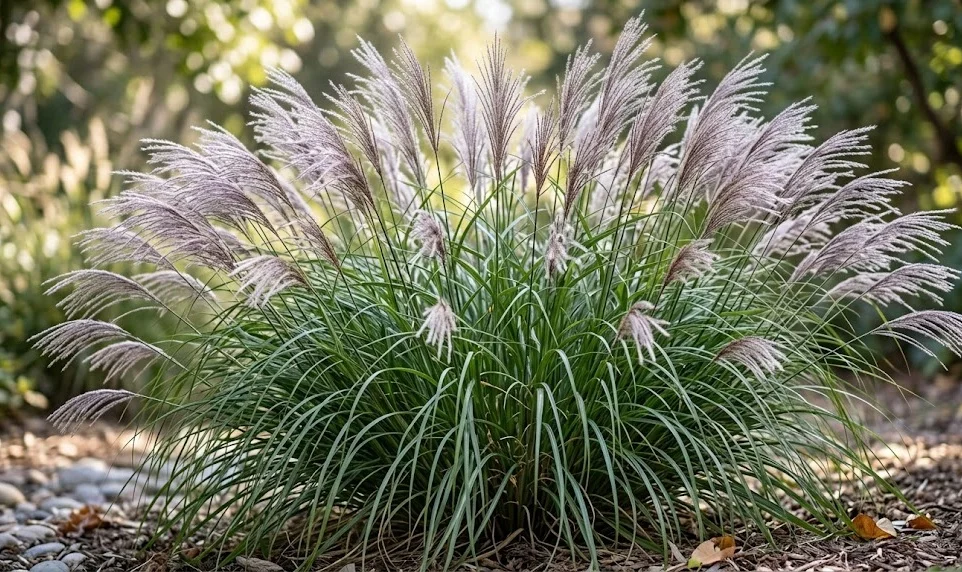
As the season progresses, you will see a remarkable transformation in the height and volume of your japanese silver grass. It is fascinating to watch how the plant responds to the increasing day length and warmer temperatures of late spring. You should record these milestones in a garden journal to help you predict future growth patterns and plan your landscape accordingly. This documentation becomes a valuable resource as you refine your gardening skills over several years of observation.
During the mid-summer transition, the plant begins to shift its energy from foliage production to the development of its iconic flower spikes. You will notice the center of the stalks thickening as the plumes begin to form deep within the protective leaf sheaths. This is a period of high energy consumption, so ensuring the plant has everything it needs is vital for a spectacular autumn show. Your attentiveness during this phase directly correlates to the quality of the flowers that will eventually emerge.
The late summer and early autumn represent the pinnacle of the plant’s visual contribution to the garden as the plumes fully expand. You should enjoy this phase while still keeping an eye out for any signs that the plant is becoming top-heavy. The weight of the flowers, combined with late-season storms, can put a lot of pressure on the root system if the soil is too soft. Monitoring the lean of the plant allows you to provide temporary support if a particularly stormy period is forecasted by local meteorologists.
As the weather cools, the grass begins its natural transition into dormancy, which is marked by a beautiful change in foliage color. You should observe how the greens turn into shades of gold, orange, or even deep burgundy depending on the cultivar. This period is not a sign of failure but a necessary part of the plant’s survival strategy for the coming winter. Understanding this biological clock helps you appreciate the year-round interest that these plants bring to your outdoor space.
Structural integrity and support
Tall ornamental grasses are often celebrated for their architectural presence, but maintaining that structure requires some effort. You should observe how the wind moves through the foliage to determine if the plant is situated in a location that provides enough protection. If the grass is constantly buffeted by strong gusts, it may develop a permanent lean that detracts from its intended form. Strategic planting near fences or hardier shrubs can provide the necessary windbreak to keep your grass standing tall.
In situations where the plant becomes exceptionally tall, you might consider using internal support rings that are hidden by the outer leaves. These devices help hold the center of the clump together, preventing it from splaying outward during heavy downpours. You should install these supports early in the season so the plant can grow through them naturally and hide the hardware completely. This invisible assistance ensures that the plant maintains a neat and tidy appearance throughout the most challenging weather.
If you find that your grass is consistently falling over every year, it may be a sign that it is receiving too much nitrogen. Excessive fertilization can lead to rapid, weak growth that lacks the cellular strength to support its own weight. You should adjust your feeding schedule to emphasize steady, strong growth rather than sheer speed and volume. A leaner approach to nutrition often results in a more resilient and upright plant that can withstand environmental pressures.
The density of the clump also plays a role in how well the plant stands up to the elements over time. Older clumps that have become hollow in the center are more prone to collapsing because they lack the central structural core of a younger plant. You should monitor the center of the grass for signs of thinning or die-back, which indicates that the plant needs rejuvenation. Addressing these structural issues before they become severe ensures that your landscape remains aesthetically pleasing and professionally maintained.
Environmental stress management
Gardening is often a battle against unpredictable weather, and your ornamental grasses are no exception to this rule. You should be prepared to provide extra care during periods of extreme heat or unexpected drought that can scorch the leaves. Even though these plants are generally hardy, they can suffer if the temperature remains high for extended periods without relief. Providing temporary shade or increasing the frequency of your checks can help the plant survive these stressful windows of time.
Sudden drops in temperature during the early spring can also pose a threat to the tender new shoots that are just emerging. You should keep some frost blankets or light burlap nearby to cover the plants if a late-season frost is predicted in your area. This simple precaution protects the growing tips and prevents the unsightly browning that can occur when ice crystals damage the cells. A little bit of foresight goes a long way in preserving the early-season beauty of your ornamental grass.
Pollution and salt spray are other environmental factors that you might need to consider if your garden is near a busy road. You should rinse the foliage occasionally with clean water to remove any deposits that might interfere with the plant’s ability to breathe. These residues can clog the tiny pores on the leaves and lead to a decline in overall vigor over several months. This quick task is especially important in the spring after the winter salt has been cleared from the nearby streets.
Understanding the limits of your specific cultivar is essential for managing its expectations in your garden’s unique environment. You should research the cold hardiness and heat tolerance of the variety you have chosen to ensure it is a good match. If you find that the plant is struggling despite your best efforts, it might be due to a mismatch between its needs and your local climate. Adapting your garden to include plants that are well-suited to your zone is the hallmark of a wise and experienced gardener.
Aesthetic grooming techniques
Maintaining the visual appeal of your japanese silver grass involves more than just keeping it alive and healthy. You should regularly remove any dead or damaged leaves that can appear throughout the growing season due to mechanical damage. These small blemishes can be easily snipped away with a pair of clean garden shears to maintain a pristine look. Taking a few minutes each week for this light grooming keeps the plant looking its best without requiring a major time commitment.
As the flower plumes begin to fade and lose their luster, you can decide whether to leave them for winter interest or remove them. Many gardeners enjoy the way the dried plumes catch the frost and provide movement in the winter landscape. However, if they become messy or begin to shatter, you may prefer to prune them back to maintain a cleaner aesthetic. This decision is entirely personal and depends on the specific style and goals you have for your outdoor space.
Cleaning the base of the plant is another important aspect of aesthetic maintenance that often goes overlooked by beginners. You should remove any fallen leaves or twigs that get caught in the dense stems of the grass to prevent a cluttered appearance. This also improves airflow and reduces the chances of pests finding a cozy place to hide during the summer months. A clean base makes the entire plant look more intentional and well-cared for within the context of the garden.
If the leaves of your grass have variegated patterns, you should keep an eye out for any “reversion” to solid green foliage. You should prune out any stems that display completely green leaves to prevent them from overtaking the variegated portions of the plant. These green shoots are often more vigorous than their patterned counterparts and can eventually change the look of the entire specimen. Consistent monitoring and quick action will preserve the unique characteristics of your chosen cultivar for years.
Long-term health and rejuvenation
To ensure that your ornamental grass remains a vibrant part of your garden for decades, you must plan for its long-term needs. Every few years, you should consider whether the plant has outgrown its space or if it is beginning to show signs of age. Rejuvenation is a natural part of the gardening cycle and helps maintain the vitality of even the hardiest species. By staying ahead of the aging process, you can keep your landscape looking fresh and energetic rather than overgrown and tired.
Dividing the clumps is the most common method of rejuvenation and should be performed when the center of the plant starts to thin out. You should plan this task for the early spring before the new growth has reached more than a few inches in height. Digging up the entire root ball and splitting it into smaller, healthy sections allows you to replant the most vigorous parts. This process not only saves the original plant but also provides you with free specimens to use elsewhere in your garden.
Keeping track of the age of each plant in your garden helps you anticipate when they might need more intensive care or replacement. You should note the year each grass was planted and any significant changes in its growth habits that occur over time. Some varieties may be shorter-lived than others, and knowing what to expect allows you to budget for new additions when the time comes. This level of planning is what separates a casual hobbyist from a truly professional gardener who manages a landscape.
Finally, always be open to learning new techniques and staying updated on the latest horticultural research regarding ornamental grasses. You should attend local garden club meetings or read specialized publications to see how other experts are managing their collections. Sharing experiences with fellow enthusiasts can provide you with new ideas for solving common maintenance challenges in your own backyard. Continuous learning ensures that your garden remains a place of growth, both for your plants and for your own skills as a gardener.