
The quality and quantity of light that your ornamental grasses receive are the most significant factors in determining their overall growth rate and aesthetic appeal. You should understand that these plants are essentially sun-loving organisms that have evolved to thrive in open, bright environments. Providing the correct light exposure ensures that the foliage remains sturdy and the iconic flower plumes develop to their full potential. Without enough light, even the most well-cared-for grass will struggle to reach its true ornamental beauty in your landscape.
Sun exposure and vigor
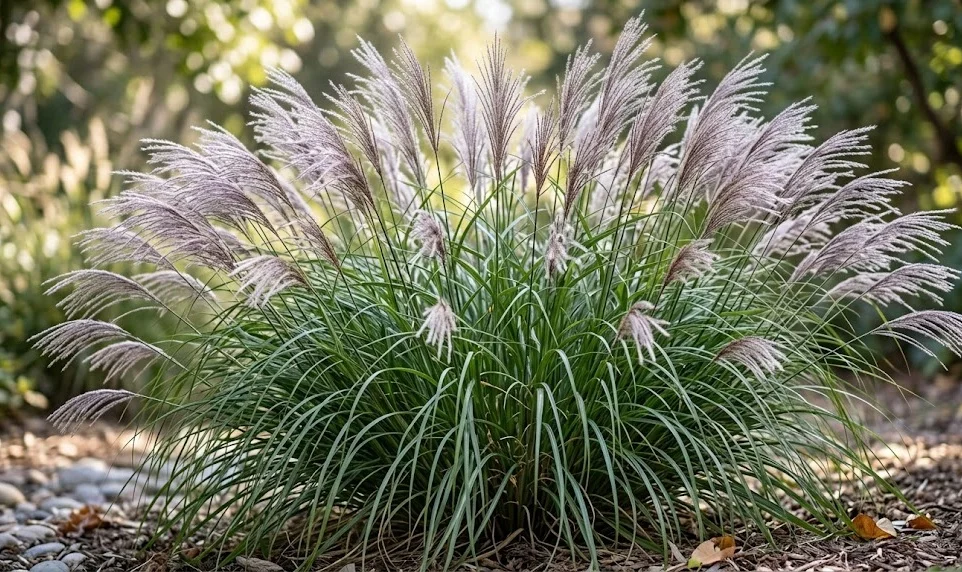
For the best results, you should place your japanese silver grass in a location that receives at least six to eight hours of direct sunlight every day. This high level of light is necessary to power the rapid photosynthesis that allows the plant to reach its impressive height in a single season. Full sun exposure also helps the stems develop the structural strength they need to stand upright without the need for artificial support. You will find that plants grown in full sun have a much more compact and tidy habit than those grown in the shadows.
In addition to height and strength, sunlight is the primary driver of the vibrant leaf colors and patterns found in many popular cultivars. You should notice that variegated varieties, such as those with white or gold stripes, display much more distinct markings when they are bathed in bright light. In lower light conditions, the plant may produce more chlorophyll to compensate, which can cause the beautiful variegation to fade into a dull, solid green. If you want the most colorful display possible, finding the sunniest spot in your garden is the key to success.
The intensity of the light also plays a role in how the plant manages moisture and heat throughout the summer months. You should be aware that plants in full sun will naturally transpire more water and may need more frequent checks of the soil moisture. However, the benefits of the sun far outweigh the extra effort required for watering, as the plant will be much healthier and more resilient overall. A sun-drenched plant is also less likely to suffer from the fungal diseases that often plague grasses in damp, shaded corners.
If you are gardening in a northern climate with shorter growing seasons, maximizing sun exposure is even more critical for success. You should place your plants on south-facing slopes or near heat-absorbing surfaces like stone walls to give them every possible advantage. These microclimates can provide the extra warmth and light needed to ensure the plumes have time to fully develop before the first autumn frost. Thinking strategically about light placement allows you to grow spectacular specimens even in less-than-ideal geographic locations.
More articles on this topic
Growth in shaded conditions
While these grasses are classified as sun-loving, some varieties can tolerate a small amount of light shade, especially in the hottest parts of the afternoon. You should observe how the light moves through your garden during the day to identify areas of “dappled shade” that might be suitable for more shade-tolerant cultivars. However, you should be prepared for some changes in the plant’s appearance if it is not receiving full, direct sun for the majority of the day. A bit of shade can sometimes be a relief in very hot climates, but too much will quickly lead to problems.
In significant shade, the most common issue you will face is “flopping,” where the stems become weak and elongated as they reach toward the light. You should monitor the plant’s posture and be ready to provide staking if it begins to lean excessively or splay outward. This leggy growth is a clear signal from the plant that it is not receiving enough energy from its environment to support its own weight. If you find your grass is consistently falling over in a shaded spot, it may be time to consider moving it to a sunnier location.
Flowering is another aspect of the plant’s life cycle that is heavily impacted by the amount of shade it receives throughout the season. You should expect fewer and less dramatic plumes if the plant is grown in a location that is too dark for its needs. In some cases, the plant may fail to flower altogether, depriving you of the most spectacular part of its ornamental contribution to the garden. If the plumes are a priority for your landscape design, full sun is non-negotiable for achieving the best results.
If you must plant in an area with less than ideal light, you should choose a variety that is specifically noted for its shade tolerance by the breeder. Some smaller or more green-heavy cultivars tend to handle lower light levels better than the tall, highly variegated types. You should also be extra careful with your watering and fertilization in the shade, as the plant’s metabolism will be slower and it won’t use resources as quickly. Adapting your care routine to the light levels of your site is a sign of a thoughtful and experienced gardener.
More articles on this topic
Impact on flowering and color
The arrival of the flower plumes in the late summer is the reward for providing the right amount of light during the spring and early summer. You should understand that the plant “counts” the hours of daylight to determine when it is time to shift its energy from leaves to flowers. A plant that is shaded for part of the day may receive mixed signals, leading to delayed or uneven blooming that can be disappointing. Consistency in light exposure ensures that the entire clump flowers at the same time for a more professional and impactful display.
The color of the flowers themselves can also be influenced by the intensity of the sun they receive as they are forming. You should notice that the reds, pinks, and silvers of the plumes are much more intense and shimmering in the bright, direct light of an open field. In more shaded areas, the colors can appear muted or muddy, losing the translucent quality that makes them so attractive when backlit by the sun. Planning your garden so the low autumn sun can hit the plumes is a fantastic way to highlight their beauty.
As the season ends, the light quality changes, and the foliage begins to take on its winter colors of bronze, orange, and tan. You should observe how the drying leaves catch the low-angled light of the winter sun, providing a warm and glowing presence in the landscape. This “winter interest” is only possible if the plant has grown sturdy and healthy during the summer thanks to adequate sun exposure. A well-lit plant maintains its structural integrity even as it dries, standing tall against the winter sky for you to enjoy.
Ultimately, your goal is to find the perfect balance between the light available in your garden and the specific needs of your chosen grass variety. You should not be afraid to experiment and move plants if you feel they are not performing at their best in their current location. Gardening is a constant process of observation and adjustment, and light is one of the most powerful tools you have at your disposal. By paying close attention to the sun, you can create a stunning and vibrant landscape that thrives for many years to come.