
Properly managing the resources of water and nutrients is essential for achieving the dramatic height and lush texture associated with top-tier ornamental grasses. While these plants are known for their resilience, a tailored approach to hydration and feeding will significantly enhance their visual performance throughout the year. You should aim to balance the needs of the plant with the environmental conditions of your specific garden to avoid over-stressing the root system. A well-fed and hydrated grass is not only more beautiful but also much more capable of resisting pests and environmental challenges.
Establishing hydration protocols
The watering needs of your japanese silver grass change significantly as the plant moves through its annual growth cycle. You should provide deep and thorough watering sessions rather than frequent, shallow sprays that only dampen the surface. Deep watering encourages the roots to grow further down into the soil, where moisture levels are more stable and temperatures are cooler. This creates a much more drought-tolerant plant that can survive long periods of dry weather without showing signs of distress.
In the early spring, when the plant is just starting to wake up, you should ensure that the soil remains consistently moist but never waterlogged. As the temperature rises and the foliage expands, the plant’s demand for water will increase proportionally to its leaf surface area. You should pay close attention to the weather forecast and supplement natural rainfall during particularly dry spells in the late spring and early summer. Observation of the leaf tips can often tell you if the plant is thirsty, as they may begin to curl or turn brown.
During the heat of mid-summer, evaporation rates are at their highest, and your grass may need more frequent attention to stay vibrant. You should try to water in the early morning hours to minimize water loss through evaporation and to allow the foliage to dry before nightfall. Watering in the evening can sometimes create a humid environment around the base of the plant that encourages fungal growth. A consistent morning routine ensures that the plant has the hydration it needs to withstand the strongest sun of the day.
As autumn approaches and the plant begins to transition toward dormancy, you should gradually reduce the frequency of your watering. The plant’s metabolic processes are slowing down, and it no longer requires the high volume of water needed for active growth and flowering. However, you should still ensure that the soil does not dry out completely before the ground freezes for the winter. Maintaining a baseline level of moisture helps protect the dormant root system from the desiccating effects of cold winter winds.
More articles on this topic
Adapting to extreme weather
Extreme weather events like heatwaves or prolonged droughts require you to adjust your standard watering practices to protect your plants. You should consider using a soaker hose or a drip irrigation system to deliver water directly to the base of the plant where it is needed most. These methods are much more efficient than overhead sprinklers and help keep the foliage dry, which reduces the risk of disease. During a heatwave, you might need to check the soil moisture twice a day to ensure the plant isn’t reaching a critical wilting point.
If you are facing water restrictions or live in an area with naturally low rainfall, you can take steps to maximize every drop you use. You should maintain a thick layer of organic mulch around the plants to prevent the sun from drying out the surface of the soil. This mulch acts as an insulating blanket that keeps the roots cool and holds moisture in the ground for much longer periods. Additionally, choosing a variety of grass that is specifically known for its drought tolerance can make your gardening life much easier.
Heavy rains can also pose a challenge, especially if your soil does not drain quickly enough to handle the volume of water. You should monitor the area after a storm to ensure that there is no standing water sitting around the crown of the grass for more than a few hours. If you notice persistent puddles, you may need to improve the drainage in that area or consider moving the plant to a higher spot. Excess water can drown the roots by cutting off their oxygen supply, which is just as dangerous as a severe drought.
In very windy locations, the drying effect of the air can be just as significant as the heat of the sun on the plant’s hydration. You should be aware that wind increases the rate of transpiration, meaning the plant loses water through its leaves much faster than usual. Providing a windbreak or increasing your watering frequency during windy periods can help counteract this effect and keep the foliage looking fresh. A little bit of environmental awareness allows you to stay one step ahead of the weather and keep your garden thriving.
More articles on this topic
Understanding nutrient needs
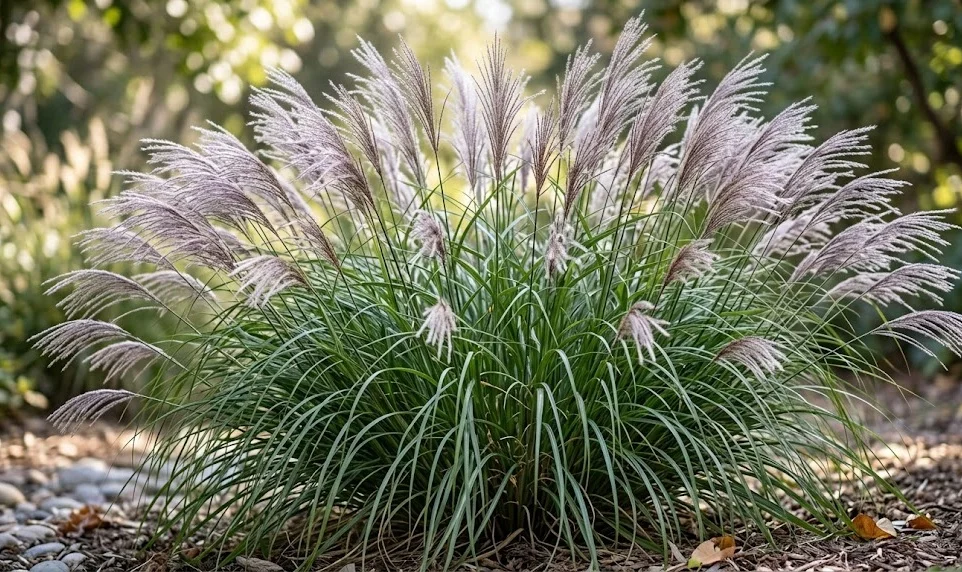
Providing the right nutrients at the right time is the key to achieving the spectacular plumes and sturdy stalks that define this species. You should avoid over-fertilizing, especially with high-nitrogen products that can cause the plant to grow too fast and become structurally weak. A balanced, slow-release fertilizer is usually the best choice for ornamental grasses, as it provides a steady stream of nutrients over several months. This approach mimics the natural way plants receive nutrients in the wild and leads to much healthier long-term growth.
The primary feeding should take place in the early spring, just as you see the first signs of green growth emerging from the ground. You should apply the fertilizer around the base of the plant, following the instructions on the package to ensure you are using the correct amount. Incorporating the fertilizer into the top inch of soil and watering it in thoroughly helps the nutrients reach the root zone where they can be absorbed. This early boost provides the energy needed for the plant to build its large structural framework for the season.
If your soil is naturally rich in organic matter, you may find that your grasses require very little supplemental fertilization at all. You should observe the growth of your plants over the first year to see how they perform without any extra help from chemical products. If they are reaching their expected height and producing plenty of flowers, then your soil is likely providing everything they need. In many cases, adding a fresh layer of compost each spring is more than enough to maintain the health and beauty of the plant.
Be careful not to fertilize too late in the season, as this can encourage new growth that won’t have time to harden off before the winter. You should stop all feeding by mid-summer to allow the plant to focus on its flowering stage and subsequent preparation for dormancy. Forcing a plant to grow late into the year makes it much more susceptible to frost damage and can weaken its overall health. A natural cycle of feeding and resting is the most sustainable way to manage the nutrition of your ornamental grasses.
Application techniques and timing
The way you apply fertilizer is just as important as the type of product you choose to use in your garden. You should always ensure that the soil is moist before applying any concentrated nutrients to avoid the risk of burning the delicate roots. After application, you should water the area again to help distribute the fertilizer and move it down into the root zone. This “watering in” process is a critical step that ensures the nutrients are actually available for the plant to use.
If you prefer organic gardening methods, there are many excellent options for feeding your japanese silver grass without using synthetic chemicals. You should consider using well-rotted manure, compost tea, or fish emulsion to provide a natural and diverse range of nutrients. These organic amendments also help improve the structure of the soil and encourage beneficial microbial activity, which is great for the overall ecosystem. Organic feeding tends to be slower and more gentle, which suits the natural growth habits of most ornamental grasses.
For those using granular fertilizers, you should be careful to keep the granules away from the direct center of the plant crown. You should spread the fertilizer in a wide circle that matches the drip line of the outer leaves, where the most active feeder roots are located. This ensures that the plant can access the nutrients without the risk of the concentrated chemicals damaging the stems or the crown. Proper placement is a simple technique that maximizes the effectiveness of your feeding program.
Timing your applications to coincide with the plant’s natural growth surges will give you the best results with the least amount of product. You should pay attention to when the weather starts to warm up in the spring, as this is when the plant’s metabolic rate increases. Applying nutrients just as the plant is ready to use them prevents waste and reduces the risk of fertilizer runoff into the local environment. A targeted and well-timed feeding schedule is the hallmark of an efficient and professional gardening strategy.
Long-term soil enrichment
The health of your plants is a direct reflection of the health of the soil they are growing in over many years. You should focus on building a sustainable soil environment that provides long-term support for your ornamental grasses. Regularly adding organic matter, such as chopped leaves or compost, helps maintain the soil structure and nutrient levels naturally. This ongoing enrichment process creates a resilient garden that requires fewer external inputs as it matures over time.
Monitoring the pH of your soil is another long-term task that can help you understand why certain plants might be struggling. You should perform a simple soil test every few years to check for any significant shifts in acidity or alkalinity that could affect nutrient uptake. Most japanese silver grass varieties prefer a neutral environment, so you may need to add lime or sulfur if your soil is too extreme. Keeping the pH in the ideal range ensures that the nutrients you provide are actually bioavailable to the plant.
Encouraging a healthy population of earthworms and other soil organisms is a great way to maintain the aeration and fertility of your garden. You should avoid over-using harsh chemical pesticides or herbicides that can harm these beneficial creatures and disrupt the natural balance of the soil. A thriving soil ecosystem does much of the work for you by breaking down organic matter and recycling nutrients back to the plants. Viewing your garden as a living system rather than just a collection of plants leads to better results for everyone.
Finally, you should always be observant of how your plants respond to different soil treatments and environmental changes over the years. No two gardens are exactly the same, and what works for a neighbor might not be the best solution for your specific site. You should trust your own experience and intuition as you refine your watering and fertilization practices for your japanese silver grass. Consistent care and a commitment to soil health will ensure that your ornamental grasses remain a stunning feature of your landscape for a lifetime.