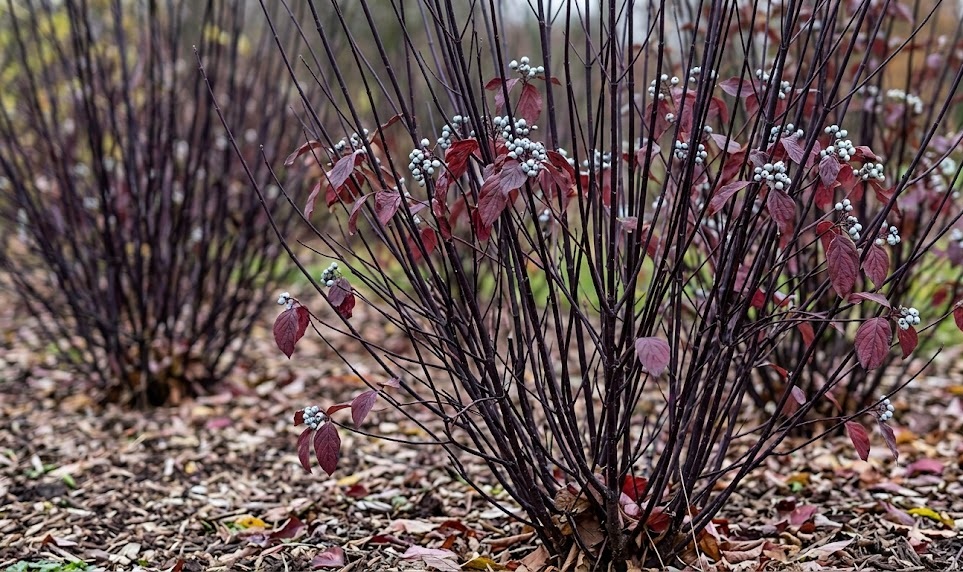

Pruning is perhaps the most influential maintenance task for anyone growing the black-stemmed dogwood in their home or garden. This particular variety is prized for the intense color of its young stems, which is best maintained through a regular and strategic cutting schedule. Without pruning, the shrub can become overgrown and the bark will eventually turn a dull gray, losing its primary aesthetic value. This guide covers the professional techniques and timing needed to keep your dogwoods vibrant, healthy, and perfectly shaped for your landscape.
Hard pruning for vibrant stem color
The most effective way to ensure a spectacular winter display is to implement a technique known as coppicing or hard pruning every few years. This involves cutting the entire shrub back to within a few inches of the ground in the late winter or very early spring. While this may seem drastic to many home gardeners, it stimulates the plant to produce a flush of vigorous new stems from the base. These new stems will have the most intense dark color and the smoothest bark, creating a much more dramatic look for the following winter.
You don’t necessarily have to hard prune every single year, as this can be quite demanding on the plant’s stored energy reserves. Instead, many professional gardeners choose to cut back about one-third of the oldest stems each year to the ground level. This “renewal pruning” ensures that you always have a mix of established structure and vibrant new growth within the shrub. It also allows the plant to maintain some of its height and presence in the garden throughout the entire year.
When performing these deep cuts, always use sharp, clean loppers or a pruning saw to ensure the wood is not crushed or torn in the process. Make your cuts as close to the ground as possible while still leaving a few healthy buds below the cut to trigger new growth. A clean, angled cut helps prevent water from sitting on the wound and reduces the risk of fungal infections or rot. Proper technique is just as important as the timing when it comes to the long-term health of your black-stemmed dogwoods.
After a hard pruning session, the plant will benefit from a light application of balanced fertilizer and a fresh layer of mulch to support the new growth. You will be amazed at how quickly the shrub recovers, often reaching several feet in height within a single growing season. This cycle of renewal is what keeps the black-stemmed dogwood looking its absolute best year after year. By being bold with your pruners, you are investing in the future beauty and vitality of your garden’s winter landscape.
More articles on this topic
Selective thinning and structural shaping
In addition to hard pruning, you may also want to perform selective thinning to maintain a pleasing and balanced shape for your dogwood. This involves removing any branches that are growing inward, crossing over each other, or appearing weak and spindly. An open center allows for better airflow and light penetration, which are both vital for the health and color of the inner stems. Thinning out the canopy also makes the overall structure of the shrub look more architectural and intentional.
Look for any stems that have become damaged by wind, ice, or pests and remove them as soon as they are noticed in the garden. Leaving dead or broken wood on the plant can invite disease and detract from the clean lines of the dark stems during the winter. You should also prune away any “suckers” or unwanted shoots that may be appearing far from the main base of the shrub. Keeping the plant contained and tidy helps it fit better within its designated space in your landscape design.
When you are shaping the shrub, try to follow its natural habit rather than trying to force it into a rigid or formal shape. Black-stemmed dogwoods look best when they have a somewhat loose and graceful appearance that highlights the vertical lines of the stems. Avoid using electric hedge trimmers, as these create a flat, sheared surface that looks unnatural and can damage the bark. Hand pruning allows you to be much more precise and ensures that every cut is made for a specific reason.
Consider the surrounding plants when deciding on the ultimate height and width of your dogwood through your pruning efforts. You may want to keep it shorter if it is in front of other features, or let it grow taller to act as a screen or a backdrop. The flexibility of this plant makes it a wonderful tool for garden design, provided you are willing to pick up your shears. Regular, thoughtful maintenance is much easier than trying to fix a neglected and overgrown shrub years down the road.
More articles on this topic
Timing the annual cut for best results
The timing of your pruning efforts is critical for maximizing both the health of the plant and the beauty of its winter display. For the black-stemmed dogwood, the best time to prune is in the late winter or very early spring, just before the buds begin to break dormancy. Pruning at this time allows you to enjoy the dark stems for the entire winter before cutting them back for the next season. It also gives the plant plenty of time to heal the wounds before the active growing season starts in earnest.
Avoid pruning in the late summer or autumn, as this can stimulate new growth that is too tender to survive the upcoming winter frosts. If you prune too early in the winter, the exposed cuts may be more susceptible to drying out or suffering from extreme cold damage. Waiting until the worst of the winter weather has passed but before the sap starts to flow heavily is the professional sweet spot. This timing ensures that the plant’s energy is directed exactly where it is needed for a successful spring recovery.
If you are using the stems for floral arrangements or indoor decoration, you can take your cuttings a little earlier in the winter. The dark bark looks spectacular when combined with evergreens or bright berries in a vase or a winter container display. Just be sure to make your cuts at a healthy bud so that the remaining stem can continue to grow in the spring. Being able to bring a piece of your garden indoors is one of the many perks of growing this beautiful variety of dogwood.
Consistency is key when it comes to developing a successful pruning routine for all of the shrubs in your garden or yard. By dedicating a few hours each year to this task, you ensure that your black-stemmed dogwoods remain a highlight of your landscape for many years. Every cut you make is an opportunity to improve the health, shape, and color of the plant, making you a better and more engaged gardener. The results of your hard work will be visible every time the leaves fall and those stunning dark stems are revealed once again.