
The successful cultivation of Japanese arrow bamboo requires a deep understanding of its unique growth habits and physiological needs within a temperate landscape. This species is highly valued for its large, tropical-looking leaves and its ability to create dense, evergreen screens even in challenging conditions. Maintaining the health of this plant involves balancing soil moisture, nutrient availability, and physical space management to ensure its longevity. By following professional horticultural standards, a gardener can transform a simple planting into a structural masterpiece that defines the garden’s character.
General growth characteristics and habit
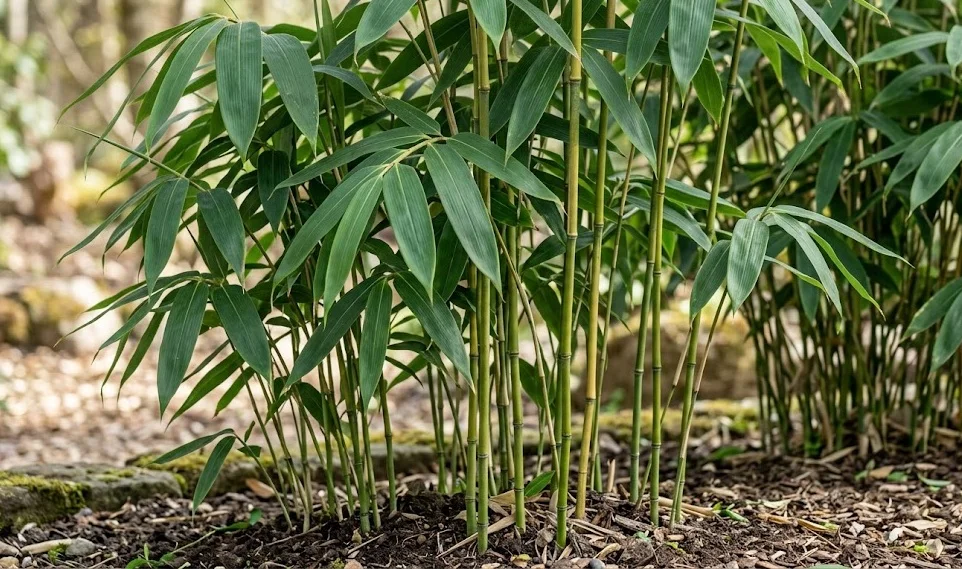
Understanding the fundamental structure of this bamboo is the first step toward providing proper care throughout its lifecycle. Unlike many other species, this plant features exceptionally large leaves that can reach lengths of up to thirty centimeters, creating a lush canopy. The culms are relatively slender but remarkably sturdy, often remaining covered in persistent tan sheaths that provide a unique aesthetic texture. Because it is technically a running bamboo, its growth pattern is determined by underground rhizomes that seek out favorable conditions for expansion.
The plant typically reaches a height of three to five meters, making it an ideal choice for mid-sized privacy barriers or windbreaks. Its density is one of its most praised attributes, as the foliage tends to remain thick from the base all the way to the top. In a professional setting, recognizing the difference between new growth and established culms helps in assessing the overall vitality of the grove. When the environment is optimal, the plant exhibits a vibrant olive-green color that persists throughout the seasons.
The root system is the engine of the plant, consisting of leptomorph rhizomes that spread laterally beneath the soil surface. While it is less aggressive than some of its relatives, it still requires monitoring to prevent it from encroaching on neighboring plant beds. Expert care involves observing the emergence of new shoots in late spring, which indicates the health of the subterranean network. If the shoots are thick and vigorous, the internal energy reserves of the plant are clearly sufficient.
Air circulation is an often overlooked aspect of bamboo care that significantly impacts leaf health and pest resistance. Densely packed groves can become stagnant, which may lead to localized humidity issues and fungal development. Thinning out older, less productive culms allows light and air to penetrate the center of the plant, promoting a more resilient structure. A well-maintained bamboo grove should look full but not cluttered, allowing each culm enough space to display its natural form.
More articles on this topic
Soil conditions and substrate composition
The chemical and physical properties of the soil serve as the foundation for the healthy development of arrow bamboo. This species prefers a soil profile that is rich in organic matter and capable of retaining moisture without becoming anaerobic or waterlogged. A slightly acidic to neutral pH level, ideally between 5.5 and 7.0, facilitates the maximum uptake of essential macro and micronutrients. Professional soil testing is recommended before planting to determine if amendments like elemental sulfur or lime are necessary to reach this range.
Texture plays a critical role in how the rhizomes navigate the subterranean environment and how the roots access water. Loamy soils are generally considered the gold standard because they provide the perfect balance of drainage and water-holding capacity. If the native soil is heavy clay, it must be amended with coarse sand and well-rotted organic compost to improve porosity. Failure to provide adequate drainage can lead to root rot, which is often difficult to reverse once it has begun to affect the foliage.
Nutrient density is another vital factor, as bamboo is a heavy feeder that requires a consistent supply of nitrogen and minerals. Incorporating aged manure or high-quality leaf mold into the planting area provides a slow-release source of energy for the growing season. The soil should also be loose enough to allow the delicate new shoots to push through the surface without excessive resistance. Compaction is the enemy of a healthy bamboo grove, as it restricts oxygen flow to the root zone and stunts overall growth.
Mulching is a standard professional practice that mimics the natural forest floor where these plants originated. A thick layer of wood chips, bark, or even the plant’s own fallen leaves helps to regulate soil temperature and conserve moisture. As this mulch decomposes over time, it continues to feed the soil biology and improve the tilth of the substrate. Maintaining a mulch depth of at least five to ten centimeters ensures that the shallow rhizomes are protected from extreme weather fluctuations.
More articles on this topic
Managing space and containment
Given its classification as a running bamboo, managing the spatial footprint of the plant is a primary concern for any professional landscaper. The rhizomes can travel significant distances if left unchecked, potentially emerging in unwanted areas of the garden or lawn. Installing a high-density polyethylene (HDPE) root barrier is the most effective way to define the boundaries of the bamboo grove. This barrier should be at least sixty centimeters deep and tilted slightly outward to direct rhizomes toward the surface where they can be pruned.
The placement of the bamboo should also take into account the ultimate spread and height of the mature specimen. Planting too close to foundations, hardscapes, or property lines can lead to structural issues or disputes with neighbors in the future. Experts recommend leaving a buffer zone around the planting area to allow for easy access during maintenance and monitoring tasks. This open space also helps the gardener spot any “escapee” rhizomes that might try to jump over the top of a root barrier.
For those with limited space, this species adapts remarkably well to large containers or raised beds that naturally restrict root growth. However, containerized bamboo requires more frequent attention to watering and nutrient supplementation as the soil volume is limited. The pots must be heavy and stable to prevent the tall, leafy culms from acting as sails and tipping over in high winds. Regular repotting every few years is necessary to prevent the plant from becoming root-bound and losing its vigor.
Strategic placement also involves considering the visual impact and functional role of the bamboo within the broader landscape design. It can be used to soften the lines of a fence, create a backdrop for smaller perennials, or act as a focal point in a Japanese-inspired garden. When the space is managed correctly, the bamboo provides a sense of permanence and architectural elegance. Professionals often use the plant to create “outdoor rooms,” utilizing its dense foliage to provide acoustic insulation and visual privacy.
Seasonal maintenance routines
A professional maintenance schedule for Japanese arrow bamboo must be tailored to the shifting demands of the four seasons. In the early spring, the primary focus is on cleaning up the grove and preparing the soil for the upcoming growth spurt. This is the ideal time to remove any culms that have been damaged by winter snow or ice to make room for new shoots. Applying a balanced, high-nitrogen fertilizer just as the ground warms up will give the plant the energy it needs for rapid culm production.
As the summer heat intensifies, moisture management becomes the most critical aspect of the care routine. The large leaves of this species have a high transpiration rate, meaning they lose water quickly during hot, dry spells. Checking the soil moisture daily and ensuring that the irrigation system is functioning correctly will prevent leaf curl and heat stress. In late summer, the growth slows down, and the plant begins to harden off the new culms that emerged earlier in the year.
Autumn is a period of transition where the gardener prepares the plant for the dormant months ahead. This is a good time to replenish the mulch layer and ensure that the root system is well-insulated against the coming frost. Reducing the frequency of fertilization in the late fall prevents the production of soft growth that would be easily killed by freezing temperatures. Monitoring for late-season pests is also important, as some insects may try to overwinter within the leaf sheaths or dense foliage.
During the winter, maintenance tasks are generally minimal, but the plant should not be completely ignored. In regions with heavy snowfall, it may be necessary to gently shake the culms to prevent them from bending or snapping under the weight. While the plant is evergreen, some leaf browning is normal in extreme cold, and these damaged leaves will eventually be replaced in the spring. Ensuring the plant stays hydrated during dry winter periods is also essential, as the evergreen leaves continue to lose water even in cold weather.
Protection from environmental stressors
The large leaves that make this bamboo so attractive also make it susceptible to damage from strong, desiccating winds. In exposed locations, high winds can cause “windburn,” where the edges of the leaves turn brown and brittle due to rapid moisture loss. Planting the bamboo in a sheltered location or providing a temporary windbreak during the winter can significantly improve its appearance. Professional growers often site this species on the leeward side of buildings or larger trees to provide a natural buffer.
Temperature extremes, particularly sudden drops in the late fall or early spring, can also stress the plant’s vascular system. While this species is relatively cold-hardy, prolonged periods of deep freeze can damage the culms and kill the foliage back to the ground. If the root system is well-protected by mulch, the plant will usually recover and send up new shoots once the weather warms. In very hot climates, providing some afternoon shade can prevent the leaves from scorching under the intense midday sun.
Soil salinity is an environmental factor that is often overlooked but can have a detrimental effect on bamboo health. In coastal areas or regions where road salt is used heavily in winter, salt accumulation in the soil can cause leaf margin necrosis. Regular deep watering helps to leach excess salts out of the root zone and maintain a healthy chemical balance. If the plant shows signs of salt stress, it may be necessary to relocate it to a more protected area or improve the drainage.
Urban environments present their own set of stressors, including air pollution and restricted root zones due to pavement. This bamboo is surprisingly resilient to urban conditions, but it still benefits from regular foliar rinsing to remove dust and pollutants from its leaves. Ensuring that the soil remains uncompacted in high-traffic areas is crucial for long-term survival in city gardens. By proactively managing these stressors, a gardener can maintain a vibrant and healthy specimen regardless of the surrounding environment.
Long-term growth and grove health
As a bamboo grove matures, its internal dynamics change, requiring a shift in management strategies to sustain its health. Over several years, the center of the grove can become overly congested with old, dead, or dying culms that no longer contribute to the plant’s vitality. A professional approach involves a “thinning” process where roughly twenty percent of the oldest culms are removed annually. This practice encourages the rhizomes to produce larger, stronger new shoots and improves the overall light penetration within the stand.
Monitoring the health of the rhizomes is just as important as observing the above-ground growth of the plant. Healthy rhizomes should be firm and light-colored, while dark, mushy, or brittle rhizomes may indicate disease or poor soil conditions. If the grove seems to be losing vigor despite proper watering and fertilization, it may be a sign that the soil is exhausted or the roots are too crowded. In such cases, physically breaking up the root mass or expanding the growing area can rejuvenate the plant.
The lifecycle of bamboo includes a rare and unpredictable flowering event, which can sometimes lead to the death of the entire plant. While this species does not flower often, a professional gardener should be aware of the signs, such as the production of grain-like seeds instead of leaves. If flowering occurs, the plant’s energy is diverted from foliage production to seed development, often leaving the grove looking sparse and sickly. In some cases, heavy pruning and intense fertilization can help a flowering bamboo survive, but this is not always guaranteed.
Consistency is the hallmark of professional bamboo care, as the plant responds best to a stable and predictable environment. Sudden changes in watering habits or aggressive over-fertilization can disrupt the plant’s natural rhythms and lead to stress. Keeping detailed records of maintenance tasks, such as when fertilizers were applied or when the last thinning occurred, helps in identifying long-term patterns. A well-managed grove of Japanese arrow bamboo can thrive for decades, providing a constant source of beauty and privacy.
Aesthetic considerations and design
The visual appeal of Japanese arrow bamboo lies in its architectural form and the rhythmic rustling of its leaves in the wind. To maximize its aesthetic potential, gardeners often focus on the “sheath” of the culms, which provides a striking contrast against the green stems. Some designers prefer to strip the lower leaves from the culms to reveal their vertical structure, creating a more “see-through” and airy effect. This technique is particularly effective when the bamboo is uplit at night, casting dramatic shadows against walls or fences.
The color of the foliage is a key indicator of the plant’s aesthetic health, with a deep, glossy green being the desired standard. If the leaves appear pale or yellowish, it may be a sign of nutrient deficiency or too much direct sunlight, requiring a change in the care routine. Grouping this bamboo with plants that have contrasting textures, such as broad-leaved hostas or delicate ferns, enhances the overall visual interest of the garden. The evergreen nature of the plant ensures that it remains a structural anchor even when the rest of the garden is dormant.
In modern landscaping, this species is often used to create clean, linear borders that complement minimalist architectural styles. The verticality of the culms can be used to lead the eye through a space or to frame a specific view within the garden. Because it takes pruning so well, it can also be maintained as a formal, squared-off hedge for a more structured look. Professional designers appreciate the versatility of this bamboo, as it can be adapted to both wild, naturalistic settings and highly controlled environments.
Finally, the sensory experience of the bamboo extends beyond just the visual, as the sound of the wind through the leaves creates a peaceful atmosphere. This “white noise” can be used strategically to mask the sounds of traffic or city life, turning a backyard into a private sanctuary. The movement of the tall culms adds a dynamic element to the garden that static plants cannot provide. When cared for with professional expertise, Japanese arrow bamboo becomes more than just a plant; it becomes a living, breathing component of the home environment.