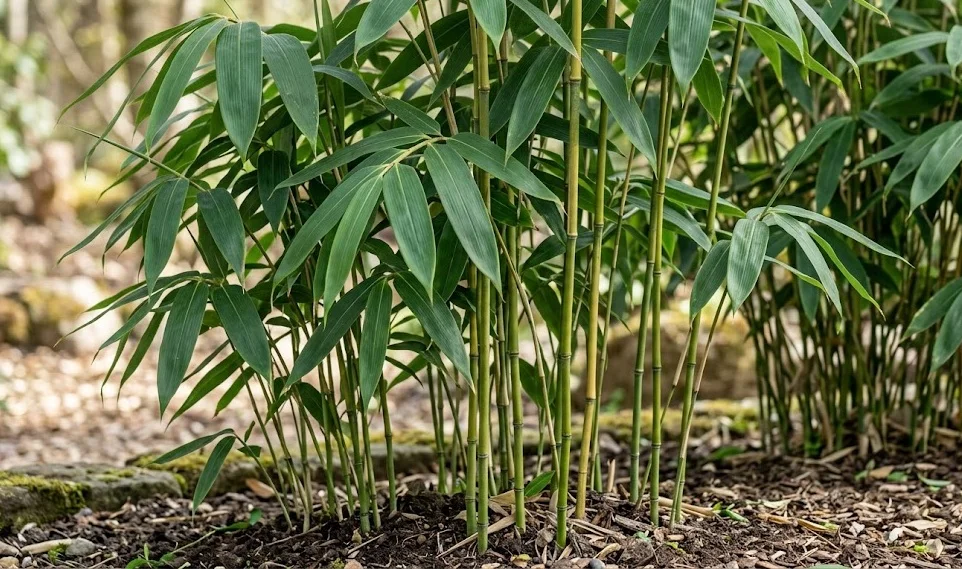

The health of Japanese arrow bamboo can be threatened by a variety of biological stressors, ranging from microscopic fungi to specialized insect herbivores. While this species is generally robust, its dense growth habit and large leaves can create microenvironments that favor the development of certain pests and pathogens. Professional management requires a proactive approach, combining regular inspections with integrated pest management (IPM) strategies to minimize damage. Understanding the lifecycle and symptoms of these threats is essential for maintaining the aesthetic and structural integrity of a bamboo grove.
Common fungal and bacterial issues
Fungal pathogens are among the most frequent problems encountered by bamboo growers, often flourishing in humid or poorly ventilated conditions. Leaf spot diseases, characterized by small, circular brown or black lesions on the foliage, can detract from the plant’s appearance and reduce its photosynthetic capacity. These spots are often caused by various fungi that thrive when the leaves remain wet for extended periods, such as after overhead irrigation. Ensuring proper spacing between plants and focusing water at the base of the culms can significantly reduce the incidence of these infections.
Sooty mold is another common issue, though it is technically a secondary problem rather than a direct disease of the bamboo. This black, powdery fungus grows on the “honeydew” excreted by sap-sucking insects like aphids or scale. While sooty mold does not infect the plant tissues, it can coat the leaves so thoroughly that it blocks sunlight and inhibits growth. Controlling the underlying insect infestation is the only effective way to eliminate sooty mold and restore the cleanliness of the foliage.
Root rot, caused by pathogens like Phytophthora, is a much more serious threat that can lead to the death of the entire plant. This condition occurs primarily in waterlogged or poorly drained soils where the roots are deprived of oxygen and become vulnerable to attack. Symptoms include a general wilting of the plant, yellowing leaves, and a foul smell emanating from the soil. Once root rot has taken hold, it is very difficult to treat, making prevention through proper site selection and soil preparation the most effective strategy.
Bacterial infections are less common but can manifest as wet, sunken cankers on the culms or rapid blighting of new shoots. These pathogens often enter the plant through wounds caused by pruning tools or environmental damage like hail. Using sterilized equipment and avoiding unnecessary mechanical damage to the plant can help prevent the spread of bacteria. If an infection is identified, removing and destroying the affected culms is often necessary to protect the rest of the grove.
More articles on this topic
Insect infestations and management
Aphids are a frequent pest of Japanese arrow bamboo, typically colonizing the underside of the leaves and the tips of new shoots. These small, soft-bodied insects suck the nutrient-rich sap from the plant, causing the leaves to become distorted or yellowed. In small numbers, aphids are mostly a nuisance, but large populations can significantly weaken the plant and lead to the development of sooty mold. They can often be managed by a strong blast of water from a garden hose or by introducing natural predators like ladybugs.
Scale insects are more difficult to detect and control because they often look like small, inanimate bumps on the culms or leaf sheaths. These pests protect themselves with a waxy coating and feed on the plant’s internal fluids, slowly draining its energy. Heavily infested culms may show signs of dieback or stunted growth, and the plant’s overall vigor will decline over time. Horticultural oils or systemic insecticides are usually required to penetrate the scale’s protective shell and effectively reduce their numbers.
Bamboo borers are a more destructive type of pest that tunnels into the interior of the culms, weakening their structural integrity. Infestations are often marked by small exit holes in the bamboo stems and the presence of fine, sawdust-like material known as frass. If borers are present, the affected culms should be cut down and burned immediately to prevent the larvae from completing their lifecycle and spreading. Keeping the plant healthy and unstressed is the best defense against borers, as they tend to target weakened specimens.
Mealybugs, which appear as small, white, cottony masses in the crevices of the plant, can also be a persistent problem. They thrive in the protected environments provided by the persistent leaf sheaths that characterize this bamboo species. Like aphids, they secrete honeydew and can cause localized yellowing and leaf drop. Regular inspections of the “nodes” and leaf bases are necessary to catch mealybug infestations before they become widespread throughout the grove.
More articles on this topic
Mite management and specialized threats
The bamboo spider mite (Schizotetranychus celarius) is perhaps the most specialized and frustrating pest for collectors of Japanese arrow bamboo. These microscopic arachnids live in colonies on the underside of the leaves, spinning dense silken webs that protect them from predators and environmental factors. Their feeding creates distinct, rectangular yellow or pale spots on the upper surface of the leaves, which can eventually merge into larger bleached areas. Because they are so small and well-protected, they can cause extensive damage before the gardener even realizes they are present.
Controlling bamboo mites requires a multi-faceted approach, as they have developed resistance to many common pesticides. Increasing humidity through regular misting can discourage their activity, as they prefer dry, dusty conditions. Predatory mites, which specifically hunt spider mites, can be released as a biological control measure in professional or large-scale settings. If chemical intervention is necessary, it is vital to use a miticide specifically labeled for this pest and to ensure thorough coverage of the leaf undersides.
Mite damage is largely cosmetic in its early stages, but severe infestations can lead to premature leaf drop and a general loss of plant vigor. Because the mites overwinter in the leaf sheaths and fallen debris, sanitation is a critical part of a long-term management plan. Removing and disposing of heavily infested foliage in the fall can help reduce the population that emerges the following spring. It is also important to avoid over-fertilizing with nitrogen, as the succulent growth produced by high-nitrogen levels is particularly attractive to mites.
Regular monitoring with a magnifying glass is the only way to detect mites before their damage becomes visually obvious on the top of the leaf. A professional gardener knows to look for the tiny, pale specks and the telltale webbing along the leaf veins. If mites are caught early, localized treatments can prevent a full-blown outbreak that would require more aggressive measures. Maintaining the overall health of the bamboo through proper watering and mulching makes the plant much more resilient to the stresses of mite feeding.
Environmental stress and physiological disorders
Not all health problems in Japanese arrow bamboo are caused by living organisms; many are the result of environmental conditions or physiological imbalances. Leaf scorch, for example, is often mistaken for a disease but is actually the result of excessive sun or wind exposure. When the plant cannot transport water to the leaf tips fast enough to keep up with evaporation, the edges turn brown and brittle. This is a common issue in plants that are poorly sited or those with damaged root systems.
Iron chlorosis is another physiological disorder that can be confused with a viral infection or fungal blight. This condition causes the new leaves to turn pale yellow or even white while the veins remain green, indicating that the plant is unable to produce chlorophyll. It is usually caused by alkaline soil conditions that lock up the iron, making it unavailable to the roots. Applying chelated iron and adjusting the soil pH are the standard professional treatments for this nutritional imbalance.
Abiotic stress can also manifest as “aborting” new shoots, where the emerging culms turn black and die before they can fully expand. This can be caused by sudden temperature fluctuations, such as a late spring frost, or by extreme fluctuations in soil moisture during the shooting period. While it can be alarming to lose a major shoot, the plant will usually redirect its energy to other rhizome buds once conditions stabilize. Ensuring a consistent environment during the critical spring growth phase is the best way to prevent shoot abortion.
Salt toxicity is a significant environmental stressor in coastal areas or near treated winter roadways. The accumulation of salts in the soil causes the margins of the leaves to turn brown and can eventually lead to a “burnt” appearance across the entire plant. Regularly flushing the soil with fresh water can help mitigate this, but in some cases, the only solution is to provide a physical barrier or move the plant. Understanding the difference between these abiotic factors and true diseases is a hallmark of an expert gardener.
Integrated pest management and long-term health
A professional approach to bamboo health focuses on Integrated Pest Management (IPM), which prioritizes cultural and biological controls over chemical interventions. The first line of defense is always to maintain the plant’s natural vigor through proper siting, watering, and fertilization. A healthy bamboo is much better equipped to tolerate a moderate level of pest activity without suffering significant damage. Regular “scouting” or inspections allow the gardener to identify potential issues early when they are easiest to manage.
Sanitation plays a massive role in reducing the pressure of diseases and pests within a bamboo grove. Removing dead culms, thinning out congested growth, and clearing away fallen leaves that may harbor pathogens or insect eggs are essential maintenance tasks. This not only improves the appearance of the plant but also increases air circulation and light penetration, creating an environment that is less favorable for pests. Tools used for pruning should always be cleaned with alcohol or a bleach solution between plants to prevent the cross-contamination of diseases.
When chemical treatments are necessary, they should be applied selectively and at the correct time in the pest’s lifecycle to maximize effectiveness. For example, applying horticultural oils in the late winter can smother overwintering scale insects and mite eggs before they become active. Always choose the least toxic option that will achieve the desired results to protect beneficial insects like bees and spiders. Following the label instructions exactly is not only a legal requirement but also ensures the safety of the plant and the gardener.
Long-term success in managing the health of Japanese arrow bamboo requires a deep commitment to observation and a willingness to adapt the care routine as needed. As the climate changes and new pests are introduced, the challenges facing the bamboo may evolve over time. By staying informed and maintaining a proactive mindset, the professional gardener can ensure that their bamboo remains a centerpiece of the landscape for many years. A thriving, pest-free grove is a reflection of the skill and dedication brought to its daily and seasonal care.