
Understanding the light preferences of this species is essential for placing it correctly within your landscape design. You must realize that while it is famous for its shade tolerance, it still has specific needs for optimal growth. The amount of light the plant receives directly affects its density, foliage color, and overall health. Finding the perfect balance between sun and shade is the mark of an experienced horticulturalist.
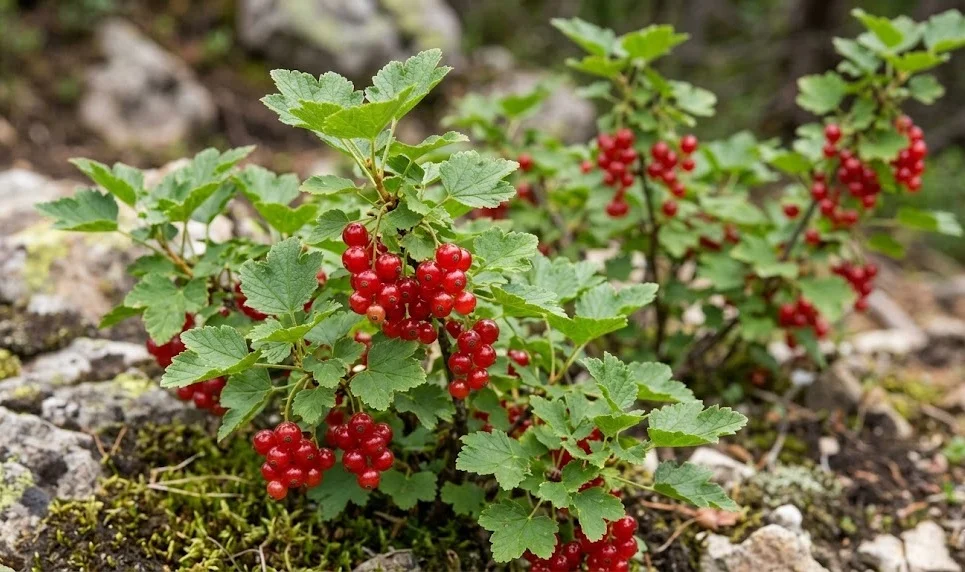
In its natural mountain environment, this shrub often grows in the understory of larger trees or on shaded rocky slopes. You should use this knowledge to inform your placement, as it is naturally adapted to filtered or indirect light. It is one of the few deciduous shrubs that can maintain a decent appearance in areas where other plants might struggle. However, “shade tolerant” does not mean the plant can thrive in total darkness.
Full sun is tolerated by the alpine currant, especially in cooler climates where the summer heat is not too intense. You might find that the leaves are a slightly different shade of green when grown in direct sunlight compared to deep shade. The plant will often grow more quickly and densely if it receives at least a few hours of sun each day. However, in very hot regions, afternoon sun can sometimes lead to leaf scorch or stress.
When you are planning your garden, observe how the light moves across your space at different times of the year. You should consider how nearby buildings or growing trees might change the light levels over time. A spot that is sunny in the spring when the trees are bare might be in deep shade by the middle of summer. Planning for these changes ensures that your shrubs will continue to thrive as the landscape matures.
Impact of light on growth and density
The density of the foliage is one of the most visible ways the plant responds to the available light. You will notice that plants grown in brighter conditions tend to have shorter internodes and more leaves. This makes them ideal for creating thick, impenetrable hedges that provide excellent privacy and wind protection. If the light is too low, the plant may become “leggy” as it stretches to find more sun.
More articles on this topic
Light also plays a crucial role in the plant’s ability to produce the energy it needs for root development and defense. You should ensure that at least some light reaches the interior of the shrub to prevent the inner branches from dying back. Proper thinning during pruning can help light penetrate deep into the canopy, keeping the whole plant healthy. A well-lit shrub is generally more resilient to pests and diseases than one grown in poor light.
The color of the leaves can also be an indicator of whether the plant is receiving the right amount of light. You might see a more vibrant, lighter green in plants that get a moderate amount of sun. In deep shade, the leaves often turn a darker, forest green as the plant produces more chlorophyll to capture what little light is available. Both looks are attractive, but they represent different physiological states of the shrub.
If you find that your hedge is becoming too thin at the bottom, it is often a sign that the upper branches are shading the lower ones too much. You should prune your hedges so that they are slightly wider at the bottom than at the top. This “tapered” shape allows sunlight to reach the lower foliage, ensuring that the hedge stays green and dense from top to bottom. This professional technique is essential for maintaining high-quality formal hedges.
Managing light in urban and woodland settings
In urban gardens, light can be reflected off buildings or blocked by fences and walls, creating unique microclimates. You should be aware of “heat islands” where reflected light can significantly increase the temperature around the plant. Even in a shaded city garden, the ambient light levels might be higher than in a rural forest. Adapting your care routine to these specific urban conditions is a key part of modern landscaping.
More articles on this topic
Woodland gardens provide the most natural light environment for the alpine currant to thrive. You should aim to mimic the dappled light found under a high tree canopy, which provides a mix of sun and shade throughout the day. This environment protects the foliage from the harshest midday sun while providing enough energy for healthy growth. It is the perfect setting for creating a lush, naturalistic garden that feels cool and inviting.
If you are dealing with deep shade, you should choose your companion plants carefully to avoid excessive competition for light. You can use lighter-colored mulch or light-colored garden features to help bounce some light back into the shaded corners. This can subtly increase the available light for the shrubs and make the area feel brighter and more open. Small adjustments can make a big difference in the success of a shade-loving garden.
Periodically assessing the light levels in your garden will help you determine if any adjustments are needed. You might need to limb up nearby trees to allow more light to reach the shrubs below as the canopy closes in. Or, you might decide to add a taller structure to provide more shade if the plants are showing signs of sun stress. A professional gardener is always observant and ready to adapt to the changing light conditions of the landscape.