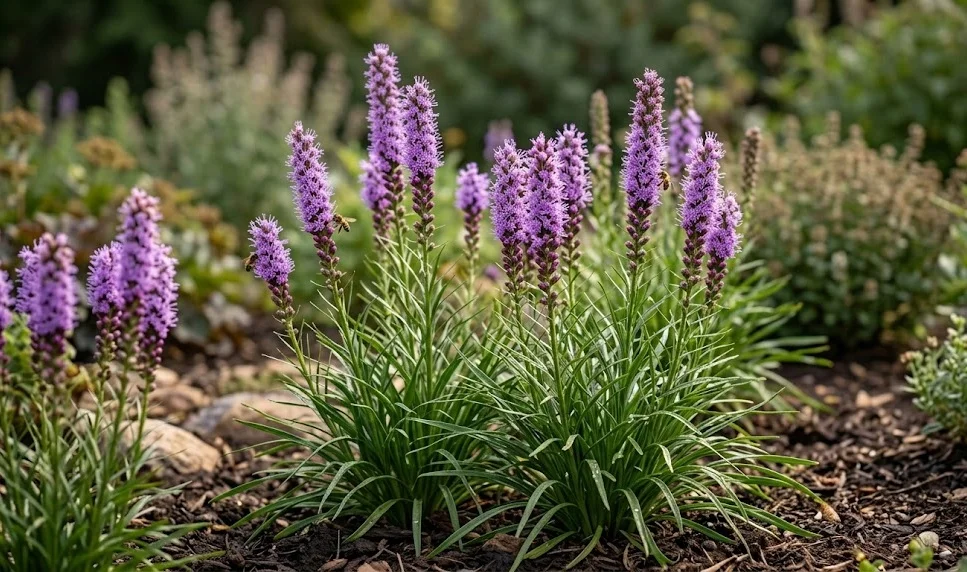

Proper maintenance of the dense blazing star requires a deep understanding of its natural habitat and physiological needs throughout the growing season. This North American native has adapted to thrive in prairie environments where it must compete with tall grasses and endure varying weather patterns. Professional gardeners appreciate this plant not only for its striking vertical spikes but also for its relatively low-maintenance nature once established in the landscape. By following a structured care routine, one can ensure that these perennials remain a vibrant focal point in the garden for many years.
General maintenance principles
Maintaining the health of these herbaceous perennials involves a consistent monitoring of their structural integrity and foliage quality. During the peak of the growing season, the tall flower spikes may require occasional support if they are planted in areas with excessive wind or overly rich soil. Professionals often use subtle staking methods or plant them in dense clusters to provide natural structural reinforcement. Observing the color of the leaves can provide immediate feedback regarding the plant’s overall health and nutrient status.
Soil aeration and the management of surrounding vegetation play a critical role in the long-term success of the dense blazing star. Because these plants grow from corm-like structures, they are sensitive to soil compaction which can limit oxygen availability to the root system. It is advisable to keep the area immediately around the base of the plant free from aggressive weeds that might compete for resources. A light layer of organic mulch can help regulate soil temperature and suppress unwanted competition while maintaining a clean aesthetic.
Seasonal transitions require specific attention to ensure the plant transitions smoothly from its vegetative state to the flowering phase. As the summer progresses, the energy of the plant shifts from leaf production to the development of the iconic purple or white spikes. Providing a stable environment during this transition prevents physiological stress that could lead to stunted growth or poor flower quality. Gardeners should avoid moving or transplanting established specimens during this sensitive period to prevent root disturbance.
The overall longevity of the plant is often determined by the care given during the final stages of the annual cycle. After the flowering period concludes, the plant begins to move nutrients back into its underground storage organs for the coming year. Allowing the foliage to remain until it has naturally yellowed ensures that the corms are well-provisioned for the winter dormancy. This patient approach to maintenance reflects a professional understanding of the plant’s biological clock and resource management.
More articles on this topic
Soil quality and structural support
The foundation of successful care lies in the physical and chemical properties of the soil in which the plant resides. While it is known for its adaptability, the dense blazing star performs best in soil that offers excellent drainage while retaining some organic matter. Heavy clay soils can be problematic because they trap moisture around the corms, potentially leading to decay during the dormant season. Improving soil structure with decomposed organic material can enhance the overall vigor and flowering potential of the species.
Structural support becomes a primary concern as the flower spikes reach their full height in mid-summer. In fertile garden soils, the stems may grow taller and softer than they would in the wild, making them prone to leaning. Professional landscapers often use thin bamboo stakes or specialized circular supports that blend into the foliage to maintain a vertical posture. This attention to detail ensures that the garden maintains a tidy and intentional appearance even during stormy weather.
The management of the root zone is equally important for maintaining a healthy and resilient plant colony. Avoiding heavy foot traffic around the base of the plants prevents the compression of the delicate pore spaces within the soil. Maintaining a consistent soil pH, ideally in the neutral to slightly acidic range, facilitates the optimal uptake of essential minerals. Regular soil testing can provide data-driven insights into any necessary amendments that might be required to sustain peak performance.
Environmental factors such as wind exposure and local microclimates must be factored into the daily care routine. In very open landscapes, the drying effect of constant wind can increase the plant’s transpiration rate significantly. Grouping these perennials with other prairie species can create a more humid microclimate that reduces the stress on the foliage. This ecological approach to garden design mimics the plant’s natural community and leads to a more self-sustaining system.
More articles on this topic
Seasonal transition management
As spring emerges, the care routine focuses on clearing away the remnants of the previous year to make room for new growth. Removing old stalks and debris prevents the sheltering of pathogens and allows sunlight to reach the emerging crown. This early intervention is crucial for setting the stage for a productive growing season without the interference of old plant material. The first signs of green growth indicate that the root system has successfully overwintered and is ready for the year ahead.
During the height of summer, the focus shifts to maintaining the aesthetic and biological health of the flower spikes. The unique “top-down” blooming habit of the dense blazing star means that the upper florets open first while the lower ones remain in bud. Monitoring this process allows the gardener to appreciate the full duration of the floral display which can last for several weeks. Ensuring that the plant has adequate space for air circulation during these humid months prevents the development of foliar issues.
The transition into autumn involves a gradual reduction in active maintenance as the plant prepares for its rest period. Once the flowers have faded, the architectural seed heads can be left to provide visual interest and a food source for local bird populations. This practice also allows the plant to complete its natural reproductive cycle and strengthens its internal reserves. The strategic timing of these tasks aligns the gardener’s actions with the inherent rhythms of the temperate climate.
Winter care is primarily about protection and patience rather than active intervention or manipulation of the plant. Ensuring that the ground is not overly saturated before the first hard freeze protects the dormant corms from ice damage. A thin layer of protective mulch can be applied if the local climate experiences extreme temperature fluctuations without consistent snow cover. This passive phase of care is essential for the long-term sustainability of the perennial garden and its inhabitants.
Enhancement of floral performance
To maximize the impact of the flower spikes, one must pay close attention to the timing of environmental inputs. Consistent moisture levels during the early stages of spike development ensure that the stems reach their maximum potential length and girth. Any significant drought stress during this period can lead to crooked or shortened flowers that lack their characteristic elegance. A professional approach involves monitoring the weather and providing supplemental hydration when natural rainfall is insufficient.
The density of the planting also affects how the individual spikes are perceived within the overall garden design. Planting in drifts or large groups creates a more dramatic visual effect and mimics the natural distribution of the species. This massing also provides a degree of mutual support, as the stems lean against one another during heavy rains. Strategic placement within the garden beds can highlight the unique verticality of the plant against broader-leaved companions.
The health of the foliage below the flowers is a key indicator of the plant’s overall success and vitality. Maintaining deep green, needle-like leaves throughout the summer requires a balance of light and nutrient availability. If the lower leaves begin to yellow prematurely, it may indicate a need for adjusted watering or a light application of compost. A healthy base of foliage provides the necessary energy for the plant to produce its impressive floral display year after year.
Selecting the right cultivars can also play a role in the care requirements and the final visual outcome of the garden. Some varieties are bred for shorter stature, which eliminates the need for staking in smaller or more formal garden settings. Others may offer different color variations, such as pure white, which requires careful placement to avoid looking washed out in bright sun. Understanding the specific characteristics of the chosen variety allows for a more tailored and effective care plan.
Long term plant health strategy
The long-term health of a dense blazing star colony depends on the periodic rejuvenation of the underground corms. Over several years, the clumps may become overly dense, leading to a decline in flower size and overall vigor. Professional gardeners plan for division every three to four years to maintain the vitality of the original planting. This process not only refreshes the plants but also provides an opportunity to expand the collection or share with others.
Managing the competition from surrounding perennials and grasses is a continuous task for the dedicated gardener. As the garden matures, faster-growing neighbors may begin to shade out the dense blazing star or encroach on its root zone. Regularly thinning out aggressive companions ensures that each plant has the light and space it needs to flourish. This spatial management is a hallmark of a professional garden that values the individual needs of each species.
Monitoring for signs of declining soil health is a vital component of a comprehensive long-term care strategy. Over time, even the most fertile soils can become depleted of micronutrients or experience changes in structure. Incorporating organic matter annually or applying balanced, slow-release fertilizers can help maintain the productivity of the site. A proactive approach to soil stewardship prevents the gradual decline that often goes unnoticed in less managed landscapes.
Documentation and observation serve as valuable tools for refining the care of this species over several growing seasons. Keeping a garden journal helps track the timing of the first blooms, the duration of the flowering period, and any issues that arose. This historical data allows for more accurate predictions and better-timed interventions in future years. A professional gardener uses these observations to continuously improve their techniques and ensure the thriving future of their plants.
Integration with local ecosystems
The dense blazing star is more than just an ornamental plant; it is a vital component of the local ecological web. Its nectar-rich flowers are a magnet for various species of butterflies, including the iconic monarch, and various beneficial bees. Caring for these plants includes a commitment to avoiding harmful pesticides that could impact these visiting pollinators. A professional understands that a healthy garden is one that supports a wide diversity of life beyond the plants themselves.
The architectural presence of the seed heads in the winter garden provides more than just aesthetic value to the landscape. These seeds are a high-energy food source for small birds during the leanest months of the year. By delaying the final cleanup until late winter, the gardener supports local wildlife and participates in a larger ecological cycle. This holistic view of garden maintenance elevates the practice from simple aesthetics to meaningful environmental stewardship.
Proper care also involves understanding the plant’s role in soil stabilization and carbon sequestration within the garden. The deep, fibrous root system of the dense blazing star helps bind the soil and improve its overall structure over time. This subterranean activity is just as important as the visible floral display, contributing to the health of the entire garden bed. Recognizing these invisible benefits reinforces the value of maintaining these plants with professional care and attention.
The success of this species in a garden setting often encourages the introduction of other native prairie plants. Creating a cohesive plant community leads to a more resilient landscape that can better withstand environmental stresses. This ecological approach reduces the need for intensive individual care and creates a more harmonious and natural aesthetic. The dense blazing star often serves as the “gateway” plant for many who wish to explore the beauty of native gardening.
Cultural significance and aesthetic value
In the professional world of landscape design, the dense blazing star is prized for its unique vertical form and late-summer color. Its ability to bridge the gap between the early summer blooms and the autumn asters makes it an indispensable tool. Caring for these plants ensures that this vital link in the floral calendar remains strong and reliable. The textural contrast between the fine foliage and the bold flower spikes adds a layer of sophistication to any planting scheme.
The historical use of this plant in traditional herbalism adds another layer of interest for the curious gardener. While modern use is primarily ornamental, acknowledging its past gives the plant a sense of place and historical context. This knowledge can inform the care process, as one appreciates the hardy nature that allowed it to be utilized in various ways. A professional gardener values both the utility and the beauty of the species they cultivate.
The visual impact of a well-maintained stand of dense blazing star is undeniable, especially when lit by the low sun of late afternoon. The purple spikes seem to glow, creating a magical atmosphere that is the reward for months of careful maintenance. Achieving this level of beauty requires a combination of horticultural skill and an artistic eye for placement and care. This aesthetic success is the ultimate goal for any professional working with this extraordinary perennial.
Finally, the sense of accomplishment that comes from successfully nurturing these plants through their entire life cycle is profound. From the first green shoots of spring to the frost-covered seed heads of winter, the journey is one of constant learning. Sharing this knowledge and the beauty of the results with others is a core part of the professional gardening community. The dense blazing star continues to be a favorite because it rewards careful attention with spectacular and dependable results.