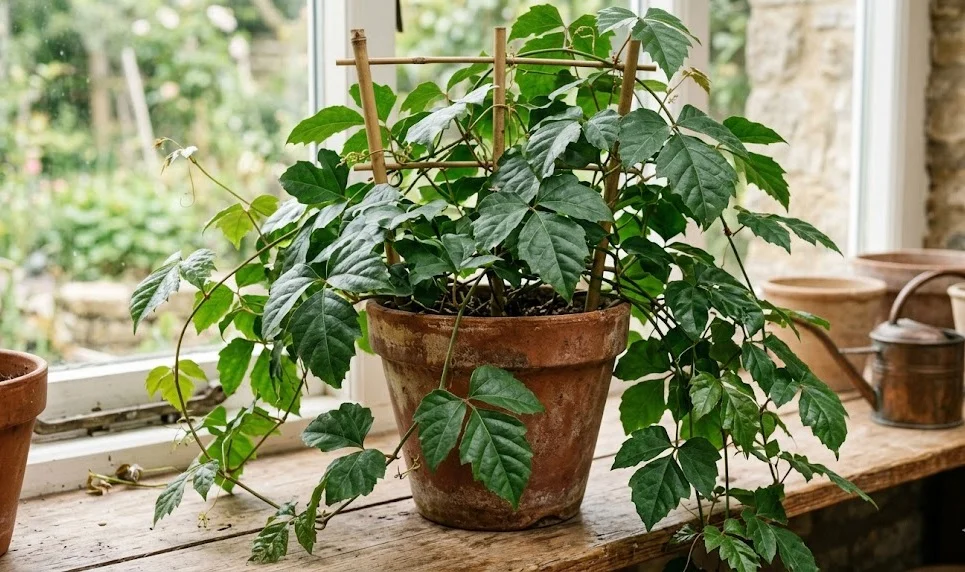

Pruning is a vital maintenance task that not only controls the size and shape of the vine but also encourages a fuller and bushier appearance. Without regular intervention, climbing plants can become excessively long and sparse, losing their decorative appeal as the older stems age. By strategically removing certain parts of the plant, you redirect its energy into producing new shoots from the base or along the stems. This process is essential for maintaining the vigor of a specimen that is grown in a confined indoor space.
The best time to perform significant pruning is in the early spring, just as the plant is beginning its most active phase of the yearly growth cycle. You should use a pair of sharp, clean bypass pruners to make clean cuts just above a leaf node or junction. This technique stimulates the dormant buds at the node to grow, usually resulting in two new stems where there was previously only one. Regular “pinching” of the growing tips throughout the summer can also help maintain a dense habit without the need for drastic cuts.
When you are cutting back the plant, it is a good opportunity to remove any yellowing, damaged, or diseased leaves that may be draining the plant’s resources. You should also look for stems that are growing in an undesirable direction or those that have become completely bare of foliage. Do not be afraid to be somewhat aggressive with your pruning, as these vines are typically very resilient and respond well to being shortened. In fact, cutting back an overgrown plant by up to one-third of its total length can often rejuvenate a tired-looking specimen.
The cuttings that you remove during the pruning process do not have to go to waste, as they are often perfect candidates for propagation. Select the healthiest sections of the pruned vines and follow the standard procedures for rooting them in water or soil to create new plants. This allows you to maintain your original plant while also expanding your collection or sharing the beauty of the ivy with friends. Consistent pruning combined with propagation ensures a continuous cycle of healthy, vibrant growth that can be enjoyed for many years.