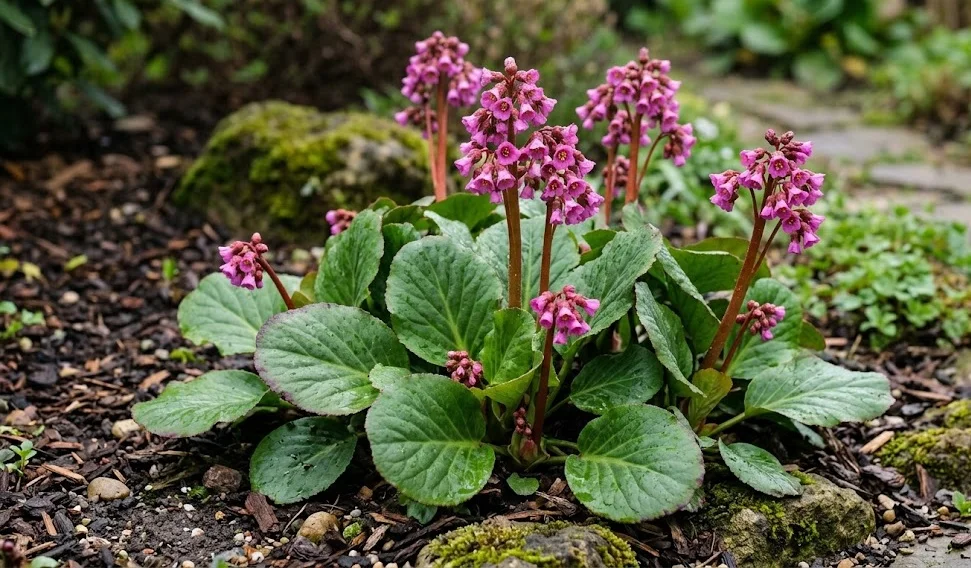

Maintaining elephant’s ears requires a consistent approach to ensure their leathery foliage remains vibrant throughout the year. These hardy perennials are celebrated for their ability to thrive in various conditions, but they truly excel when provided with stable environmental factors. Professional gardeners often recommend monitoring the soil moisture levels and checking for any signs of leaf discoloration during the transition between seasons. By establishing a routine that prioritizes plant health, it becomes much easier to manage large clusters of these ground-covering beauties.
General maintenance for healthy growth
Success with these plants often starts with understanding their natural resilience and adapting your garden routine to match their growth cycle. While they are known for being low-maintenance, ignoring them entirely can lead to leggy stems and smaller leaves over time. Regular observation allows for the early detection of any physiological stress that might occur during unexpected heatwaves. Consistent care ensures that the thick, waxy leaves maintain their deep green hue and characteristic texture throughout the spring and summer.
The surrounding environment plays a significant role in how much attention these perennials will require on a weekly basis. If the garden bed is situated in a particularly windy area, the large leaves may suffer from mechanical damage or increased transpiration rates. Providing a bit of natural shelter with taller shrubs or decorative fences can significantly reduce the physical stress on the foliage. It is also beneficial to clear away any debris that might collect around the base of the plant, as this improves airflow and keeps the crown healthy.
Soil quality should be monitored to ensure it remains fertile and well-draining, which prevents the roots from sitting in stagnant water. Adding organic matter to the surface once or twice a year can help maintain the structure of the earth and provide a slow-release source of nutrients. Healthy soil biology encourages strong root development, which in turn leads to a more robust plant capable of handling environmental fluctuations. Professionals often suggest a light tilling of the top layer of soil around the plant to prevent compaction without disturbing the shallow root system.
Finally, managing the aesthetic appeal of the plant involves more than just keeping it alive; it requires a keen eye for detail. Removing any yellowing or damaged leaves as soon as they appear helps the plant direct its energy toward new, healthy growth. This practice also prevents the buildup of old organic material that could harbor unwanted pests or diseases. A well-maintained patch of elephant’s ears serves as an excellent anchor for any garden design, providing a reliable backdrop for more delicate flowering plants.
More articles on this topic
Adapting to local soil conditions
Understanding the specific chemistry of your garden soil is vital for the long-term success of these robust perennials. While they are famously tolerant of different pH levels, they tend to perform best in slightly acidic to neutral ground. If the soil is too alkaline, the leaves might show signs of chlorosis, where the veins remain green but the rest of the leaf turns yellow. Testing the soil every few years provides valuable data that can guide your choices for amendments and specialized treatments.
Drainage is perhaps the most critical factor when considering the soil environment for these broad-leaved plants. Heavy clay soils can be problematic because they retain too much moisture during the rainy season, potentially leading to crown rot. To improve drainage in such areas, it is often necessary to incorporate coarse sand or fine grit into the planting site before the growing season starts. Well-aerated soil allows the roots to breathe and facilitates the efficient uptake of essential minerals and water.
In contrast, sandy soils may drain too quickly, leaving the plant thirsty and unable to sustain its large, succulent foliage. If you are dealing with fast-draining earth, the addition of well-rotted compost or leaf mold can significantly improve moisture retention. This organic matter acts like a sponge, holding onto water while also enriching the soil with beneficial microorganisms. Creating a balanced soil structure is the foundation of a professional gardening approach that minimizes the need for constant intervention.
Nutrient availability is another aspect that gardeners must manage to ensure the foliage remains lush and expansive. These plants are not heavy feeders, but they do appreciate a baseline level of fertility to support their large surface area. A balanced approach to soil enrichment, focusing on long-term health rather than quick growth spurts, produces the most resilient plants. By fostering a rich and stable soil environment, you create the perfect conditions for these perennials to spread and form an impressive ground cover.
More articles on this topic
Seasonal care transitions
As the garden moves from the cool dampness of spring into the heat of summer, the care requirements for elephant’s ears shift accordingly. During the spring months, the primary focus is on supporting the new growth and the emergence of bright floral spikes. This is the time when the plant is most active, drawing heavily on stored energy to expand its footprint. Keeping a close watch on soil moisture during this period ensures that the development of new leaves is not stunted by early dry spells.
When summer arrives, the strategy changes toward protecting the plant from excessive heat and direct sunlight. In many regions, the intense afternoon sun can cause the large leaves to wilt or develop brown, crispy edges. Adjusting the watering schedule to early morning or late evening helps the plant recover from the daily thermal stress. Providing temporary shade during the hottest weeks of the year can also preserve the aesthetic quality of the foliage for the remainder of the season.
The transition into autumn is characterized by a gradual slowing of growth and a change in leaf pigmentation. Many varieties develop stunning bronze or reddish tints as the temperatures drop, which is a natural and highly desirable feature. This is an excellent time to evaluate the overall health of the plant and make notes for the upcoming year. Reducing the frequency of interventions during this period allows the plant to naturally prepare for its dormant phase without the stress of excessive stimulation.
Winter care is largely about protection and patience, as the plant enters a period of relative inactivity. While these perennials are evergreen in many climates, they still benefit from a layer of protective mulch to insulate the roots against deep freezes. Removing any heavy snow loads from the leaves can prevent the stems from snapping under the weight. By respecting the natural rhythm of the seasons, a professional gardener ensures that the plant remains a permanent and beautiful fixture in the landscape.
Monitoring leaf health and appearance
The foliage of elephant’s ears is its most prominent feature, making leaf health a primary indicator of the plant’s overall well-being. Large, leathery leaves should feel firm to the touch and display a consistent color across their entire surface. If the leaves appear limp or dull, it is often a sign of underlying issues with hydration or root health. Professionals make it a habit to inspect both the upper and lower surfaces of the leaves for any subtle changes in texture or appearance.
Spotting on the leaves can indicate a variety of issues, ranging from fungal infections to simple environmental stress. Brown spots with a yellow halo often suggest a pathogen that may require a change in watering habits or the application of an appropriate treatment. On the other hand, small white or silvery patches could be the result of physical abrasion or minor pest activity. Identifying these signs early allows for targeted interventions that prevent the problem from spreading to the rest of the plant.
The edges of the leaves provide clues about the humidity and moisture levels in the immediate vicinity of the plant. Dry, brittle edges are a classic sign of low humidity or insufficient soil moisture during periods of rapid growth. Conversely, soft or mushy edges can point to excessive dampness or poor air circulation around the base of the foliage. Adjusting the local environment by thinning out nearby plants or modifying the irrigation system can often resolve these aesthetic and health concerns.
Maintaining the cleanliness of the foliage is a simple yet effective way to promote better health and appearance. Dust and debris can accumulate on the large surface area of the leaves, potentially blocking the stomata and reducing the efficiency of photosynthesis. A gentle rinse with water or a wipe with a damp cloth can restore the natural luster of the leaves and keep the plant functioning optimally. This level of detail in care reflects a professional commitment to horticultural excellence and results in a truly stunning garden specimen.
Interaction with other garden perennials
Integrating elephant’s ears into a mixed border requires an understanding of how they interact with neighboring plants. Their broad, static leaves provide a wonderful structural contrast to the fine textures of ornamental grasses or the delicate flowers of woodland perennials. When planning the layout, it is important to give these plants enough space to expand without overwhelming their neighbors. A well-spaced garden ensures that every plant has access to the light and nutrients it needs to flourish.
Companion planting can also be used to enhance the health of elephant’s ears by creating a more balanced ecosystem. Taller plants can provide the necessary dappled shade that prevents leaf scorch during the peak of summer. Meanwhile, low-growing ground covers can help retain soil moisture around the base of the larger perennials. Selecting companions that share similar water and soil requirements simplifies the overall maintenance of the garden bed.
Competition for resources is a factor that must be managed, especially in densely planted areas. These plants have a relatively shallow root system, so they can sometimes struggle if planted too close to aggressive, deep-rooted shrubs. Regular thinning or strategic placement of root barriers can help maintain a healthy balance between different species. A professional gardener observes these interactions over several seasons to fine-tune the composition of the garden for maximum visual impact and plant health.
The visual transition between different types of foliage creates a sense of depth and interest in the garden throughout the year. Because elephant’s ears retain their leaves in winter, they provide essential structure when other perennials have died back to the ground. Using them as a foreground plant allows their bold form to lead the eye through the garden toward more complex arrangements. This thoughtful integration of different growth habits is a hallmark of expert landscape design and long-term garden management.
Longevity and plant rejuvenation
With proper care, elephant’s ears can remain a productive and beautiful part of the garden for many years. However, as the plant ages, the center of the clump can sometimes become woody or less vigorous in its leaf production. This natural aging process is an indication that the plant may benefit from a rejuvenation strategy to restore its youthful energy. Monitoring the density of the foliage and the size of new leaves helps in determining when such intervention is necessary.
Lifting and dividing the plant every few years is one of the most effective ways to maintain its vitality. This process involves carefully digging up the entire clump and separating the younger, more vigorous outer sections from the older core. The rejuvenated sections can then be replanted in fresh, amended soil to start a new cycle of growth. This practice not only improves the health of the plant but also provides an opportunity to expand the collection or share plants with others.
Soil exhaustion can also contribute to a decline in the plant’s performance over a long period. Even with regular fertilization, the specific balance of micronutrients in the immediate area can become depleted. Moving the plant to a slightly different location or replacing a significant portion of the soil can provide a much-needed boost. A professional approach involves a long-term view of the garden, where individual plants are treated as evolving components of a larger system.
Finally, keeping the plant clear of competing weeds and encroaching grass is essential for its long-term survival. Weeds can quickly sap the nutrients and moisture that these perennials rely on to maintain their large foliage. A thick layer of mulch helps suppress weed growth while also protecting the root zone from temperature extremes. By consistently addressing these small maintenance tasks, you ensure that the elephant’s ears remain a healthy and impressive feature of the landscape for decades.
Aesthetic considerations in the landscape
The bold architectural form of elephant’s ears makes them a versatile tool for any garden designer looking to create impact. Their large, rounded leaves provide a sense of stability and weight that can anchor a variety of different garden styles. Whether used in a formal border or a more relaxed woodland setting, they offer a consistent visual presence that bridges the seasons. Understanding the scale of the plant at maturity is key to placing it effectively within the overall landscape.
Color coordination is another important aspect of using these plants to their full aesthetic potential. The deep green of the summer foliage serves as a neutral background for bright summer blooms, while the winter color shifts add unexpected interest. Some varieties offer variegated leaves or unique undertones that can be highlighted through careful pairing with other plants. A professional designer considers these color changes when selecting the surrounding palette to ensure year-round harmony.
Texture plays a massive role in how we perceive a garden space, and elephant’s ears provide a unique tactile quality. The contrast between their smooth, leathery surface and the fuzzy leaves of other perennials or the rough bark of trees creates sensory depth. Placing them near paths or seating areas allows people to appreciate this texture up close. This deliberate use of contrast is a sophisticated way to elevate a garden from a simple collection of plants to a curated outdoor experience.
Lastly, the way these plants capture light and shadow can dramatically alter the mood of a garden. In the early morning or late evening, the low sun can highlight the glossy surface of the leaves, creating a shimmering effect. In shaded areas, the large foliage acts as a deep green canvas that absorbs light, making the space feel cool and tranquil. By considering the interplay of light throughout the day, a gardener can maximize the visual drama that these remarkable plants bring to the environment.