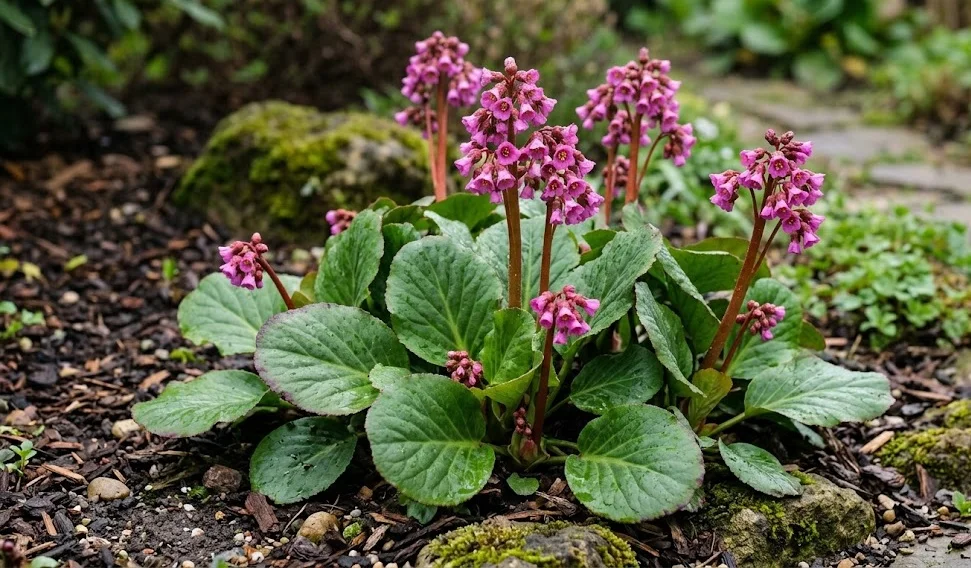

Establishing a new colony of elephant’s ears requires careful attention to the initial planting process and an understanding of how these plants naturally expand. The successful integration of these perennials into a garden starts with selecting a site that meets their specific needs for light and soil structure. While they are resilient, the first few months after planting are crucial for developing a strong root system that can support their large foliage. Professional gardeners prioritize preparation, ensuring that the soil is enriched and the plant is positioned at the correct depth for optimal growth.
Selecting the ideal planting site
Choosing the right location is the most important decision you will make when adding these bold perennials to your garden. These plants are remarkably adaptable, but they truly thrive in spots that offer dappled sunlight or partial shade throughout the day. Full sun can be tolerated in cooler climates, provided the soil remains consistently moist to prevent leaf scorch. However, in hotter regions, a north-facing wall or the shade of a large deciduous tree provides the perfect microclimate for healthy growth.
Soil quality at the chosen site must be evaluated to ensure it provides a good foundation for the shallow, creeping rhizomes. These plants prefer a rich, loamy soil that holds moisture well but does not become waterlogged during heavy rains. If the site is prone to standing water, you might need to consider building a raised bed or improving the local drainage with organic amendments. A well-chosen site reduces the need for future interventions and allows the plant to reach its full potential with minimal stress.
Air circulation is an often-overlooked factor that can significantly impact the health of the large, leathery leaves. While the plants need protection from harsh winds, they also benefit from a gentle breeze that prevents stagnant air from sitting around the base. Poor circulation can lead to increased humidity at the ground level, which may encourage the development of fungal issues. Balancing shelter with adequate airflow creates a stable environment where the plants can grow without constant monitoring.
Finally, consider the long-term spatial requirements of the plant, as elephant’s ears are known for their ability to spread over time. They make an excellent ground cover, but they can easily crowd out smaller, less vigorous neighbors if not given enough room. Planning for a spread of at least 18 to 24 inches ensures that each plant has enough space to display its architectural form. A professional layout takes into account the mature size of the plant to avoid the need for frequent thinning or relocation.
More articles on this topic
The technical process of planting
Once the site has been selected and prepared, the actual planting process should be carried out with precision to ensure quick establishment. Begin by digging a hole that is slightly wider than the root ball but no deeper than the container the plant came in. It is essential that the crown of the plant sits at the same level as the soil surface to prevent rot. Planting too deeply can smother the rhizomes, while planting too shallowly can cause them to dry out or become unstable.
Before placing the plant in the hole, gently loosen any circling roots that may have formed in the pot. This encourages the roots to grow outward into the surrounding soil rather than continuing to grow in a tight circle. Position the plant in the center of the hole and fill in the gaps with a mixture of native soil and high-quality compost. Firm the soil down gently with your hands to remove any large air pockets, but avoid packing it so tightly that it restricts water movement.
Immediate irrigation after planting is vital to settle the soil and provide the roots with the hydration they need to start growing. Use a gentle stream of water to thoroughly soak the area, ensuring that the moisture reaches the bottom of the planting hole. This initial watering also helps to establish good contact between the roots and the soil particles. If the soil settles significantly after watering, you may need to add a little more topsoil to maintain the correct level around the crown.
Applying a layer of organic mulch around the base of the newly planted perennial provides several benefits during the establishment phase. Mulch helps to regulate soil temperature, keeping the roots cool in the summer and warm in the winter. it also suppresses weeds that would otherwise compete with the young plant for water and nutrients. A professional finishing touch involves ensuring the mulch does not directly touch the stems of the plant, as this can encourage moisture-related diseases.
More articles on this topic
Division as a primary propagation method
Dividing existing clumps is the most reliable and common way to propagate elephant’s ears while also maintaining the health of the parent plant. This process is best performed in early spring or late autumn when the plant is not in its peak flowering or growth phase. Using a sharp spade or a garden fork, carefully lift the entire clump out of the ground, taking care to preserve as much of the root system as possible. Once the plant is out of the soil, you can see the individual rhizomes that make up the colony.
Identify the youngest and most vigorous sections of the plant, which are typically found on the outer edges of the clump. These sections will have healthy leaves and a strong set of fibrous roots attached to the rhizome. Use a clean, sharp knife to cut these sections away from the older, woodier center of the plant. Each new division should have at least one healthy leaf bud or a small cluster of foliage to ensure it can support itself after replanting.
The older, central part of the plant can often be discarded if it has become unproductive or shows signs of decline. By focusing on the fresh growth, you are essentially rejuvenating the colony and ensuring that the new plants will be strong and vibrant. Replant the new divisions immediately into prepared soil, following the same depth guidelines used for the original planting. Keeping the divisions well-watered during their first few weeks is critical as they work to establish a new root system.
Division not only allows you to increase your stock of plants but also prevents the original clump from becoming too congested. A congested plant often produces smaller leaves and fewer flowers because the individual stems are competing for limited resources. Professionals recommend dividing these perennials every three to five years to keep them looking their best. This cyclical process is a fundamental part of maintaining a high-quality landscape that evolves and thrives over time.
Alternative propagation techniques
While division is the standard, it is also possible to propagate these plants through more specialized methods like root cuttings or seeds. Root cuttings involve taking small sections of the thick rhizome and placing them in a controlled environment to encourage new growth. This method is often used by nurseries to produce a large number of plants from a single parent specimen. It requires a bit more patience and attention to detail than simple division but can be very rewarding for the dedicated gardener.
To take root cuttings, select a healthy section of rhizome and cut it into pieces approximately two inches long. Place these pieces horizontally in a tray filled with a light, well-draining potting mix, and cover them with a thin layer of grit or sand. Keeping the tray in a warm, bright spot and maintaining consistent moisture will eventually trigger the development of new shoots. Once the young plants have several leaves and a solid root system, they can be hardened off and moved to their permanent home.
Growing elephant’s ears from seed is a much slower process and is generally only done by those interested in breeding new varieties. The seeds are very small and can be difficult to handle, requiring a steady hand and a fine potting medium. They should be sown on the surface of the soil and kept under glass or plastic to maintain high humidity. Germination can be erratic, and it may take several years for the seedlings to reach a size where they can be planted in the garden.
Regardless of the method you choose, the goal of propagation is to create healthy new plants that carry on the characteristics of the original. Successful propagation allows you to fill large areas of the garden with consistent, high-quality foliage at a minimal cost. It also provides a deeper connection to the life cycle of the garden as you watch small cuttings or divisions grow into impressive architectural specimens. A professional approach to propagation involves experimentation and a commitment to learning the unique needs of each plant.