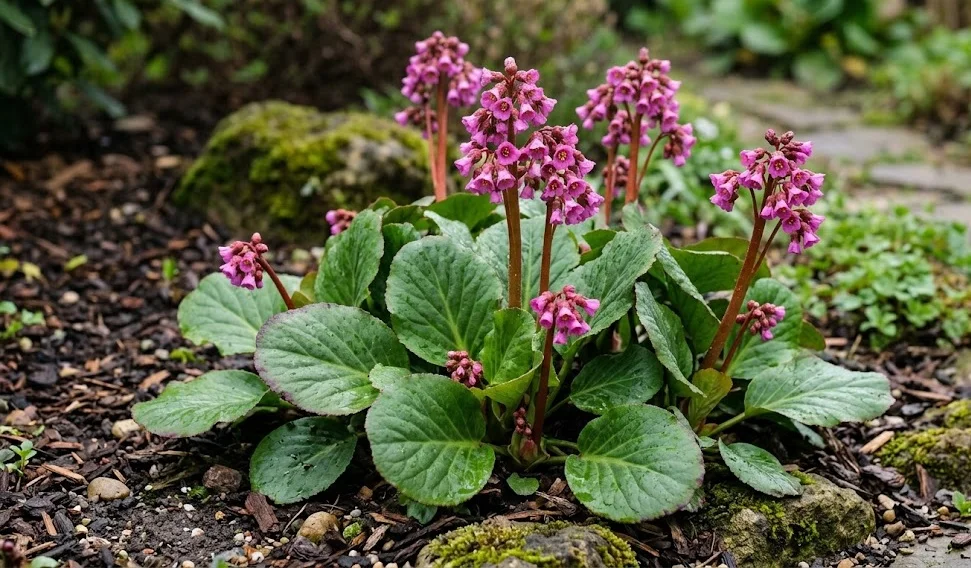

Developing a precise irrigation and nutrition strategy is essential for maintaining the lush, leathery foliage that makes elephant’s ears so distinctive. These plants are remarkably efficient at storing water in their thick stems and leaves, yet they require consistent soil moisture to reach their full potential. Without proper hydration and a steady supply of nutrients, the plants may become stunted or lose the vibrant color that defines their aesthetic value. Professional horticulturists emphasize the importance of balancing these two factors to create a resilient and visually striking ground cover.
Fundamentals of effective hydration
Understanding the specific water needs of these perennials starts with an assessment of their thick, waxy leaf structure. This physical adaptation allows them to withstand short periods of drought, but they are far from being desert plants. For the best growth, the soil should be kept consistently moist but never allowed to become waterlogged or swampy. A deep, thorough watering that penetrates the root zone is much more effective than frequent, shallow sprinkling.
The timing of your watering routine can significantly impact the health of the foliage and the overall efficiency of the plant. Watering early in the morning is generally considered the best practice, as it allows the leaves to dry off before the sun becomes too intense. This reduces the risk of fungal infections and ensures that the water reaches the roots before it can evaporate. If morning watering is not possible, late evening is an acceptable alternative, provided the foliage is not left excessively wet overnight.
Observing the plant’s reaction to environmental stress is a key skill for any gardener managing large leaf surfaces. During periods of extreme heat, the leaves may slightly droop or lose some of their turgidity as the plant tries to conserve moisture. This is a natural defense mechanism, but it should be met with an immediate check of the soil moisture levels. If the soil feels dry several inches below the surface, it is time to provide a generous amount of water to help the plant recover.
Using mulch to assist with hydration is a professional technique that pays dividends throughout the growing season. A layer of organic material helps to lock moisture into the ground and prevents the surface from drying out and cracking. This creates a more stable root environment and reduces the frequency of manual watering required. By managing the soil’s ability to hold water, you create a buffer that protects the plant from the fluctuations of the local weather.
More articles on this topic
Seasonal irrigation requirements
As the seasons change, so too must the approach to watering these broad-leaved perennials to match their physiological needs. In the spring, as new leaves begin to emerge and the plant prepares to bloom, water requirements are at their highest. The plant is actively expanding its root system and producing new tissue, both of which require a steady supply of hydration. Ensuring that the soil stays moist during this period of rapid development is critical for a successful growing season.
During the summer months, the focus shifts to maintaining the health of the existing foliage against the drying effects of heat and sun. In many regions, the natural rainfall is insufficient to keep the soil at the desired moisture level for these plants. You may need to supplement nature’s supply with regular irrigation, particularly for plants located in more exposed or sunnier parts of the garden. A consistent schedule helps the plant maintain its structural integrity and prevents the leaves from becoming brittle or scorched.
In the autumn, the plant’s metabolic rate begins to slow down as it prepares for the cooler winter months. Consequently, the frequency of watering should be gradually reduced to reflect this change in demand. Overwatering during this transitional period can be detrimental, as it may lead to root rot when the temperatures are no longer high enough to drive evaporation. Monitoring the natural rainfall and only intervening when the soil is noticeably dry is the best strategy for late-season care.
Winter irrigation is rarely necessary in most climates, especially if the ground is frozen or if there is regular snowfall. However, in regions with dry, windy winters and no snow cover, a light watering during a thaw can prevent the evergreen foliage from dehydrating. This is a subtle but important detail that professional gardeners attend to in order to ensure the plants look their best in the spring. Respecting the plant’s dormant cycle allows it to conserve energy for the upcoming year.
More articles on this topic
Nutrient requirements for robust growth
While elephant’s ears are not considered heavy feeders, they do require a balanced supply of nutrients to maintain their large leaf area. Nitrogen is particularly important for these plants, as it is the primary driver of foliage growth and the deep green color of the leaves. Phosphorus and potassium are also essential for root development and overall plant resilience against pests and environmental stress. A professional fertilization plan focuses on providing these elements in a way that supports steady, healthy growth.
The best time to apply fertilizer is in the early spring, just as the first signs of new growth appear at the crown. This provides the plant with the resources it needs to produce a strong flush of leaves and healthy flower stalks. A single application of a balanced, slow-release fertilizer is often enough to sustain the plant through the entire growing season. Avoiding excessive fertilization in late summer or autumn is important, as it can encourage soft new growth that is vulnerable to frost damage.
Micronutrients also play a vital role in the health of these perennials, even though they are needed in much smaller quantities. Elements like iron, magnesium, and manganese are crucial for the production of chlorophyll and the efficient functioning of the plant’s metabolic processes. If the leaves start to show unusual patterns of yellowing while the veins remain green, it may be an indication of a micronutrient deficiency. In such cases, a specialized foliar spray or a soil amendment can quickly correct the balance.
Soil testing is a highly recommended practice for any gardener who wants to take a scientific approach to plant nutrition. Knowing the exact nutrient profile and pH of your soil allows you to tailor your fertilization strategy to the specific needs of your plants. This prevents the over-application of certain minerals, which can be just as harmful as a deficiency. A professional gardener uses data to guide their decisions, resulting in a more efficient and effective care routine.
Organic vs mineral fertilization strategies
Choosing between organic and mineral fertilizers depends on your gardening goals and the specific conditions of your landscape. Organic options, such as well-rotted compost, manure, or bone meal, are excellent for improving the long-term health of the soil. These materials break down slowly, providing a steady stream of nutrients while also enhancing the soil’s structure and water-holding capacity. Many professionals prefer organic methods because they foster a healthy ecosystem of beneficial soil microbes.
Mineral fertilizers, on the other hand, offer a more immediate and precise delivery of nutrients to the plant. They are particularly useful if the plant is showing signs of a severe deficiency and needs a quick boost to recover. However, they do nothing to improve the physical structure of the soil and can sometimes lead to a buildup of salts if overused. Using mineral fertilizers as a targeted supplement rather than a primary food source is a common strategy in high-level horticulture.
Liquid fertilizers can also be employed for a quick response, especially during the peak of the growing season. These can be applied directly to the soil or as a foliar feed, where the nutrients are absorbed through the leaf surface. Foliar feeding is an effective way to deliver micronutrients directly to the tissue that needs them most. However, care must be taken to apply liquid feeds during the cooler parts of the day to avoid burning the large, sensitive leaves.
A hybrid approach often yields the best results for maintaining elephant’s ears over the long term. This involves using organic matter to build a healthy soil foundation and supplementing with targeted mineral applications during critical growth phases. This balanced method ensures that the plants have access to both long-term stability and immediate support. By considering the pros and cons of each fertilization type, you can create a customized plan that keeps your garden looking its absolute best.
Corrective measures for nutrient imbalance
Detecting and correcting a nutrient imbalance requires a keen eye for detail and a quick response to the plant’s visual cues. One of the most common issues is nitrogen deficiency, which manifests as a general paling or yellowing of the older leaves. If this is observed, a light application of a nitrogen-rich organic feed can help restore the plant’s vigor. It is important not to overreact, as too much nitrogen can lead to excessive foliage growth at the expense of root health.
On the opposite end of the spectrum, excessive fertilization can cause its own set of problems, including leaf burn or an increased susceptibility to pests. If the edges of the leaves appear scorched or if the plant seems to be growing at an unnaturally rapid pace, you may need to reduce your fertilization frequency. Flushing the soil with clean water can help wash away excess salts and bring the nutrient levels back into a healthy range. Maintaining a “less is more” philosophy often leads to more resilient and naturally beautiful plants.
Environmental factors can sometimes interfere with the plant’s ability to take up nutrients, even if they are present in the soil. For example, if the soil is too cold or too wet, the roots may not function efficiently, leading to temporary signs of deficiency. In these situations, the solution is not to add more fertilizer but to address the underlying environmental issue. Improving drainage or waiting for the soil to warm up is often the most effective way to restore the plant’s health.
Regularly reviewing your watering and fertilizing logs can help you identify patterns and prevent future imbalances. Gardening is a continuous learning process, and keeping track of what works and what doesn’t is the hallmark of a professional. By staying attentive to the needs of your elephant’s ears, you can adjust your care routine to ensure they remain a thriving part of your landscape. A proactive approach to nutrition and hydration is the key to achieving professional-level results in any garden.