
Lighting is one of the most critical factors in the successful cultivation of Indian pokeweed, as it directly influences everything from leaf size to berry production. While this plant is notably adaptable, finding the “sweet spot” in terms of solar exposure can transform it from a simple green filler into a magnificent garden centerpiece. As a professional gardener, you must understand how light interacts with the plant’s physiology to optimize its health and aesthetic appeal. By strategically positioning your Indian pokeweed, you can ensure it receives the energy it needs while avoiding the pitfalls of excessive exposure or deep shade.
The benefits of full sun exposure
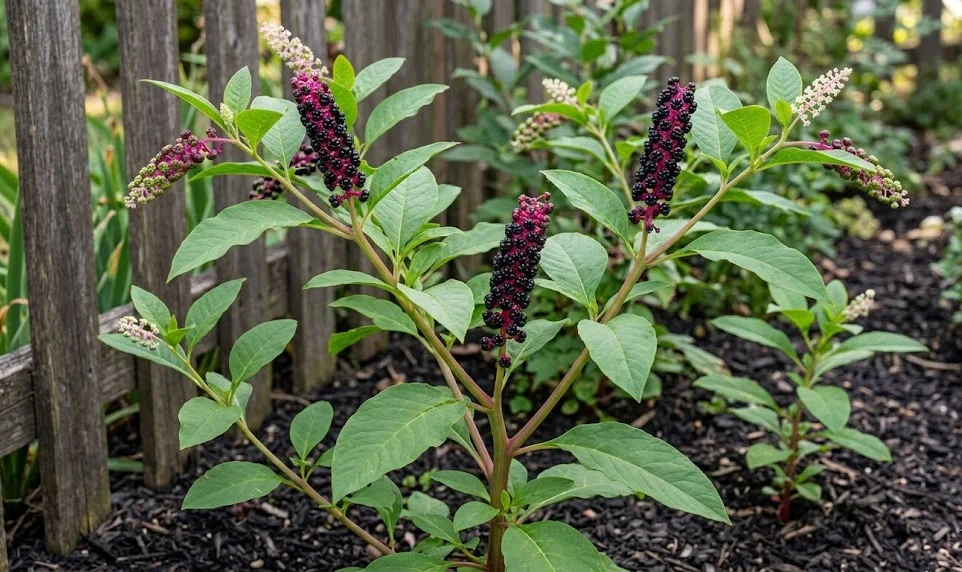
When grown in a location that receives full sun, the Indian pokeweed truly shows its full potential as a vigorous and architectural perennial. Full sun typically means at least six to eight hours of direct sunlight each day, which provides the energy necessary for rapid stem elongation and leaf development. In these conditions, you will notice that the stems often take on a deeper, more saturated reddish color, which adds to the plant’s ornamental value. The abundance of light also fuels the production of numerous flower racemes and the subsequent clusters of dark berries.
High light levels also contribute to a sturdier and more compact growth habit, as the plant does not need to “stretch” toward a distant light source. This means the stems are often thicker and more resistant to being knocked over by wind or heavy rain during the summer months. If you are looking for the most dramatic display of berries, a sunny spot is almost always the best choice for your garden. The warmth of the sun also helps the berries ripen more evenly and develop their characteristic glossy sheen.
However, growing in full sun requires that you pay extra attention to the plant’s moisture needs, as the large leaves can lose water very quickly. You should ensure that the soil is capable of holding enough water to support the plant during the hottest part of the day. A well-mulched base is essential in sunny locations to keep the roots cool and reduce the amount of water lost to evaporation. With the right balance of sun and water, the Indian pokeweed becomes a radiant and thriving feature of the landscape.
You should also consider the orientation of your garden when choosing a sunny spot for this species. A location with southern exposure will receive the most intense light, which is ideal for northern climates where the growing season might be shorter. In warmer southern regions, even a “full sun” plant might appreciate a little bit of relief during the peak intensity of the afternoon. Observing how the light moves through your garden throughout the day is the best way to find the perfect home for your pokeweed.
More articles on this topic
Adapting to partial shade conditions
The Indian pokeweed is surprisingly tolerant of partial shade, making it a versatile choice for gardens that don’t have a perfectly sunny spot. In these environments, the plant can still reach an impressive size, although its growth habit may be slightly more relaxed and open. You might notice that the leaves become even larger and more lush as the plant tries to maximize its surface area for capturing available light. This “shade-leaf” response can create a very beautiful, tropical effect in a woodland-style garden setting.
Partial shade can actually be beneficial in regions with exceptionally hot and dry summers, as it protects the plant from the most intense solar radiation. By providing some filtered light or afternoon shade, you can prevent the large leaves from suffering from sunscald or chronic wilting. The soil also tends to stay moist for longer in shaded areas, which can reduce the frequency of your watering tasks. This makes the plant a great option for those who want a low-maintenance but high-impact perennial in a semi-shaded border.
While the plant can handle less light, you should be aware that berry production may be slightly reduced in shaded locations. The flower racemes might be fewer in number, and the berries may take a bit longer to reach their final deep purple color. Additionally, the stems might not develop the same intense reddish-purple hue that is common in sun-grown specimens. Despite these subtle differences, the Indian pokeweed remains a striking and healthy plant when given at least a few hours of good light each day.
When planting in a shaded area, it is important to ensure that air circulation remains good to prevent fungal issues like powdery mildew. Shaded spots can sometimes be more humid and slower to dry out after rain, which can create a hospitable environment for pathogens. You should also be careful not to plant it in deep, heavy shade where it might become leggy and weak as it searches for light. A “dappled” shade environment, such as under the canopy of a high-branching tree, is often an ideal compromise.
More articles on this topic
Managing light-related stress
Even a hardy plant like the Indian pokeweed can experience stress if the light conditions are not quite right for its needs. Sunscald is a common issue for plants that have been moved from a nursery or a shaded area directly into intense, all-day sun. You will see this as white or tan, papery patches on the leaves where the tissue has literally been “burned” by the UV rays. To prevent this, you should gradually acclimate young plants to their new light environment over a period of a week or two.
On the other end of the spectrum, too much shade can lead to a condition known as etiolation, where the plant becomes excessively tall and “leggy.” This happens because the plant is putting all its energy into vertical growth to find more light, often at the expense of stem strength and leaf density. These stretched-out plants are much more likely to flop over and may require staking to keep them upright. If you see this happening, it might be a sign that the plant needs to be moved to a brighter location in the following spring.
The direction of light can also influence the shape of your Indian pokeweed, as the stems will naturally lean toward the strongest source of illumination. If you have the plant near a wall or a dense hedge, you might find that it grows asymmetrically as it reaches out for the sun. You can manage this by occasionally thinning the plant or by placing it in a more open spot where light hits it from multiple angles. This ensures a more balanced and aesthetically pleasing silhouette as the plant matures.
Regularly observing your plant at different times of the day will help you understand its unique relationship with light. You might find that a certain corner of your garden stays in deep shadow longer than you realized, or that a particular spot is a “heat trap” for afternoon sun. Being aware of these microclimates allows you to make better decisions for all the plants in your care. Your goal is to provide a stable environment where the Indian pokeweed can perform its best without being constantly stressed by its surroundings.
Seasonal light changes and positioning
As the seasons progress from spring to autumn, the angle and intensity of the sun change, affecting how much light your Indian pokeweed receives. In the early spring, when the trees have not yet fully leafed out, the plant may get more sun than it will in the height of summer. This early burst of energy is great for getting the new shoots started on a strong growth trajectory. You should consider these seasonal shifts when planning your garden layout to ensure long-term success for your perennials.
The transition into autumn also brings changes in light that trigger the plant’s preparation for dormancy and the ripening of its fruit. The lower angle of the autumn sun can create beautiful backlighting through the translucent berries, a view that is highly prized by many garden photographers. This is the time when the plant’s light needs decrease as it slows down its metabolic processes and moves its resources to the roots. Understanding these natural rhythms allows you to appreciate the plant’s beauty throughout its entire life cycle.
When deciding where to place a new Indian pokeweed, think about how the light will look in that spot throughout the entire growing season. A spot that looks sunny in April might be completely shaded by a nearby maple tree by July. You can use your gardening journal to track the sun’s path across your yard at different times of the year to identify the most stable locations. This professional approach to site selection is one of the keys to creating a low-maintenance and high-reward garden.
Finally, remember that the Indian pokeweed is a plant that “lives large,” and its light requirements should be balanced with its physical presence. It needs enough light to fuel its massive growth, but it also needs enough space to ensure that its own leaves don’t shade out the lower parts of the plant too much. By giving it a prominent, well-lit position, you allow it to become the structural anchor that your garden deserves. Your careful management of light will be rewarded with a spectacular display of foliage and fruit every year.