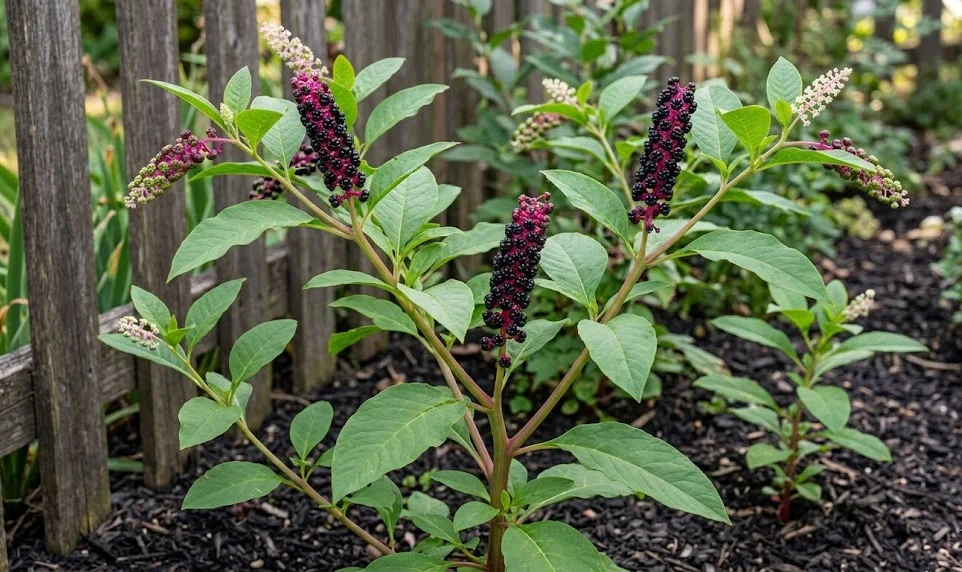

Pruning is a vital tool for the gardener who wishes to maintain the shape, health, and manageability of the Indian pokeweed. Because this perennial is such a vigorous grower, understanding when and how to remove stems or foliage is key to preventing it from overwhelming its neighbors. Proper pruning techniques not only improve the plant’s appearance but also encourage better air circulation and can even extend its decorative season. By taking a professional approach to cutting back, you can enjoy all the benefits of this architectural plant while keeping its enthusiastic growth under control.
Structural pruning for size management
One of the main reasons for pruning the Indian pokeweed is to manage its significant height and spread within the garden. If you find that the plant is growing too tall for its intended space, you can perform a “soft” pruning in the early summer by cutting the main stems back by about a third. This technique, often used on many tall perennials, encourages the plant to branch out and develop a bushier, more compact habit. While it may slightly delay the appearance of the first flowers, the resulting plant is often more stable and fits better in a mixed border.
Regularly thinning out the stems can also help maintain a cleaner silhouette and prevent the plant from becoming too dense in the center. By removing some of the weaker or thinner stems at the base, you direct more energy into the stronger, more productive ones. This selective pruning also improves air movement through the foliage, which is a key factor in preventing fungal diseases like leaf spot or powdery mildew. It’s a simple way to keep the plant looking its best while also promoting its long-term health.
If the plant begins to lean or sag under the weight of its own foliage and berries, you may need to do some corrective pruning to restore its balance. Removing a few of the heavier outer branches can lighten the load and help the central stalk remain upright without the need for artificial supports. You should always step back and look at the plant from several angles before making your cuts to ensure you are maintaining a natural and pleasing shape. This “sculptural” approach to pruning is what separates a professional gardener from a casual hobbyist.
Always use a sharp, clean pair of pruning shears to ensure that your cuts are quick and don’t damage the plant’s delicate vascular system. Because the stems of the Indian pokeweed are succulent, they are very easy to cut, but they can also be prone to tearing if your tools are dull. After each pruning session, it’s a good habit to wipe your blades with a disinfectant to avoid spreading any potential pathogens. Taking care of your tools is just as important as taking care of the plants themselves.
More articles on this topic
Deadheading and berry management
Deadheading, or the removal of spent flower spikes, is an important technique for managing both the look and the reproduction of the Indian pokeweed. If you want to prevent the plant from self-seeding all over your garden, you should remove the flower racemes as soon as the blooms fade but before the berries begin to harden. This stops the seed production cycle while still allowing you to enjoy the lush green foliage for the remainder of the season. It is a highly effective way to keep this vigorous plant from becoming a nuisance.
However, many gardeners grow the Indian pokeweed specifically for its stunning dark berries, so you may choose to leave the spikes in place until the fruit is fully ripe. If you do this, you should monitor the clusters and remove them once they have provided their visual interest or served as a food source for local birds. Removing the heavy berry clusters late in the season can also help the stems stand upright for longer as the plant enters its autumn decline. It’s all about finding the right balance between beauty and control.
When you are cutting the flower or berry spikes, make your cut just above a set of healthy leaves or a lateral bud to encourage the plant to stay tidy. This prevents you from leaving unsightly “stubs” that can dry out and become an entry point for pests. If you are handling the ripe berries, be aware that their juice is a potent dye and can easily stain your hands, clothes, and even garden paths. You might want to wear gloves and move carefully when working with the mature fruit to avoid any purple messes.
For those who want a continuous supply of flowers, some light deadheading in the mid-summer can occasionally stimulate a second flush of blooms. While not as dramatic as the first wave, these later flowers can extend the ornamental season of the plant well into the autumn. This type of active management keeps the garden looking fresh and dynamic even as other summer plants begin to fade. Your role as a gardener is to guide the plant’s natural energy toward the goals you have for your landscape.
More articles on this topic
Annual cutting back for winter rest
The most dramatic pruning of the year occurs in the late autumn or early winter, when the Indian pokeweed has finished its growth cycle for the season. Once the first few hard frosts have killed the foliage and the stems have turned brown, it is time to cut the entire plant back to the ground. This clearing away of the old, dead material is a professional standard that keeps the garden tidy and prepares the site for next year’s growth. It also removes potential overwintering sites for insects and fungal spores that could cause problems in the spring.
You should cut the stems down to within two or three inches of the soil surface, being careful not to nick the crown where the next year’s buds are already dormant. Using a large pair of loppers can make quick work of the thick, hollow stems that have become more fibrous over the summer. All the removed material can be added to your compost pile, provided it was not heavily infested with pests or disease. This “clean slate” approach is one of the most satisfying chores of the autumn gardening season.
Some gardeners choose to leave the dried stems standing for a bit longer, especially if they provide a bit of winter structure or if the birds are still visiting for late-season seeds. If you go this route, make sure to finish the cutting back before the first signs of green appear in the spring. Trying to prune away old, brittle stems once the new growth has started can be difficult and runs the risk of damaging the tender young shoots. Setting a clear schedule for your winter maintenance ensures that you stay ahead of the plant’s rapid growth cycle.
After cutting back, it’s a great time to apply a fresh layer of mulch over the crown of the plant to protect it through the coldest months. This layer of organic material acts as a blanket, regulating soil temperature and providing a bit of slow-release nourishment for the spring. This cycle of growth, pruning, and protection is the natural rhythm of a perennial garden. Your commitment to this annual routine ensures that your Indian pokeweed will return with renewed vigor and beauty year after year.
Rejuvenation and troubleshooting through pruning
If you have an older Indian pokeweed that has become overly woody or seems to be losing its vigor, a rejuvenation pruning can sometimes help. This involves cutting the entire plant back more aggressively or thinning out a larger percentage of the older stems to make room for new growth. While the plant is generally long-lived, these occasional “refreshes” can stimulate the root system and lead to a more productive and healthy specimen. It’s a proactive way to manage the life cycle of a long-term garden inhabitant.
Pruning is also your first line of defense when you notice any physical damage or localized signs of disease on the plant. If a storm breaks a branch or if you see a section of leaves covered in fungal spots, you should remove the affected parts immediately. Cutting back to healthy tissue prevents the damage from spreading and allows the plant to focus its energy on healing and new growth. This “surgical” pruning is an essential skill for any gardener who wants to maintain a high level of plant health.
You should also be aware of any suckers or seedlings that might appear around the base of the parent plant. While not technically pruning the main specimen, removing these unwanted newcomers is part of the overall management of the species in your garden. Keeping the area around the base of your pokeweed clear ensures that it doesn’t have to compete for resources with its own offspring. This keeps the focus on your main architectural feature and prevents the garden from becoming a tangled thicket.
Finally, remember that pruning is an art as much as a science, and every cut you make is a decision about the future of the plant. Over time, you will develop a “feel” for how the Indian pokeweed responds to different types of pruning in your specific climate. Don’t be afraid to experiment with different heights or thinning techniques to find what looks best in your space. Your hands-on experience and professional attention to detail are the best tools you have for creating a beautiful and sustainable garden.