
The successful overwintering of the Indian pokeweed is a process that begins long before the first frost settles on the garden. While this perennial is known for its hardiness in many climates, taking specific steps to prepare the root system and the planting site will ensure a vigorous return in the spring. Understanding the transition into dormancy and the protection required during the coldest months is key to maintaining a healthy specimen over many years. By following a professional overwintering routine, you can safeguard the life of your plant and set the stage for another season of impressive growth.
Preparing for the transition to dormancy
As the days grow shorter and the temperatures begin to drop in late autumn, the Indian pokeweed naturally starts its shift toward a dormant state. You will notice the vibrant green of the leaves fading into shades of yellow and brown, and the succulent stems becoming more fibrous and brittle. This is a clear signal that the plant is pulling its energy and nutrients back into the large taproot for storage during the winter. You should avoid any heavy pruning or fertilization during this time, as the plant needs to complete this process undisturbed.
During this transitional period, it is helpful to gradually reduce your supplemental watering if the weather has been dry. Allowing the soil to dry out a bit more than usual encourages the plant to recognize the change in season and enter dormancy more effectively. However, you should ensure that the ground is not bone-dry when the first hard freezes arrive, as some moisture in the soil helps to insulate the roots. Finding the right balance of hydration is a subtle but important part of autumn garden care.
Cleaning up around the base of the plant is another essential task as the growing season comes to an end. Removing fallen leaves and any old fruit prevents the buildup of pests or diseases that might want to overwinter in the debris. If you have had any issues with fungal spots during the summer, it is particularly important to clear away this material and dispose of it properly. A tidy site reduces the risk of problems emerging when the new shoots appear in the following spring.
You should also take this time to mark the location of your Indian pokeweed, especially if you plan to cut the stems back to the ground. Because the plant disappears completely during the winter, it is easy to accidentally dig into the crown when doing early spring chores. A simple garden stake or a small stone can serve as a reminder of where the sleeping giant is located. This prevents any accidental damage to the root system during the dormant months.
More articles on this topic
Managing the stems and foliage
Deciding when and how to cut back the stems of the Indian pokeweed is a choice that many gardeners consider as winter approaches. Once the foliage has completely died back after a few hard frosts, the stems will become soft and eventually collapse under their own weight. You can choose to cut them back to within a few inches of the ground to create a neat appearance for the winter garden. This also makes it much easier to apply a protective layer of mulch over the crown of the plant.
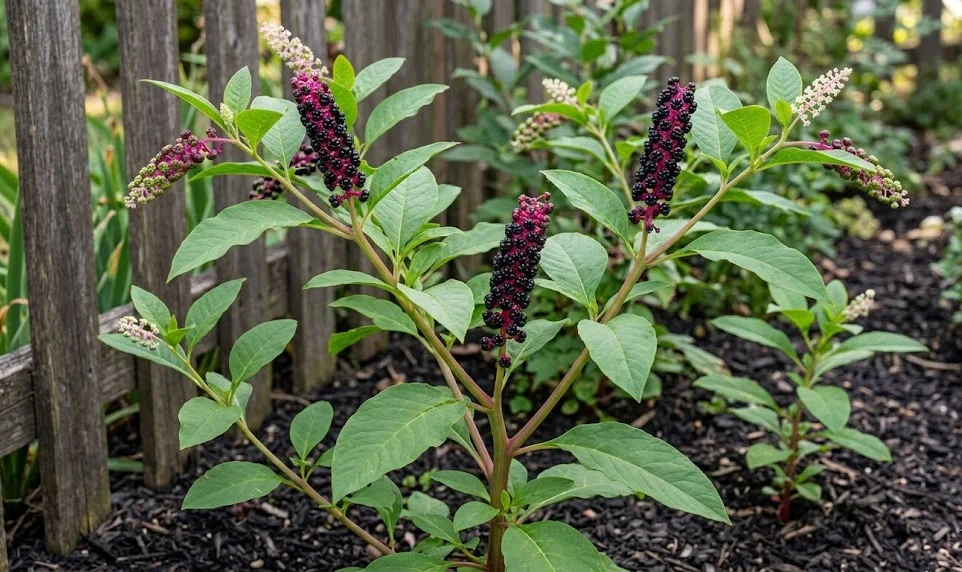
Some gardeners prefer to leave the skeletons of the plant standing through the early winter to provide a bit of architectural interest and food for birds. The dried berry clusters can be a valuable resource for local wildlife when other food sources become scarce in the landscape. If you choose this path, you should still plan to cut the stems back before the new growth starts in the spring to avoid a cluttered look. Both approaches are valid, depending on your personal aesthetic and the needs of your local ecosystem.
When you do cut the stems, use a sharp set of bypass pruners to make clean cuts that won’t tear the tissue of the crown. The stems are quite thick but usually easy to cut because of their succulent nature, even when they have dried out. You might want to wear gloves during this process, as the sap can still be present in the lower parts of the plant. Disposing of the old stems in a compost pile is generally fine, provided they were healthy and free of significant disease.
By removing the old growth, you also make it easier to inspect the crown of the plant for any signs of physical damage or pests. It gives you a clear view of the area where the next year’s buds will eventually emerge from the soil. This simple act of maintenance is a satisfying way to close out the gardening year and prepare for the quiet of winter. Your attention to these details ensures that the plant is ready for its period of rest.
More articles on this topic
Protecting the root system
The root system of the Indian pokeweed is its most vital organ, and protecting it from extreme temperature fluctuations is the goal of overwintering. In regions with very cold winters or those prone to cycles of freezing and thawing, a thick layer of mulch is highly beneficial. You can use straw, shredded leaves, or wood chips to create an insulating blanket over the crown of the plant. This layer helps to keep the soil temperature more consistent and prevents the “heaving” that can happen when the ground freezes and expands.
In areas where the winter is particularly wet, you must ensure that the protection you provide does not trap too much moisture against the crown. While insulation is important, the fleshy roots of the pokeweed can be prone to rot if they are kept in a soggy environment for months on end. Choosing a breathable mulch like straw or coarse leaves is often better than using a heavy, matted material that could suffocate the plant. Monitoring the drainage around the plant during winter thaws is also a professional practice.
If you are growing the Indian pokeweed in a container, the overwintering process is slightly more involved because the roots are more exposed to the cold. You might need to move the container to a more sheltered spot, such as against a south-facing wall or into an unheated garage or shed. Wrapping the pot in burlap or bubble wrap can provide the extra insulation needed to keep the roots from freezing solid. Container-grown plants are more vulnerable, so they require a bit more attention during the winter months.
For those in extremely cold climates, you might even consider adding a temporary cover over the mulched area during the worst of the winter storms. This isn’t usually necessary for established plants in temperate zones, but it can provide peace of mind for newly planted or rare specimens. The key is to remember that the Indian pokeweed is a hardy survivor that has adapted to cold winters in its native range. Trust in the plant’s natural resilience while providing a helping hand where it is needed most.
Spring awakening and recovery
The end of the overwintering process is marked by the first signs of warmth and the gradual awakening of the garden in the spring. You should keep a close eye on the spot where you marked your Indian pokeweed, as the new shoots can be quite dramatic when they first emerge. Once the danger of severe frost has passed, you can slowly begin to pull back the protective mulch from the crown. This allows the sun to warm the soil and encourages the new growth to push through the surface.
Be careful not to be too hasty in removing all the protection if your area is prone to late-season “cold snaps” that can damage tender new shoots. You might choose to leave a light layer of mulch around the base of the plant to provide ongoing protection and moisture retention. As the shoots grow taller, they will quickly become more robust and less sensitive to minor temperature changes. This is the time to start your regular spring maintenance routine and prepare for the explosive growth to come.
If the winter was particularly harsh, the plant might take a little longer to emerge than usual, so don’t give up on it too soon. The deep taproot is often well-protected even if the surface soil was quite cold for an extended period. Once the growth starts, you will see the incredible vigor that makes the Indian pokeweed such a successful perennial. This is also a great time to apply a fresh layer of compost to give the plant the nutrients it needs for the new season.
Overwintering is a recurring cycle that becomes easier each year as you get to know the specific microclimate of your garden. Each successful spring return is a testament to your skill as a gardener and the resilience of this fascinating plant. By providing a stable and protected environment during the winter, you ensure that the Indian pokeweed remains a highlight of your landscape. Your commitment to year-round care pays off in the lush, towering beauty that defines the summer months.