
Mastering the balance of water and nutrients is essential for cultivating a healthy and visually stunning Indian pokeweed. Although this perennial is remarkably adaptable, providing it with the right amount of hydration and food during its peak growth cycles will significantly enhance its performance. Understanding how the plant’s needs change from the cool spring through the heat of summer allows you to manage your resources effectively while achieving professional results. Proper irrigation and fertilization not only support the plant’s immediate growth but also ensure its long-term vitality and resilience in the garden.
Understanding hydration requirements
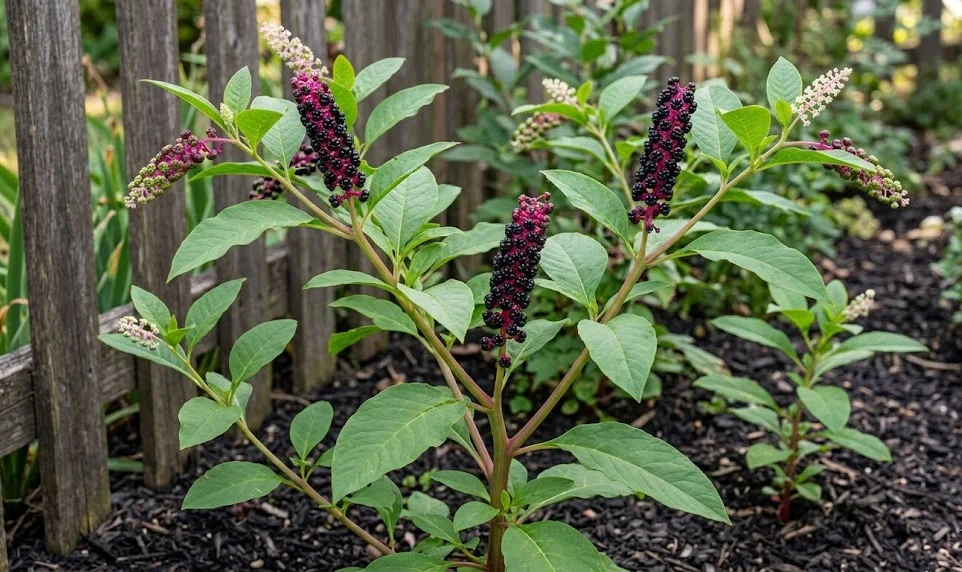
The Indian pokeweed is a thirsty plant, especially during its rapid growth phase in the late spring and early summer. Because it produces such large, succulent leaves and stems, it has a high rate of transpiration and requires a steady supply of moisture. You should aim to keep the soil consistently damp but not saturated, as the plant prefers an even level of hydration. During periods of extreme heat, you might notice the leaves wilting slightly in the afternoon, which is a sign that the plant needs a deep drink.
Deep watering is far more effective for the Indian pokeweed than frequent, shallow sprinkling of the surface soil. By applying water slowly and deeply, you encourage the taproot to grow further down into the earth, where moisture levels are more stable. This deeper root system makes the plant much more resilient during short periods of drought later in the season. You can use a soaker hose or a drip irrigation system to deliver water directly to the root zone, which also keeps the foliage dry.
Seasonal adjustments to your irrigation routine are necessary as the weather patterns shift throughout the year. In the spring, the natural rainfall is often enough to support the emerging shoots, but as the temperature rises, you must step in with manual watering. By late summer, when the berries are ripening, the plant’s water needs may decrease slightly, but you should still monitor the soil moisture. Once the plant enters dormancy in the autumn, you can stop supplemental watering altogether, as the root system is resting.
Water quality is generally not a major concern for this hardy species, but using rainwater is always a great choice for any garden plant. If you are using municipal water, it is best to apply it at the base of the plant to avoid getting any chemicals or salts directly on the leaves. Keeping the foliage dry also reduces the risk of fungal diseases, which can sometimes occur in humid conditions. Consistent and thoughtful irrigation is the backbone of a successful care plan for the Indian pokeweed.
More articles on this topic
Nutritional needs and timing
Fertilizing the Indian pokeweed should be done with an understanding of its natural growth rhythm and the goal of supporting its large structure. In the early spring, just as the new growth begins to poke through the soil, a balanced application of nutrients can provide a helpful boost. This initial feeding supports the development of the strong stems that will eventually carry the weight of the flowers and fruit. You can use a slow-release granular fertilizer or a layer of rich organic compost spread around the base of the plant.
Nitrogen is the primary nutrient that drives the impressive foliage growth for which the pokeweed is known. However, you should be careful not to overdo it with high-nitrogen fertilizers, as this can lead to excessive, soft growth that may collapse under its own weight. A balanced fertilizer, often labeled as 10-10-10, provides a more stable mix of nitrogen, phosphorus, and potassium. This ensures that the plant develops a strong skeletal structure and a healthy root system alongside its lush leaves.
The timing of your last fertilizer application is just as important as the first one you do in the spring. You should avoid feeding the plant after mid-summer, as late-season fertilization can encourage new growth that won’t have time to harden off before the first frost. This tender new growth is highly susceptible to cold damage and can weaken the overall health of the perennial. By stopping fertilization in July, you allow the plant to focus its energy on ripening its seeds and preparing for winter.
Organic options are highly effective for the Indian pokeweed and contribute to the long-term health of your garden soil. Liquid seaweed or fish emulsion can be used as a mid-season pick-me-up if the plant looks like it needs a little extra support. These organic fertilizers provide a wide range of trace minerals that might be missing from standard synthetic products. Building a healthy soil ecosystem through organic practices is the most sustainable way to nourish your plants year after year.
More articles on this topic
The role of organic matter and mulch
Incorporating organic matter into the soil is one of the best things you can do for the irrigation and nutrition of your Indian pokeweed. Compost, aged manure, or decomposed leaves improve the soil’s ability to hold onto water while also providing a slow-release source of nutrients. This creates a “buffer” in the soil, making it easier for the plant to handle fluctuations in moisture and nutrient availability. You should try to add a fresh layer of organic matter to the soil surface every spring.
Mulching is a direct partner to irrigation, as it significantly reduces the amount of water lost to evaporation from the soil surface. A thick layer of wood chips, straw, or shredded bark helps keep the root zone cool and moist even during the hottest July days. This means you won’t have to water as frequently, saving both time and resources in your garden maintenance. Mulch also suppresses weeds that would otherwise compete with the pokeweed for water and nutrients.
As the mulch breaks down over time, it continues to feed the soil and improve its overall structure. This cycle of decomposition mimics the natural forest floor environment where many Phytolacca species originally thrived. By maintaining a mulch layer, you are encouraging earthworms and beneficial microbes to do the work of aerating the soil for you. This living soil structure allows the deep taproot of the Indian pokeweed to penetrate the earth more easily and access deeper resources.
When applying mulch, remember to leave a small gap around the base of the stems to prevent moisture from being trapped against the plant’s crown. This simple step prevents the risk of crown rot, which can be a problem in heavy or overly wet soils. The goal is to protect the roots while allowing the above-ground parts of the plant to breathe and stay dry. Using mulch effectively is a professional technique that pays off in the overall health and appearance of the specimen.
Monitoring for signs of stress
Learning to read the visual cues of the Indian pokeweed will help you adjust your irrigation and fertilization routines as needed. Wilting leaves are the most obvious sign of water stress, but you should also look for yellowing or crispy edges on the foliage. If the plant is consistently dry, it may fail to produce a full crop of berries or might even drop its leaves prematurely. Regular checks of the soil moisture with your finger or a moisture meter can prevent these issues before they become severe.
Nutrient deficiencies often manifest as specific changes in leaf color or growth patterns that you should learn to identify. For example, a lack of nitrogen might cause the entire plant to look pale or stunted, while a potassium deficiency could lead to browning at the leaf margins. If you notice these signs, it may be time to reassess your fertilization strategy or conduct a soil test. Addressing these problems early ensures that the plant remains vigorous and resistant to other stresses.
Over-watering and over-fertilizing can be just as damaging as providing too little, so you must find the middle ground. Signs of over-watering include yellowing leaves that feel mushy and a general lack of vigor despite plenty of moisture. Similarly, over-fertilizing can lead to a buildup of salts in the soil, which can burn the roots and cause the leaf tips to turn brown. Always follow the manufacturer’s instructions on fertilizer packaging and let the soil dry out slightly between waterings.
Keeping a record of when you water and fertilize can help you spot patterns and refine your care over several growing seasons. You might find that the plant needs more frequent attention during particularly windy weeks or during a specific stage of its flowering cycle. Being an observant gardener allows you to provide a high level of care that is tailored to the unique conditions of your site. Your attention to detail will be reflected in the lush, healthy growth of your Indian pokeweed.
Long-term strategies for sustainability
A sustainable approach to irrigation and fertilization involves working with the natural environment rather than against it. By choosing the right location for your Indian pokeweed and building healthy soil, you reduce the need for constant human intervention. Over time, an established plant with a deep root system and a rich soil environment will become nearly self-sufficient. This long-term view is at the heart of professional gardening and results in a more resilient and beautiful landscape.
Consider implementing a rainwater harvesting system to provide the highest quality water for your garden while reducing your environmental impact. Rainwater is naturally soft and free from the chemicals often found in treated tap water, making it ideal for the succulent tissues of the pokeweed. It also allows you to continue gardening responsibly even during periods of local water restrictions. Small changes in how you manage resources can make a big difference in the overall health of your garden ecosystem.
Focus on building “soil capital” through the consistent use of organic amendments rather than relying solely on quick-fix synthetic fertilizers. This approach creates a stable and nutrient-rich environment that supports not only the pokeweed but all the life in your garden. Healthy soil is more efficient at holding water and processing nutrients, which ultimately saves you work in the long run. It is an investment in the future beauty and productivity of your horticultural space.
Finally, remember that every garden is unique, and what works in one location might need adjustment in another. Be willing to experiment and learn from your own observations as you care for your Indian pokeweed over the years. The relationship between a gardener and their plants is one of constant learning and adaptation. Your commitment to understanding the needs of this fascinating perennial will ensure it continues to thrive for many seasons to come.