
The presence of fool’s parsley in agricultural landscapes and private gardens poses a significant challenge for growers who prioritize safety and yield quality. This deceptive weed belongs to the carrot family and is notorious for its striking resemblance to edible herbs, which often leads to dangerous confusion during harvest. Effective management requires a deep understanding of its biological cycle and the specific environmental conditions that allow it to thrive in diverse soil types. By implementing a comprehensive strategy that combines identification, prevention, and targeted control, farmers can successfully mitigate the risks associated with this toxic plant.
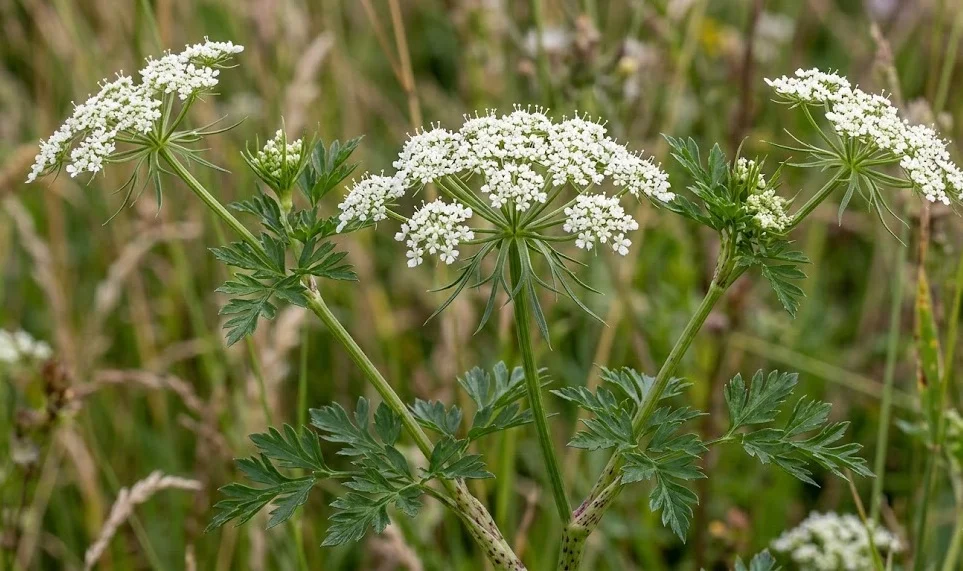
Distinguishing this weed from culinary parsley or chervil involves a careful examination of the plant’s physical structure and olfactory properties. Unlike its edible counterparts, this plant lacks the characteristic aromatic scent when the leaves are crushed, often emitting a faint, unpleasant odor instead. The underside of the leaves is typically shiny, which serves as a helpful visual marker for field scouts and gardeners alike. Observing these fine details during the early vegetative stage is essential for preventing the accidental inclusion of toxic material in food or fodder supplies.
The floral structure provides further clues for professional identification, especially during the peak flowering months of mid-summer. It produces small, white flowers arranged in compound umbels, which are characteristic of many plants in the Apiaceae family. A defining feature is the presence of three long, downward-pointing bracteoles located at the base of each partial umbel, which are not found on similar-looking edible plants. These “beards” are a definitive morphological trait that experts use to confirm the presence of the weed in a dense canopy of vegetation.
Growth habits and stem characteristics also offer valuable diagnostic information for those managing infested areas. The stems are hollow, finely grooved, and often display a slight bluish or reddish tint towards the base, which distinguishes them from the solid green stems of many common herbs. The plant typically reaches a height of thirty to eighty centimeters, depending on the nutrient availability and moisture levels of the site. Recognizing these structural nuances allows for more precise intervention and prevents the waste of resources on misidentified species.
Ecological niches and distribution patterns
Fool’s parsley demonstrates a remarkable ability to adapt to various environmental conditions, though it shows a strong preference for nitrogen-rich, loamy soils. It is frequently found in vegetable gardens, sugar beet fields, and areas where the soil has been recently disturbed or heavily fertilized. The plant thrives in temperate climates and is particularly aggressive in regions with consistent rainfall throughout the growing season. Understanding these habitat preferences helps agriculturalists predict where infestations are most likely to occur and prioritize those areas for monitoring.
The distribution of this species is largely facilitated by its high seed production and the longevity of its seed bank within the soil. A single plant can produce hundreds of seeds that are capable of remaining dormant for several years until the right conditions for germination arise. This persistence makes it a long-term problem for field management, as seeds can be easily transported by farm machinery, irrigation water, or even animal movement. Mapping the history of a field’s infestation is crucial for developing a multi-year eradication plan that addresses the hidden seed reservoir.
Light availability plays a critical role in the development and competitive success of this weed within a crop canopy. While it can tolerate partial shade, it reaches its full reproductive potential in open areas where it does not have to compete heavily for solar energy. In densely planted crops, the weed may grow taller and more spindly as it reaches for light, which can make it more susceptible to lodging. By managing crop density and ensuring a closed canopy as early as possible, growers can naturally suppress the growth of this opportunistic species.
Temperature fluctuations also influence the germination patterns, with most seedlings emerging in the late spring and early summer. The plant is sensitive to extreme frost in its early stages, but established individuals are relatively hardy until the final seed set is complete. In areas with mild winters, some individuals may even exhibit biennial behavior, though it is primarily treated as an annual weed in most agricultural contexts. Tracking local weather data can assist in timing cultivation practices to coincide with the most vulnerable periods of the plant’s life cycle.
Toxicological impact and health considerations
The primary concern regarding this weed is its high level of toxicity, which is attributed to the presence of polyacetylene compounds and various alkaloids. These toxins, particularly cynapine, are distributed throughout the plant, with the highest concentrations often found in the roots and seeds. Ingestion can lead to severe gastrointestinal distress, neurological symptoms, and, in extreme cases, respiratory failure in both humans and livestock. Maintaining a zero-tolerance policy for this plant in food-producing areas is a matter of public health and safety.
Livestock are particularly at risk when grazing in infested pastures or when consuming contaminated hay and silage. While many animals instinctively avoid the plant due to its acrid taste, the risk increases significantly when the weed is dried and mixed with other forage. Horses and cattle may show signs of poisoning such as drooling, dilated pupils, and uncoordinated movements shortly after consumption. Veterinary intervention is often necessary to manage the symptoms, making preventive pasture management a much more cost-effective solution than medical treatment.
Human exposure usually occurs through accidental ingestion when the plant is mistaken for garden herbs like parsley or cilantro. Because the symptoms can mimic other types of food poisoning, it is essential for medical professionals to be aware of the local prevalence of toxic weeds. Skin contact with the sap can also cause irritation or phytophotodermatitis in sensitive individuals, especially when exposed to direct sunlight. Wearing protective gloves and long sleeves during manual weeding operations is a mandatory safety protocol for anyone handling these plants.
The chemical stability of the toxins means that they do not break down quickly during traditional composting or silage fermentation processes. This persistence poses a challenge for waste management, as contaminated plant material should never be added to compost piles intended for garden use. The safest way to dispose of harvested weeds is through deep burial or incineration to ensure that the toxins and seeds are completely neutralized. Educating seasonal workers and hobby gardeners about these risks is a vital component of a community-wide safety initiative.
Preventive strategies in crop management
Preventing the introduction of weed seeds into clean fields is the most effective and economical way to manage the spread of this toxic species. This begins with the use of certified, weed-free crop seeds and a strict protocol for cleaning equipment when moving between different parcels of land. Harvesters, tractors, and even hand tools can harbor small seeds in mud or debris, inadvertently starting a new infestation. Establishing a dedicated cleaning station at the edge of the farm can significantly reduce the risk of cross-contamination.
Crop rotation is a powerful tool in the agriculturalist’s arsenal for breaking the life cycle of persistent weeds. By alternating between broadleaf crops and cereals, growers can utilize different herbicide groups and cultivation timings that target the weed at various stages. Including competitive cover crops in the rotation helps to occupy the soil surface during fallow periods, preventing the weed from establishing a foothold. A diverse rotation schedule makes the field environment less predictable and less hospitable for any single weed species.
Soil fertility management also influences the competitive balance between the crop and the weed population. Since this species thrives in high-nitrogen environments, over-fertilization can inadvertently promote its growth over the desired crop. Using precision agriculture techniques to apply nutrients only where and when they are needed can help minimize the excess nitrogen available to opportunistic weeds. Balanced soil health, including appropriate pH levels and organic matter content, supports a vigorous crop that is better equipped to outcompete intruders.
Maintaining clean borders and irrigation ditches is often overlooked but remains a critical aspect of preventive management. Weeds growing in these uncultivated areas can easily shed seeds into the adjacent fields or have their seeds carried by water systems. Regularly mowing or treating these perimeter zones prevents the weed from reaching maturity and producing a new generation of seeds. A holistic approach to farm hygiene ensures that the entire landscape is managed as a single ecosystem, leaving no refuge for toxic invaders.
Mechanical intervention and manual removal
In smaller gardens or organic farming systems, mechanical and manual control methods are often the primary means of suppressing the weed population. Hand-pulling is highly effective if done when the soil is moist, as this allows for the removal of the entire taproot without breaking it. It is essential to perform this task before the plant begins to flower to prevent any potential seed dispersal during the removal process. Consistent effort over several growing seasons is required to deplete the existing seed bank and achieve long-term control.
Hoeing and shallow cultivation are effective techniques for managing young seedlings that have not yet developed a deep root system. These methods work by severing the roots from the shoots or by burying the small plants under a layer of dry soil, where they quickly desiccate. For best results, mechanical cultivation should be performed on a sunny day when the disturbed weeds will dry out rapidly. Care must be taken to avoid damaging the roots of the desired crops while ensuring that the weed-infested areas are thoroughly worked.
Mulching provides a physical barrier that prevents weed seeds from receiving the light they need to germinate and grow. Thick layers of organic mulch, such as straw or wood chips, can be very effective in garden beds and around the base of perennial crops. For larger scale operations, plastic mulches or landscape fabrics are often used in high-value vegetable production to maintain a weed-free environment. This approach not only suppresses weeds but also helps to conserve soil moisture and regulate soil temperature, benefiting the overall crop health.
Flame weeding is a specialized technique that uses intense heat to rupture the cell walls of the weed, causing it to wither and die. This method is particularly useful for controlling weeds on paths or in pre-emergence situations where a herbicide-free approach is preferred. While it does not kill the roots of mature plants, it is very effective against young seedlings of this species. Operators must exercise caution to prevent accidental fires and should only use this method under appropriate weather conditions and with the correct equipment.
Chemical control and herbicidal efficacy
When mechanical methods are insufficient for large-scale infestations, the strategic use of herbicides becomes a necessary component of an integrated pest management plan. Selective herbicides that target broadleaf weeds while leaving grasses and certain crops unharmed are commonly employed in cereal and corn production. The timing of the application is the most critical factor, as young, actively growing plants are far more susceptible to chemical treatments than mature, woody individuals. Consult with a local agronomist to determine the most effective active ingredients for the specific crop and soil conditions.
Soil-applied herbicides can provide a layer of residual protection that prevents the emergence of weed seedlings over an extended period. These products are often applied shortly after planting but before the crop or the weeds have broken through the soil surface. This early intervention reduces the initial weed pressure and gives the crop a significant head start in the competition for resources. However, the efficacy of these treatments is highly dependent on soil moisture and organic matter content, requiring careful calibration of application rates.
Post-emergence treatments are used to control weeds that have already established themselves within the growing crop. Systemic herbicides are particularly useful because they are absorbed by the leaves and translocated throughout the entire plant, including the root system. This ensures a more complete kill and reduces the likelihood of regrowth from the taproot. It is vital to follow the label instructions regarding wind speed and temperature to prevent chemical drift from damaging neighboring sensitive crops or natural habitats.
Managing herbicide resistance is a growing concern in modern agriculture and requires a proactive approach to chemical selection. Rotating between different modes of action prevents the weed population from developing a tolerance to a specific class of chemicals. Integrating chemical control with cultural and mechanical practices further reduces the selection pressure on the weed population. Keeping detailed records of herbicide use and efficacy helps growers make informed decisions and maintain the long-term viability of their chemical tools.
Sustainable monitoring and site remediation
Long-term success in controlling this toxic weed depends on a commitment to regular monitoring and a quick response to any new outbreaks. Scouting the fields at multiple points during the growing season allows for the identification of survivors or late-emerging individuals. GPS mapping of infested areas can help track the progress of eradication efforts and identify patterns in the weed’s spread across the farm. Early detection is much more cost-effective than dealing with a widespread infestation that has already gone to seed.
Post-harvest management is an often overlooked phase of weed control that can have a significant impact on the following year’s pressure. After the main crop is removed, the field should be inspected for any weeds that may have flourished under the late-season sun. If a significant population is present, a light cultivation or a targeted herbicide application can prevent these plants from adding to the soil’s seed bank. Leaving the field clean over the winter reduces the starting population for the next spring’s planting.
Restoring the competitive ability of the soil through cover cropping and proper nutrient management is a key part of site remediation. In areas where heavy infestations have been cleared, planting a dense, fast-growing cover crop can help suppress any remaining seeds that attempt to germinate. This green manure also improves soil structure and promotes a healthy microbial community that can help break down weed seeds more quickly. A healthy ecosystem is naturally more resistant to the invasion of opportunistic and toxic species like this one.
Community cooperation and information sharing are essential for managing weeds that do not respect property boundaries. Working with neighbors to control infestations along shared borders and roadsides helps prevent the continuous re-introduction of seeds into treated fields. Participating in local agricultural extensions or gardening groups provides access to the latest research and successful management techniques used by other professionals. By working together, land managers can create a more resilient and safer agricultural landscape for everyone involved.