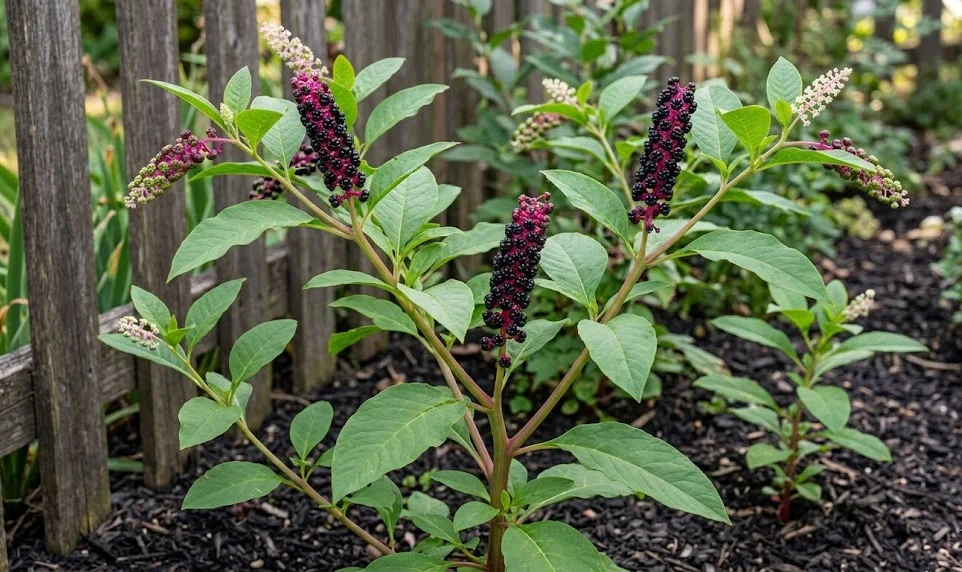

Establishing the Indian pokeweed in your garden is a rewarding endeavor that begins with selecting the perfect location and understanding its unique reproductive cycle. This plant is known for its resilience, but giving it a strong start through proper planting techniques will ensure it grows into a magnificent specimen. Whether you are starting from seed or attempting to divide an existing plant, the process requires a blend of horticultural knowledge and a bit of physical effort. By following professional guidelines, you can successfully integrate this bold perennial into your landscape with confidence.
Choosing the ideal site for planting
The first step in a successful planting project is identifying a spot that meets the specific environmental needs of the Indian pokeweed. You should look for a location that receives full sun to partial shade, as this will encourage the most robust growth and vibrant berry production. In areas with very hot summers, a bit of afternoon shade can prevent the large leaves from wilting under the intense midday sun. Consider the ultimate size of the plant, ensuring there is enough vertical and horizontal space for it to expand.
Soil conditions at the planting site should be assessed carefully to provide the best possible start for the young plant. The Indian pokeweed prefers a site with deep, fertile soil that offers a balance of moisture retention and drainage. If you are planting in an area with compacted soil, you will need to spend some time loosening it to a significant depth to accommodate the taproot. Adding organic compost to the planting hole will provide the initial burst of nutrients needed for quick establishment.
Air circulation is an often-overlooked factor when choosing a site for this particular perennial species. Because of its dense foliage and potential for significant height, the plant needs good airflow to prevent fungal issues from developing in the center of the canopy. Avoid planting it in a cramped corner or directly against a solid wall where the air might become stagnant. A more open position will also allow you to appreciate the plant’s architectural form from all sides as it matures.
Proximity to other plants is a final consideration, as the Indian pokeweed is a competitive grower once it takes hold. You should place it far enough away from delicate or slow-growing species that might be overwhelmed by its fast-paced development. Think of it as a background plant or a focal point that needs its own “breathing room” to shine. Proper spacing at the time of planting prevents the need for difficult relocations or heavy pruning later in the season.
More articles on this topic
Sowing seeds for new generations
Starting Indian pokeweed from seed is a popular and effective way to introduce the plant to your garden. The seeds are naturally programmed to undergo a period of cold stratification before they will germinate successfully in the spring. You can mimic this process by sowing the seeds directly into the ground in late autumn, allowing the winter weather to break their dormancy. Alternatively, you can store the seeds in a damp medium in your refrigerator for several weeks before sowing them indoors.
When sowing the seeds, you only need to cover them with a thin layer of fine soil, as they do not require deep burial to sprout. If you are starting them in pots, use a high-quality seed-starting mix that provides excellent drainage and a light texture. Keep the soil consistently moist but never saturated, as the developing seedlings are sensitive to fungal dampening-off. Once the first true leaves appear, you will see the characteristic vigor of the plant starting to show.
Transplanting seedlings requires a gentle touch to avoid damaging the young and fragile root systems. You should wait until the seedlings are several inches tall and have developed a strong enough structure to handle the transition to the garden. It is best to transplant them on a cloudy day or in the late afternoon to reduce the stress caused by direct sunlight. Provide plenty of water immediately after planting to help the roots settle into their new environment.
Patience is key when growing this species from seed, as the first year is often dedicated more to root establishment than to massive top growth. You might not see flowers or berries in the very first season, but this is a normal part of the plant’s development. By the second year, the established root system will fuel the rapid growth that the Indian pokeweed is famous for. Each successful seedling represents a potential centerpiece for your garden beds in the years to come.
More articles on this topic
Division and vegetative propagation
While seeds are the most common method of propagation, it is possible to divide Indian pokeweed, though it requires more physical effort due to the taproot. The best time for this procedure is in the early spring, just as the first signs of new growth are beginning to emerge from the soil. You will need a sharp spade and perhaps a garden fork to carefully lift the entire root mass from the ground. Be prepared for the sheer weight and size of an established root system, which can be surprisingly substantial.
Once the root is out of the ground, you can use a clean, sharp knife to divide the crown into several sections. Each section must have at least one healthy bud or “eye” and a portion of the root system to ensure it can regrow. This process is similar to dividing other large perennials like peonies or hostas, but the fleshy nature of the pokeweed root requires extra care. Make sure your cuts are clean to minimize the risk of infection or rot in the newly planted sections.
Replanting the divisions should be done as quickly as possible to prevent the exposed roots from drying out in the air. Dig a hole for each new section that is large enough to accommodate the root without bending or cramping it. Firm the soil around the base of the division and water it thoroughly to eliminate any air pockets in the planting hole. You should monitor these new plants closely for the first few weeks to ensure they are recovering well from the division process.
It is important to note that because of the deep taproot, divisions may take a season to fully regain their former size and vigor. However, this method allows you to create exact clones of a particularly desirable specimen you might already have in your garden. Vegetative propagation is a great way to expand your collection or share the plant with fellow gardening enthusiasts. With proper technique, these divisions will soon become independent and thriving members of your landscape.
Establishing the young plants
The first few months after planting are the most critical period for the long-term success of your Indian pokeweed. You should ensure that the young plants receive consistent moisture as they work to push their roots deeper into the subsoil. While the plant will eventually become quite drought-tolerant, it lacks that resilience during its initial establishment phase. A regular watering schedule during the first summer will pay dividends in the health of the plant for years to come.
Mulching around the base of newly planted specimens is highly recommended to protect the developing root zone. A layer of organic mulch helps keep the soil moist and prevents weeds from competing with the young pokeweed for nutrients. Be careful not to pile the mulch directly against the stems, as this can encourage rot in the succulent plant tissue. As the mulch breaks down, it will also improve the soil fertility, providing a slow-release source of nourishment.
Watching for pests and diseases is especially important when the plants are still small and vulnerable to damage. While the Indian pokeweed is generally hardy, young leaves can be attractive to certain insects or affected by early-season fungal spots. Identifying these issues early and addressing them with organic methods will keep the plant on a healthy growth trajectory. A strong, healthy start is the best defense against any potential problems that might arise later in the season.
Finally, take the time to enjoy the process of watching your Indian pokeweed establish itself and grow. There is something truly impressive about the speed at which this plant transforms from a small seedling into a towering garden feature. By providing the right conditions and a little bit of initial care, you are setting the stage for a long-lasting relationship with this unique plant. Your efforts in planting and propagation will be rewarded with years of architectural beauty and ecological interest.