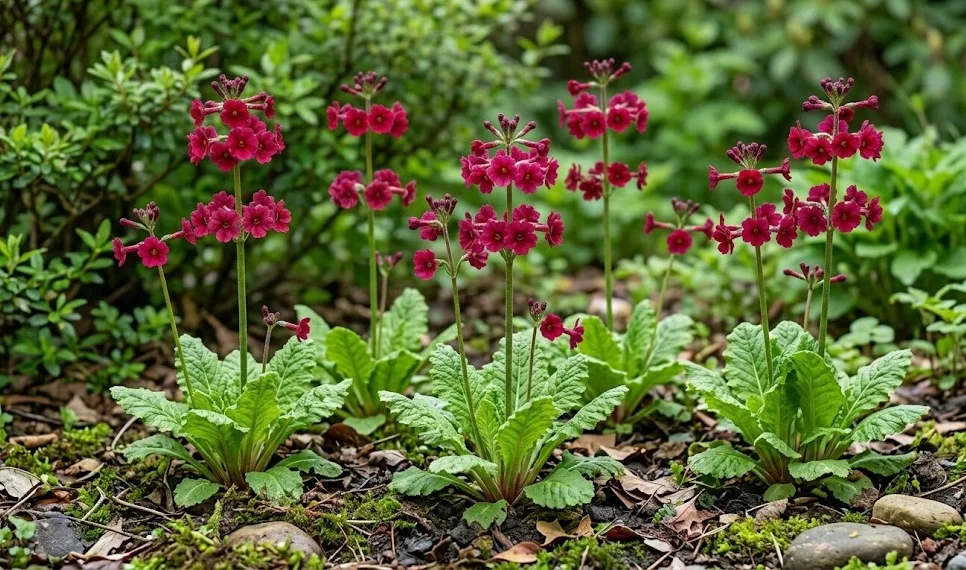

Ensuring that your perennials survive the coldest months of the year is a vital part of maintaining a long-lived and successful garden collection. These plants are remarkably hardy in the right conditions, but they do require a bit of preparation to face the challenges of ice, snow, and fluctuating temperatures. Understanding the dormancy cycle of these moisture-loving flowers is the key to seeing them return with even more vigor every spring. With a few simple steps, you can protect the dormant crowns and ensure a spectacular floral display for many years to come.
Preparing for dormancy
As the days grow shorter and the temperatures begin to drop in the autumn, you will notice your plants naturally starting to shut down. The large, lush leaves will begin to turn yellow and eventually wither, which is a sign that the plant is moving its energy into the crown and roots. You should not be tempted to cut these leaves off too early, as the plant is still extracting valuable nutrients from them. Let the foliage die back naturally to provide a bit of initial protection for the base of the plant.
Once the foliage has completely withered, you can choose to leave it in place or trim it back to within an inch of the soil. Leaving the dead leaves can provide a natural mulch that protects the crown from the first light frosts of the season. However, if you have had issues with slugs or fungal diseases, it might be better to remove the debris and replace it with fresh, clean mulch. The goal is to keep the crown protected without creating a haven for pests that could damage the plant during the winter.
You should ensure that the plants are well-hydrated as they enter their dormant phase, as dry roots are much more susceptible to frost damage. If the autumn has been particularly dry, continue to water your primrose beds until the first hard freeze of the year. Moist soil holds heat better than dry soil, providing a more stable environment for the roots during the transition to winter. A well-hydrated plant is a resilient plant that is much more likely to survive extreme weather.
Finally, check the labels or your garden records to remind yourself where each plant is located, as they will completely disappear from view in the winter. Using small markers or stakes can prevent you from accidentally digging them up or stepping on them during early spring maintenance. Knowing exactly where your dormant crowns are allows you to provide targeted protection if a particularly harsh cold snap is predicted. A little bit of organization in the autumn goes a long way in the spring.
More articles on this topic
Mulching for protection
Applying a layer of organic mulch is the most effective way to insulate the soil and protect the dormant crowns from extreme temperature swings. You should wait until the ground has started to cool down but before the first deep freeze to apply your winter mulch. A three-inch layer of bark chips, shredded leaves, or straw works wonders for keeping the ground temperature stable. This layer acts as a blanket, preventing the “heaving” of the soil that can expose roots to the cold air.
You must be careful not to pile the mulch directly on top of the crown itself, as this can trap too much moisture and lead to rot. Instead, create a ring of mulch around the base of the plant, leaving a small gap in the center where the new growth will emerge. This strategy provides the insulation the roots need while allowing the crown to breathe during the wet winter months. If you use a very light material like straw, you may need to weigh it down with a few evergreen branches to keep it from blowing away.
In areas with very harsh winters and little snow cover, you might consider using evergreen boughs as an extra layer of protection. These branches provide excellent insulation while still allowing for air circulation and preventing the soil from becoming too compacted. They also help to catch and hold snow, which is nature’s own perfect insulator for dormant perennials. Simply lay the branches over your primrose beds after the ground has frozen for the season.
In the spring, you should be ready to pull the mulch back gradually as the temperatures begin to rise and the first signs of life appear. Don’t remove it all at once, as a late spring frost can still damage the tender new shoots that have been protected all winter. Removing the mulch in stages allows the plant to slowly acclimate to the changing conditions and prevents a sudden shock to the system. This careful transition is the final step in a successful overwintering strategy.
More articles on this topic
Winter moisture management
While these plants love moisture during the growing season, winter is a time when excessive water can actually become a significant threat. If the soil becomes waterlogged and then freezes solid, the resulting ice can expand and crush the delicate tissues of the crown. You must ensure that your garden beds have enough drainage to prevent water from pooling around the dormant plants. If you have them planted in a low-lying area, you might need to dig a small diversion trench to channel excess winter rain away.
If you are growing your primroses in containers, you must be even more careful about winter moisture and drainage. Pots can easily become saturated with rain or melting snow, leading to root rot even in the middle of winter. You should move your containers to a sheltered spot, such as against a south-facing wall or under a porch, where they are protected from the worst of the weather. Elevating the pots on “feet” or bricks will also help the water drain away more freely from the bottom.
In very cold climates, the main danger is often desiccation, which occurs when the ground is frozen and the plant cannot take up any water. This is particularly problematic if there are strong, drying winds that pull moisture out of the dormant tissues. Providing a windbreak or a layer of mulch can help mitigate this risk and keep the plants hydrated through the coldest months. If you have a period of thaw during the winter, check the soil and provide a light watering if it feels bone-dry.
The goal of winter moisture management is to maintain a balance where the roots stay damp but the crown stays relatively dry and aerated. This can be a challenge in maritime climates where the winters are wet and mild, as the plants may not go into a deep dormancy. In such cases, good air circulation and the removal of soggy debris are your best tools for preventing rot. Pay close attention to the weather patterns in your specific area and adjust your care accordingly.
Signs of a successful winter
The first sign that your overwintering efforts have been successful will be the appearance of small, green “noses” poking through the soil in the spring. Depending on your climate, this usually happens in late February or March as the soil begins to warm up. You will see the center of the crown starting to expand and the first tiny leaves beginning to unfurl from their tight winter bundle. This is an exciting time for any gardener, signaling that the cycle of growth is starting once again.
If you notice that some plants are slower to emerge than others, do not lose hope immediately, as different varieties have different schedules. Some might be tucked into a slightly cooler microclimate that takes longer to thaw out in the spring. Give them a few weeks of consistent warmth before you conclude that a plant has not survived the winter. You can gently clear away a bit of soil to check for firm, healthy-looking tissue if you are really worried.
A successful winter will result in a plant that is vigorous and ready to grow rapidly as soon as the spring rains arrive. You should see a strong rosette of leaves forming quickly, followed by the development of the characteristic flower spikes. If the plant emerges looking weak or stunted, it may have suffered some minor frost damage or root rot during the winter. In these cases, a light feeding and careful watering can often help the plant recover and regain its strength.
Once the danger of hard frost has passed and the plants are growing strongly, you can celebrate a job well-behaved. The beauty of these tiered flowers is a wonderful reward for the care and attention you provided during the long winter months. Take a moment to assess what worked well and what you might change for next year to make the process even more effective. Every winter is a learning experience that makes you a better and more resilient gardener.