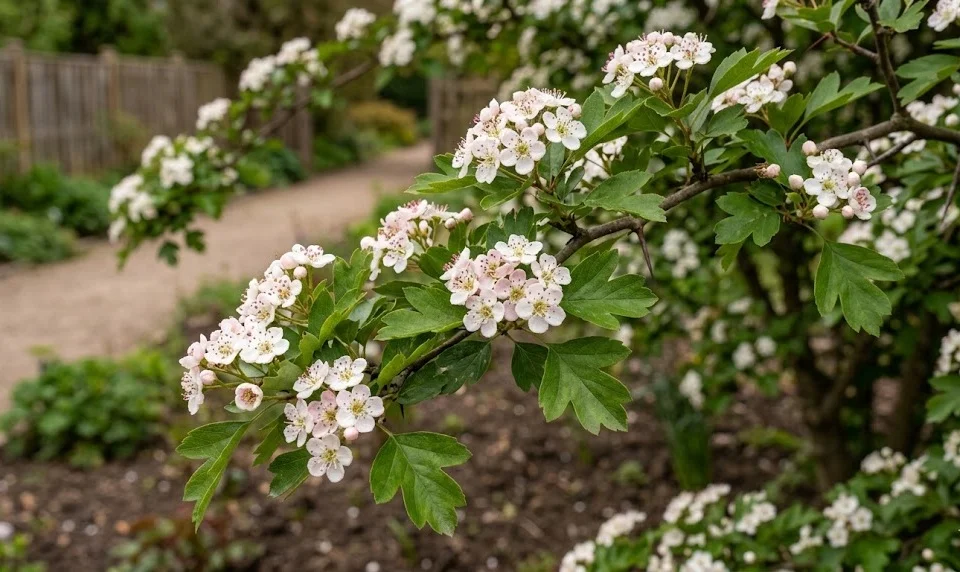

Preparing the midland hawthorn for the challenges of the winter season is an essential task for ensuring its continued health and vitality into the next year. While this species is natively adapted to temperate climates with cold winters, extreme weather events or improper care can still cause significant damage to even the hardiest specimens. A professional approach to overwintering involves a series of steps designed to protect the tree’s vascular system, roots, and future growth buds. By taking proactive measures in the autumn, you can rest assured that your hawthorn will emerge from its dormancy ready for a vigorous spring.
The primary goal of overwintering is to manage the plant’s transition into a state of dormancy where its metabolic processes slow down significantly. As the days shorten and temperatures drop, the hawthorn naturally begins to pull nutrients from its leaves back into its woody structures and roots. This internal preparation is vital for creating the energy reserves needed for the following year’s blossoms and foliage. You can support this process by avoiding any late-season fertilization that might encourage tender new growth that would be easily killed by the first frost.
Hydration is a critical but often overlooked factor in the successful overwintering of any deciduous tree or shrub. Even though the tree has lost its leaves and is not actively growing, its root system still requires a base level of moisture to survive the cold months. If the autumn has been particularly dry, it is important to provide several deep waterings before the ground freezes solid for the winter. Moist soil holds heat better than dry soil, which provides a small but significant buffer for the roots against extreme temperature fluctuations.
Protecting the physical structure of the tree from the weight of snow and the force of winter winds is another important consideration. While the midland hawthorn is sturdy, its dense branching pattern can catch a significant amount of heavy, wet snow, leading to broken limbs. Young or newly planted trees are particularly vulnerable to being pushed over or damaged by high winter gales. Taking the time to assess the structural integrity of the tree before the first storm arrives can prevent many common types of winter damage.
Protecting the root zone and trunk
The root system is the heart of the midland hawthorn, and protecting it from the “freeze-thaw” cycle is a top priority for winter care. When the ground freezes and thaws repeatedly, it can cause the soil to heave, which may expose the roots to cold air or even physically push young saplings out of the ground. A thick layer of organic mulch, such as wood chips or shredded leaves, acts as a thermal blanket that stabilizes soil temperatures throughout the winter. Apply this mulch in a wide circle around the tree, ensuring it is at least three to four inches deep for maximum insulation.
More articles on this topic
Trunk protection is especially important for young midland hawthorns, whose bark is still relatively thin and sensitive to environmental and biological stressors. During the winter, the bark can be damaged by a phenomenon known as sunscald, which occurs when the warm afternoon sun activates the tree’s cells followed by a rapid freeze at sunset. This can cause the bark to crack and split, creating permanent scars and entry points for diseases. Using a light-colored tree wrap or a plastic guard can reflect the sun’s rays and keep the trunk temperature more consistent.
Wildlife can also pose a significant threat to the bark of the hawthorn during the winter months when other food sources are scarce. Rabbits, deer, and voles may gnaw on the base of the trunk or the lower branches, which can girdle the tree and cut off its supply of water and nutrients. Installing a cylinder of hardware cloth or a sturdy plastic mesh around the trunk is an effective way to keep these hungry visitors at bay. Ensure the guard is tall enough to protect the tree even if there is a significant accumulation of snow on the ground.
Monitoring the mulch layer throughout the winter ensures that it continues to provide the necessary protection for the roots. Occasionally, heavy rains or wind can displace the mulch, leaving parts of the root zone exposed to the elements. A quick check after a major storm allows you to reposition the material and maintain the insulating barrier. This simple act of vigilance goes a long way in ensuring that the most sensitive parts of the tree remain safe during the coldest periods of the year.
Managing late winter and early spring transitions
The period of late winter, as the ground begins to thaw and the first signs of life appear, is a delicate time for the midland hawthorn. This is often when the risk of moisture stress is highest, as the warming air can stimulate the tree to begin using water before the frozen ground allows the roots to absorb it. If you notice a dry spell during a late winter thaw, a supplemental watering can be very beneficial for the tree’s internal hydration. This early support helps the tree move smoothly from dormancy into the active growth phase of the spring.
More articles on this topic
Pruning during the late dormant season is a professional technique used to shape the tree and remove any winter damage before the new buds break. By waiting until the worst of the winter weather has passed, you can easily identify any branches that have been killed by the cold or broken by snow. Making clean, precise cuts during this time allows the tree to begin healing immediately as its growth hormones become active in the spring. This is also the ideal time to thin out the interior of the canopy to improve the light and air circulation for the coming season.
Observing the buds as they begin to swell provides valuable insights into how well the tree has weathered the winter months. Healthy buds should be firm and show a hint of green or brown, depending on the specific variety and the stage of development. If you notice many shriveled or blackened buds, it may indicate that the tree suffered from extreme cold or a lack of moisture during its dormancy. This information helps you adjust your care plan for the following year to provide even better protection.
The transition to spring also brings the return of many pests and diseases that may have been overwintering in the garden debris. Performing a “spring cleaning” around the base of your hawthorn by removing any remaining old mulch and replacing it with fresh material can reduce the initial pest pressure. This is also a good time to inspect the trunk guards and ties to ensure they are not becoming too tight as the tree begins its annual growth. A smooth transition out of winter sets the stage for a spectacular display of flowers and healthy foliage.
Assessing winter damage and recovery
Sometimes, despite our best efforts, the winter season can leave its mark on even the most well-protected midland hawthorn. Winter dieback, where the tips of the branches turn brown and fail to leaf out in the spring, is a common occurrence after particularly severe cold snaps. In most cases, a healthy tree will simply grow new shoots from the living wood further down the stem. You should wait until the tree has fully leafed out before pruning away the dead material to ensure you are only removing what is truly gone.
Salt damage is another issue that can become apparent in the spring, especially for trees planted near sidewalks or roads that are treated for ice. Excessive salt in the soil can interfere with the roots’ ability to take up water, leading to symptoms that look like drought stress or chemical burns on the new leaves. If you suspect salt accumulation, flushing the root zone with large amounts of fresh water as soon as the ground thaws can help wash away the harmful minerals. This proactive step can prevent long-term damage to the tree’s vascular system.
Heaving of the soil, as mentioned earlier, can sometimes leave a young hawthorn leaning or with its roots partially exposed after the winter. If this happens, you should gently push the tree back into a vertical position and firm the soil around the roots as soon as the ground is workable. Adding extra mulch and perhaps a temporary stake can help the tree re-establish its footing during the spring rainy season. Most young trees are remarkably resilient and will recover quickly if their roots are tucked back into the earth promptly.
In conclusion, successful overwintering of the midland hawthorn is a combination of autumn preparation, winter monitoring, and spring assessment. By understanding the plant’s needs during its dormant phase, you can provide the specific support it needs to survive and thrive. A professional gardener knows that the work done in the cold months is just as important as the care provided during the growing season. With a thoughtful and consistent approach, your midland hawthorn will continue to grow in beauty and strength for many winters to come.