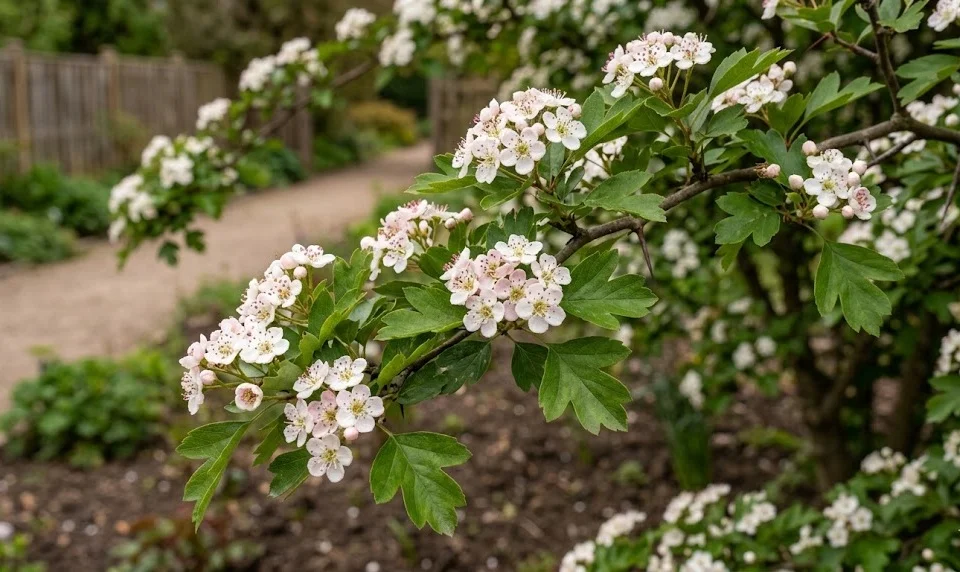

The professional pruning of the midland hawthorn is an art form that balances the natural beauty of the tree with the practical requirements of the landscape. This species is remarkably resilient and responds well to cutting, whether you are aiming for a formal hedge, a sculptural specimen, or a rejuvenated old tree. Proper pruning not only enhances the visual appeal of the hawthorn but also promotes its health by improving airflow and removing potential entry points for disease. By following a few expert principles, you can manage the growth of your hawthorn with confidence and precision.
The best time to prune a midland hawthorn is during its dormant season, typically in late winter or early spring before the new growth begins. At this time, the structure of the tree is clearly visible without its leaves, allowing you to make more informed decisions about which branches to remove. Pruning during dormancy also minimizes the stress on the plant and reduces the risk of attracting certain pests that are active during the warmer months. While light thinning can be done at other times, major structural work should always be reserved for the winter rest period.
Formative pruning is the process of shaping a young hawthorn during its first few years to establish a strong and balanced framework. The goal is to encourage a single central leader or several well-spaced main branches that will support the canopy as the tree matures. You should remove any competing leaders, as well as branches that are growing too close together or at narrow angles that might eventually split. This early investment in the tree’s structure will prevent many common structural problems and ensure a more beautiful form in the future.
Maintaining the health of the tree is the primary objective of routine pruning for established midland hawthorns. This involves the removal of the “three Ds”: dead, damaged, and diseased wood, which should be cut back to healthy tissue as soon as it is noticed. You should also look for “suckers” growing from the base of the trunk or “water sprouts” growing vertically from the main branches, as these sap the tree’s energy without contributing to its structure. Keeping the center of the canopy open allows for better light penetration and air circulation, which are vital for preventing fungal infections.
Techniques for hedging and formal shapes
The midland hawthorn is one of the finest species for creating dense, impenetrable hedges that provide both security and a beautiful backdrop for the garden. To create a successful hawthorn hedge, you must begin pruning early and be prepared to cut the plants back quite hard in their first few years. This encourages the plants to branch out from the base, creating a thick wall of foliage that reaches all the way to the ground. A hedge that is not pruned correctly in its youth will often become thin and “leggy” at the bottom, which is difficult to correct later.
More articles on this topic
When maintaining an established hedge, a professional technique is to trim the sides so that the bottom is slightly wider than the top, creating a “tapered” or “A-shape.” This allows sunlight to reach the lower branches, ensuring they stay healthy and green instead of dying off due to shade from the upper growth. Most hawthorn hedges require at least one major trimming a year, usually in late summer after the main growth spurt has finished. If you want a very neat and formal appearance, a second light trim in the early spring can help refine the shape.
Tools are a critical component of successful pruning, and using the right ones will make the job safer for both you and the tree. Sharp bypass pruners are ideal for small twigs, while loppers or a pruning saw may be needed for thicker branches. Because of the hawthorn’s namesake thorns, wearing heavy-duty gloves and long sleeves is essential for protecting yourself during the pruning process. Always clean and disinfect your tools before moving from one tree to another to prevent the accidental spread of pathogens like fire blight.
For those who wish to grow the midland hawthorn as a topiary or a specifically shaped specimen, the pruning process is more frequent and detailed. These formal shapes require constant attention to maintain their clean lines and prevent any vigorous shoots from breaking the silhouette. While this takes more effort than a naturalistic approach, the results can be a stunning architectural feature in a formal garden. The key to success with formal shapes is consistency, as it is much easier to remove small amounts of new growth frequently than to perform major surgery on an overgrown plant.
Rejuvenation and specialized pruning
Older, neglected midland hawthorns can often be brought back to their former glory through a process known as rejuvenation pruning. This involve the strategic removal of old, unproductive wood over a period of several years to encourage the growth of vigorous new stems. You should never remove more than about one-third of the total canopy in a single season, as this can be too stressful for an aging tree. This gradual approach allows the tree to maintain its energy levels while slowly shifting its resources toward new, healthy growth.
More articles on this topic
In some cases, a technique called “coppicing” can be used to completely renew a hawthorn that has become too large or sparse. This involves cutting the entire plant back to within a few inches of the ground during its dormant season. While it may seem drastic, the hawthorn will respond with a flush of rapid, healthy new shoots that can be shaped into a fresh new shrub or hedge. This is a common practice in traditional woodland management and is a testament to the remarkable resilience of this species.
Pollarding is another specialized pruning technique where the main branches are cut back to a specific point each year to maintain a desired size and shape. This creates a distinctive “knobby” appearance at the ends of the branches and results in a dense head of new foliage each spring. While not as common for hawthorns as it is for willows or limes, it can be a useful management tool in urban areas where space is limited. Once you begin a pollarding routine, it must be continued for the life of the tree to maintain its health and appearance.
In conclusion, pruning is a vital part of the professional care cycle for the midland hawthorn, offering benefits for both beauty and health. Whether you are shaping a young sapling, maintaining a formal hedge, or rejuvenating an old veteran, the principles of careful observation and precise cutting remain the same. By respecting the natural growth habit of the tree while providing the necessary guidance, you can ensure that your hawthorn remains a centerpiece of the landscape. With the right tools and a bit of patience, the task of pruning becomes a rewarding way to connect with the living history of your garden.