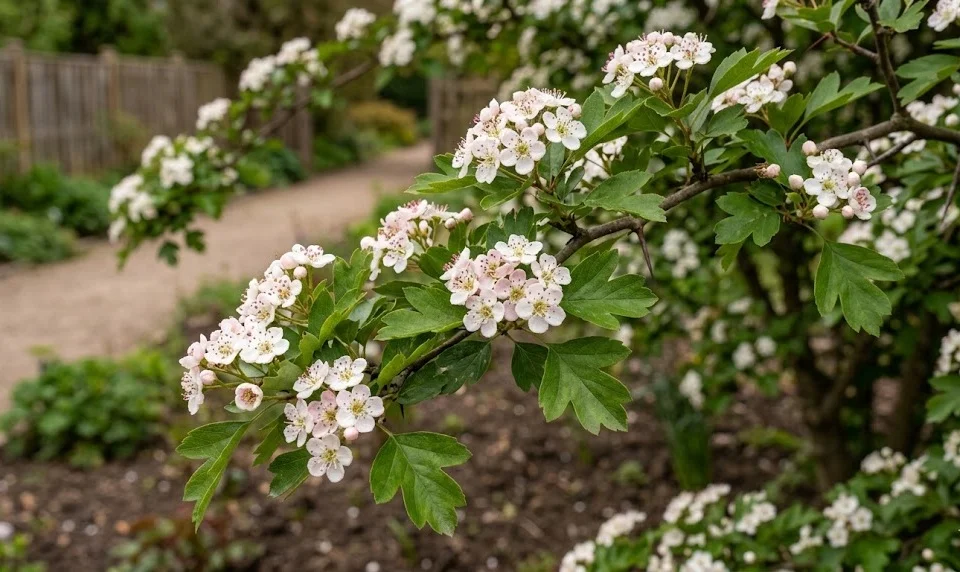

Protecting the midland hawthorn from various biological threats is a task that requires both vigilance and a deep understanding of the species’ natural vulnerabilities. Like many members of the rose family, this plant is susceptible to a specific range of fungal infections and insect infestations that can impact its aesthetic and structural health. A professional management strategy focuses on early detection and the use of integrated pest management techniques to minimize damage. By fostering a healthy growing environment, you can significantly reduce the likelihood of these issues becoming catastrophic for your trees.
Fungal diseases are perhaps the most common challenge faced by those growing midland hawthorns in temperate, humid climates. One of the most recognizable issues is hawthorn leaf spot, which manifests as small, dark lesions on the foliage that can eventually lead to premature leaf drop. While this disease is rarely fatal to an established tree, it can significantly weaken the plant over several seasons if left unmanaged. Ensuring good air circulation through proper spacing and pruning is one of the most effective ways to prevent the buildup of fungal spores.
Fire blight is a much more serious bacterial infection that can affect the midland hawthorn and other related species like apples and pears. This disease is characterized by the sudden blackening and wilting of new shoots, giving them the appearance of having been scorched by fire. It spreads rapidly through the vascular system and can cause significant dieback if the infected branches are not removed promptly. Professional arborists use strict sanitation protocols when dealing with fire blight to prevent the bacteria from spreading to healthy parts of the tree or neighboring plants.
Powdery mildew is another common fungal issue that presents as a white, flour-like coating on the surface of the leaves and young stems. This condition thrives in warm, dry days followed by cool, humid nights, making it a frequent visitor during the late summer months. While largely cosmetic in its early stages, a severe infection can distort the growth of new leaves and reduce the tree’s overall photosynthetic capacity. Applying organic fungicides or simply improving light penetration into the canopy can often keep powdery mildew under control.
Common insect pests and their management
Aphids are a frequent pest of the midland hawthorn, often congregating in large numbers on the tender new growth and the undersides of leaves. These small, soft-bodied insects feed on the sap of the tree, which can cause the leaves to curl and become stunted. They also excrete a sticky substance known as honeydew, which can attract ants and provide a growing medium for black sooty mold. In many cases, a strong blast of water from a garden hose or the presence of natural predators like ladybugs is enough to manage an aphid population.
More articles on this topic
Scale insects are another group of sap-sucking pests that can be found clinging to the bark of the hawthorn’s stems and branches. These insects are often difficult to spot because they are covered by a hard, waxy shell that protects them from both predators and many topical pesticides. A heavy infestation of scale can cause a general decline in the tree’s vigor and may eventually lead to the death of individual branches. Horticultural oils applied during the dormant season are an effective way to suffocate these pests without harming the tree itself.
The hawthorn leaf miner is a tiny insect whose larvae burrow into the interior of the leaves, creating visible brown or translucent patches as they feed. This damage is primarily aesthetic but can be distressing for gardeners who value the pristine appearance of their foliage. Because the larvae are protected inside the leaf tissue, traditional contact insecticides are often ineffective against them. Encouraging biodiversity in the garden ensures that natural parasitic wasps are present to keep the leaf miner population at a manageable level naturally.
Caterpillars of various moth species may also feed on the leaves of the midland hawthorn, sometimes stripping entire branches during a particularly active season. While a healthy tree can usually recover from a moderate amount of defoliation, repeated attacks can be stressful for younger or already weakened specimens. Most caterpillar issues are temporary and can be managed by hand-picking the insects or using biological controls that target the larvae specifically. Observing the tree regularly during the spring and early summer allows you to catch these hungry visitors before they do significant damage.
Preventive strategies and cultural controls
The foundation of any professional pest and disease management plan is the creation of a healthy and resilient growing environment. A tree that is receiving the correct amount of water, light, and nutrients is much better equipped to defend itself against biological stressors. Stressed plants emit chemical signals that can actually attract certain pests, making them a target for opportunistic infestations. By following the best practices for care and maintenance, you are already performing the most important step in pest control.
More articles on this topic
Proper sanitation in the garden is a simple but vital tool for reducing the pressure of diseases and pests throughout the year. Removing and destroying any diseased foliage or fallen fruit prevents many pathogens from overwintering in the soil and reinfecting the tree in the spring. You should also be careful not to compost any material that is infected with serious diseases like fire blight, as the bacteria can survive the composting process. Keeping the area around the base of the tree clean and well-mulched also discourages many ground-dwelling pests from establishing a foothold.
Pruning plays a dual role in disease management by improving both the physical structure and the internal microclimate of the hawthorn. Removing dead, damaged, or crossing branches eliminates entry points for many pathogens and improves the overall airflow through the canopy. This increased ventilation helps the leaves dry more quickly after rain, which is a major factor in preventing the germination of fungal spores. Always use sharp, clean tools and make precise cuts to ensure the tree can heal as quickly as possible.
Choosing resistant cultivars is a forward-thinking strategy that can save a gardener a significant amount of time and effort in the long run. Many modern varieties of midland hawthorn have been specifically bred for their resistance to common issues like leaf spot or mildew. When purchasing a new tree, it is always worth inquiring about the specific disease resistance of the variety you are considering. Starting with a genetically strong and healthy specimen is one of the best investments you can make for your garden’s future.
Chemical and biological interventions
When cultural and preventive measures are not enough to control a serious issue, professional-grade interventions may become necessary to save the tree. Biological controls, such as the introduction of beneficial insects or the use of microbial sprays, are often the first choice for environmentally conscious gardeners. These methods target specific pests while leaving the rest of the garden’s ecosystem intact and healthy. For example, Bacillus thuringiensis is a naturally occurring bacterium that is highly effective against many leaf-eating caterpillars without affecting bees or birds.
Chemical pesticides should be used as a last resort and always with a clear understanding of the specific pest or disease being targeted. It is essential to follow all label instructions exactly and to apply the products at the correct time in the pest’s life cycle for maximum effectiveness. Overuse of broad-spectrum chemicals can lead to the development of resistant pest populations and the destruction of the beneficial insects that would normally help you. Whenever possible, choose targeted products that have a low impact on the surrounding environment and the local pollinator population.
Systemic treatments are sometimes used for persistent issues like scale or certain wood-boring insects that are difficult to reach with topical sprays. These chemicals are absorbed by the tree’s roots or injected into the trunk, allowing the tree’s own vascular system to transport the protection to every leaf and stem. While highly effective, these treatments must be administered with care to ensure they do not accidentally harm non-target organisms. Professional arborists are often the best resource for deciding when and how to use these more intensive management tools.
Integrated Pest Management (IPM) is the gold standard for maintaining the health of the midland hawthorn in a professional or large-scale setting. This approach combines monitoring, cultural practices, biological controls, and the judicious use of chemicals to achieve a long-term solution. By understanding the life cycles of both the plant and its potential enemies, you can intervene at the most effective moments. This holistic perspective ensures that your hawthorn remains a healthy and vibrant part of the landscape without relying on constant chemical support.
Monitoring and the value of expertise
Regular observation is the most powerful tool you have for protecting your midland hawthorn from the many threats it faces in the garden. Developing a “gardener’s eye” allows you to notice subtle changes in the plant’s appearance that might indicate the early stages of a problem. Taking a few minutes each week to walk around the tree and inspect the new growth can save you hours of work later. Early intervention is almost always more successful and less expensive than trying to fix a full-blown infestation or infection.
Keeping a garden log is an excellent way to track the health of your hawthorn over many seasons and identify recurring issues. You can note the dates when certain pests appear, the weather conditions that precede a disease outbreak, and the effectiveness of any treatments you apply. This historical data becomes an invaluable resource that helps you predict and prevent future problems based on past experiences. Over time, you will develop a deep and personalized understanding of how the midland hawthorn interacts with your specific garden environment.
Consulting with professional arborists or local agricultural extension services can provide you with expert guidance when you encounter an unfamiliar or particularly stubborn issue. These experts have access to the latest research and can often identify a problem from a simple photograph or a physical sample. They can also offer advice on the safest and most effective management products available in your specific region. Never hesitate to seek help when the health of a valued tree is at stake, as expert advice can be the difference between success and failure.
In conclusion, while the midland hawthorn faces a variety of potential diseases and pests, most can be managed through professional care and observation. By focusing on prevention, sanitation, and a healthy growing environment, you are giving your tree the best possible chance to thrive. Remember that a few insects or a little bit of leaf spot is often just a natural part of a complex ecosystem and not always a cause for alarm. With a balanced and informed approach, your hawthorn will continue to be a resilient and beautiful centerpiece of your garden.