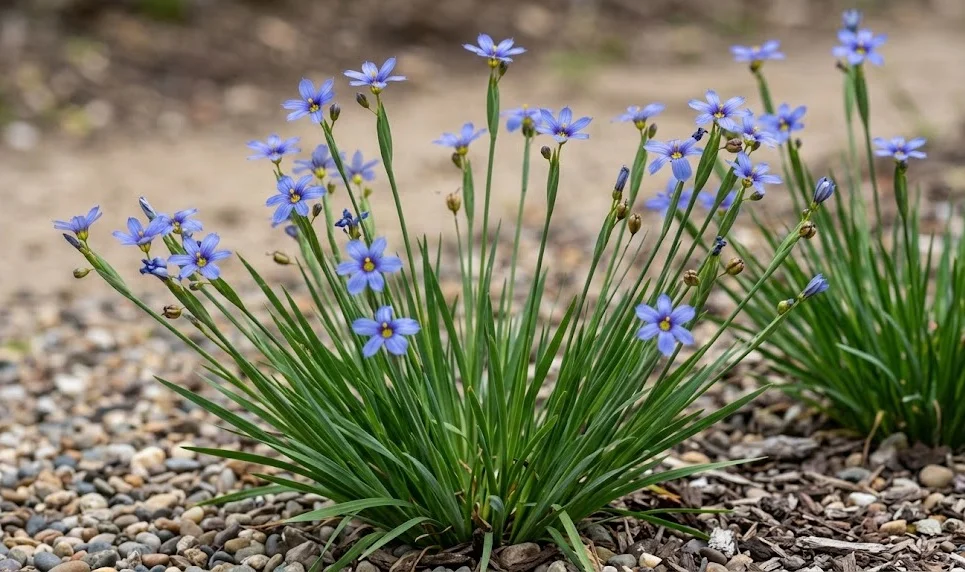

Understanding the light requirements of the narrow-leaf blue-eyed grass is fundamental to achieving a healthy, floriferous display in any landscape. This species is highly sensitive to the duration and intensity of solar radiation, which directly influences its growth habit and blooming potential. While it is adaptable to various light conditions, there is a distinct “sweet spot” that professional gardeners strive to find. Providing the correct amount of light ensures that the plant remains compact, sturdy, and covered in its iconic blue flowers.
Ideal sun exposure for optimal flowering
The narrow-leaf blue-eyed grass is primarily a sun-loving species that performs best when it receives at least six to eight hours of direct sunlight. In its native meadow environment, it competes with other low-growing plants for a place in the sun, developing its narrow leaves to maximize light absorption. This exposure is critical for the energy-intensive process of producing flower buds and sustaining the blooming period. A site with full morning sun followed by a bit of afternoon dappled light is often considered the gold standard.
When grown in full sun, the plant maintains a tight, upright clump that is structurally sound and aesthetically pleasing. The intensity of the light also impacts the pigmentation of the flowers, often resulting in a deeper, more saturated blue or violet hue. Without sufficient sunlight, the flowers may appear pale or washed out, and the overall display will be much more sporadic. For professional landscapers, placing this plant in a sunny border or a south-facing rock garden is a recipe for success.
Sunlight also plays a vital role in the plant’s health by helping to dry out the foliage after morning dew or rain. This rapid drying is a natural defense mechanism against various fungal pathogens that thrive in damp, shaded environments. In a sunny location, the air circulation and heat from the sun work together to keep the plant’s microclimate healthy. This reduces the need for chemical fungicides and makes the plant much easier to maintain over the long term.
If the sunlight is too intense in a very hot, arid climate, the plant may show its stress through scorched leaf tips. In these specific environments, “full sun” might be too much during the heat of the afternoon, and a bit of relief is beneficial. The goal is to provide enough energy for blooming without causing the plant to lose more moisture than it can take in. A professional understands how to balance these competing needs based on the specific local climate.
More articles on this topic
Effects of shade on growth and blooming
While the species is resilient, growing narrow-leaf blue-eyed grass in too much shade will lead to a noticeable decline in its performance. One of the first signs of insufficient light is “etiolation,” where the leaves become long, thin, and weak as they stretch toward the nearest light source. This results in a floppy growth habit that lacks the neat, tufted appearance for which the plant is known. A shaded plant will often look “tired” and may eventually collapse under its own weight.
Blooming is the most significant casualty of a shaded environment, with plants often producing few or no flowers at all. The plant simply cannot generate enough metabolic energy in the shade to support the production of seeds and blossoms. For a gardener who values the floral display, a shaded location is a wasted opportunity for this particular species. Even if the plant survives, it will never reach its full potential as a centerpiece of the spring garden.
In deep shade, the risk of disease increases significantly as the foliage remains damp for much longer periods. This creates a perfect environment for slugs, snails, and various fungal leaf spots to take hold and weaken the plant. The narrow-leaf blue-eyed grass is not a woodland specialist, and forcing it into such a niche will often lead to a short-lived specimen. If your garden is predominantly shaded, it is better to choose a different species that is naturally adapted to those conditions.
However, in warmer regions, a light “part-shade” condition—specifically in the late afternoon—can actually be beneficial. This “high shade” or filtered light from tall trees allows the plant to get its necessary morning sun while protecting it from the harshest rays of the day. This balance can help extend the life of the foliage and prevent the plant from entering an early summer dormancy. Understanding the difference between “beneficial shade” and “detrimental shade” is a key skill for any professional.
More articles on this topic
Managing intense heat and light transitions
During the height of summer, the intensity of the light can sometimes become a stress factor, particularly when combined with high temperatures. In these situations, the plant may respond by folding its leaves slightly to reduce the surface area exposed to the sun. This is a natural protective behavior, but it indicates that the plant is working hard to conserve moisture. Providing a deep watering during these periods can help the plant handle the intense light more effectively.
If you are moving a plant from a greenhouse or a shaded nursery to a full-sun garden spot, a transition period is essential. This process, known as “hardening off,” involves gradually increasing the plant’s exposure to direct sunlight over the course of a week. Sudden exposure to intense UV rays can cause the leaves to “bleach” or burn, as the plant has not yet developed the necessary protective pigments. Taking the time to acclimate the plant ensures a much higher survival rate and a faster establishment.
The reflected light from white walls, concrete paths, or light-colored mulches can also increase the total light intensity hitting the plant. In urban or heavily landscaped settings, this “bonus” light can sometimes be too much of a good thing, leading to localized heat pockets. Be mindful of these environmental factors when choosing a planting site near hardscaping elements. Sometimes moving the plant just a few feet away from a reflective surface can make a significant difference in its health.
Finally, consider the seasonal changes in light as the sun’s angle shifts throughout the year. A spot that is in full sun in June might be in deep shade by September as the shadows from nearby buildings or trees lengthen. While the plant is dormant in the winter and doesn’t need much light, the spring and early summer light levels are what define its success. A professional approach involves observing the garden’s light patterns across the entire growing season to ensure long-term viability.