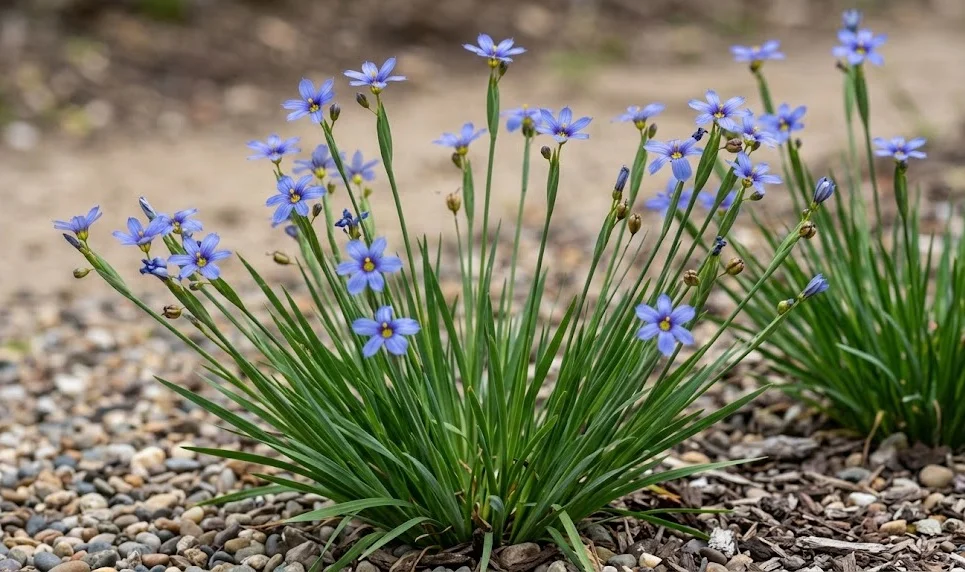

Successfully overwintering the narrow-leaf blue-eyed grass is a straightforward process for those who understand its inherent hardiness and seasonal requirements. This native perennial is well-adapted to survive cold temperatures, but it still benefits from professional preparation to ensure a vigorous return in the spring. Managing the transition into dormancy and protecting the plant’s crown are the primary goals of winter care. A few simple steps taken in the autumn can make the difference between a struggling plant and a flourishing one come springtime.
Hardiness levels and cold tolerance
The narrow-leaf blue-eyed grass is remarkably cold-tolerant, typically rated for USDA hardiness zones 4 through 9. This means it can survive ambient temperatures well below freezing, provided its root system is established and the soil conditions are favorable. Its ability to withstand winter is largely due to its native origins in temperate North American meadows. In its natural habitat, it survives under a layer of insulating snow or within the protective thatch of dormant grasses.
While the plant is hardy, the specific microclimate of your garden can impact its survival rate during extreme winters. Plants in exposed, wind-swept locations may suffer from desiccation, where the cold air strips moisture from the crown faster than the dormant roots can replace it. Conversely, plants in low-lying areas may face the risk of ice encasement, which can suffocate the roots. Understanding these local variables allows a professional to provide the appropriate level of protection.
It is worth noting that container-grown specimens have a lower cold tolerance than those planted directly in the ground. The soil in a pot can freeze much more quickly and deeply, exposing the roots to temperatures they might not survive. Professionals often recommend burying the pots in the ground for the winter or moving them to an unheated garage or basement. If the containers must remain outside, they should be wrapped in insulating material to buffer the temperature fluctuations.
The duration of the cold period is just as important as the minimum temperature reached during the season. A long, consistent winter is often easier for the plant to handle than a series of rapid freeze-thaw cycles. These fluctuations can cause the soil to “heave,” physically pushing the plant’s crown out of the ground and exposing the roots to the air. Monitoring for this phenomenon after a mid-winter thaw is a critical task for any serious gardener.
More articles on this topic
Preparing the plant for the dormant season
Preparation for winter begins in late summer and early autumn by adjusting the maintenance routine to favor dormancy. The most important rule is to stop all fertilization at least six to eight weeks before the first expected frost. This prevents the plant from producing new, tender growth that would be immediately destroyed by the cold. We want the plant to focus on hardening its existing tissues and storing energy in its roots.
As the leaves naturally turn brown and dry out, it is tempting to cut the plant back immediately for a clean look. However, leaving the foliage intact for as long as possible allows the plant to complete its nutrient translocation process. The dying leaves act as a natural mulch, protecting the crown from the first few light frosts. Once the foliage is completely dead and brittle, it can be trimmed back to about two or three inches above the soil line.
The cleanup phase also involves removing any fallen debris from the surrounding area that might harbor pests or disease. Leaves from nearby trees can mat down and trap excessive moisture against the crown of the blue-eyed grass, leading to rot. Clearing a small circle of bare soil around the base of the plant ensures better airflow and a cleaner environment. This simple task reduces the risk of fungal infections that can strike during a damp, mild winter.
Final irrigation is the last step in the autumn preparation protocol for professional growers. Even though the plant is entering dormancy, the roots should not go into a frozen winter in bone-dry soil. A deep watering in late autumn, before the ground freezes solid, ensures that the plant has a reservoir of moisture. Moist soil also holds heat better than dry soil, providing a slightly more stable temperature for the underground parts of the plant.
More articles on this topic
Mulching and protective layer techniques
Mulching is the primary tool for protecting the narrow-leaf blue-eyed grass from the physical stressors of winter. A professional application of mulch acts as an insulator, keeping the soil temperature more consistent and preventing the dreaded freeze-thaw heaving. The best materials for this purpose are those that are loose and airy, such as pine needles, straw, or finely shredded bark. These materials provide protection without becoming a soggy, compacted mess that could lead to crown rot.
Apply a layer about two to three inches deep around the base of the plant once the ground has started to cool significantly. Be careful to keep the mulch from being piled directly against the center of the crown; instead, create a “donut” shape around the plant. This protects the root zone while allowing the top of the crown to stay dry and aerated. If the winter is exceptionally dry, the mulch will also help retain the moisture you applied during your final autumn watering.
In regions prone to extreme wind or very little snow cover, a secondary layer of protection might be necessary. Evergreens boughs placed over the dormant clumps can act as a windbreak and help trap any available snow for insulation. This “natural” cover is easy to remove in the spring and provides a decorative touch to the winter garden. This technique is particularly useful for protecting younger plants that may not have a deep root system yet.
The timing of mulch removal is just as important as its application in the late autumn. As the first signs of spring appear and the ground begins to warm, the mulch should be gradually pulled back from the crown. If left in place too long, the mulch can trap too much heat and moisture, encouraging premature growth that might be damaged by a late frost. A professional keeps a close eye on the weather forecast to time this transition perfectly.
Early spring recovery and assessment
The recovery phase begins as the soil temperature rises and the first green shoots emerge from the center of the clump. This is the time to perform a thorough health assessment of each plant to see how it survived the winter. If a plant has been pushed out of the ground by frost heaving, gently press it back into the soil and add a bit of fresh earth around the base. Early intervention can save a plant whose roots have been partially exposed to the elements.
Cleaning up any remaining dead foliage from the previous year is the first aesthetic task of the new season. Use sharp, clean shears to remove any brown tips or withered stems to make room for the new growth. This not only looks better but also allows the sun to reach the soil and the base of the plant, further stimulating growth. It is a rewarding moment for any gardener to see the resilient green fans of the blue-eyed grass returning.
If the winter was particularly harsh, some plants may appear slow to wake up, which is not necessarily a cause for alarm. Give the plants a few weeks of consistent spring weather before deciding if they need to be replaced. Often, a plant that looks dead in March will surprise you with vigorous growth by the middle of April. A bit of patience during this transition period is a hallmark of a seasoned professional.
Once the danger of a hard frost has passed and the plant is actively growing, you can begin your regular spring maintenance routine. This is the ideal time to apply a light layer of compost or a balanced organic fertilizer to support the upcoming bloom cycle. The successful overwintering of the narrow-leaf blue-eyed grass is a testament to the gardener’s care and the plant’s natural resilience. With the winter behind you, you can look forward to another season of beautiful blue blossoms.