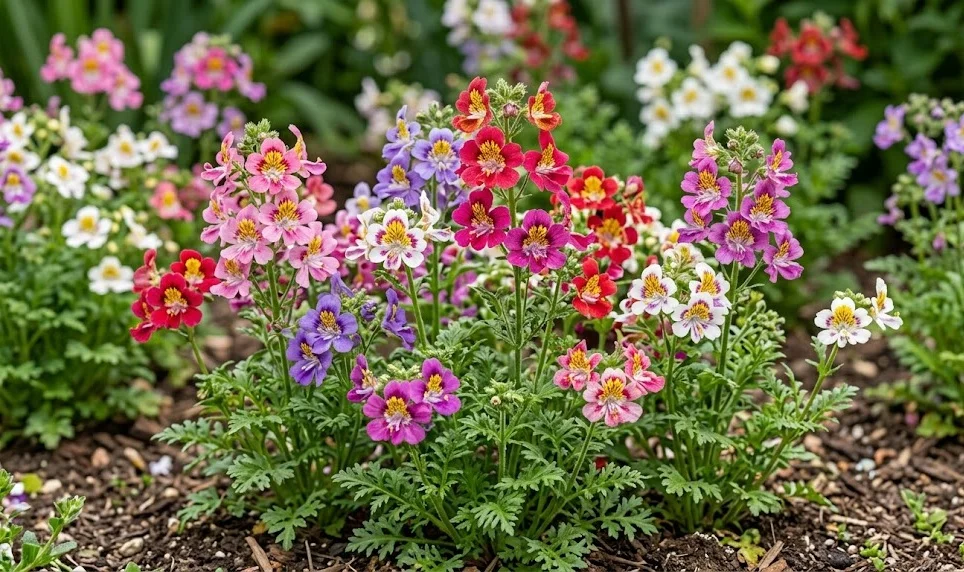

The garden butterfly flower is a remarkably delicate yet vibrant addition to any temperate garden, offering a unique aesthetic that mimics the appearance of tiny orchids. To successfully maintain these plants, you must first understand their preference for cooler climates and specific humidity levels. They are not the typical “set it and forget it” annuals, as they require a nuanced touch to keep them blooming throughout the season. By focusing on the foundational needs of the species, you can ensure a display that captivates every visitor to your green space.
Understanding the ideal environment
Creating the perfect home for these flowers starts with recognizing their intolerance for extreme heat. They thrive best in regions where the nights remain cool and the daytime temperatures do not soar into the high eighties. If you live in a particularly hot climate, you will need to find a spot that offers significant protection during the peak hours of the sun. Without this environmental consideration, the plants will likely wilt and cease their flowering cycle prematurely.
Air circulation is another critical factor that many gardeners overlook when positioning their pots or garden beds. Because these plants have dense foliage and delicate stems, stagnant air can lead to a buildup of moisture that encourages rot. You should space the plants far enough apart to allow a gentle breeze to move through the leaves. This simple adjustment significantly reduces the risk of fungal infections and helps the plant maintain its structural integrity.
The choice of container or garden bed location can also dictate the overall health of the plant. Raised beds often provide the best drainage, which is essential for preventing the roots from sitting in water. If you are using pots, ensure they have ample drainage holes and are made of a material that doesn’t overheat. Terracotta can be a good choice, though it does dry out faster than plastic or glazed ceramic options.
Finally, you must consider the impact of wind on these slender and often top-heavy plants. High winds can easily snap the stems or cause the delicate petals to tatter and fall. Placing them near a decorative fence or among sturdier shrubs can provide the necessary windbreak they need to stay upright. Providing this physical protection ensures that the visual appeal of the flowers remains intact for as long as possible.
More articles on this topic
Soil quality and preparation
The foundation of a healthy butterfly flower always begins beneath the surface with the soil composition. You need a growing medium that is rich in organic matter but retains a light and airy texture. Heavy clay soils are generally unsuitable because they trap too much moisture and compress the sensitive root system. Mixing in a generous amount of compost or well-rotted leaf mold will provide the nutrients and structure the plant craves.
Drainage is arguably the most important physical characteristic of the soil you choose for this species. Even if the soil is nutrient-dense, the plant will suffer if the water cannot move away from the roots efficiently. You can improve drainage in existing garden beds by incorporating perlite or coarse sand into the top six inches of soil. This creates the necessary macropores that allow oxygen to reach the roots even after a heavy rain.
The pH level of the soil also plays a role in how well the plant can access the nutrients you provide. These flowers prefer a slightly acidic to neutral pH range, typically between 6.0 and 7.0. If your soil is too alkaline, you may notice yellowing leaves, which indicates a struggle with nutrient uptake. Testing your soil before planting allows you to make adjustments with sulfur or lime to hit that sweet spot.
Preparation should involve more than just digging a hole and dropping the plant into the ground. You should cultivate the area deeply to ensure there are no large clumps of soil or buried debris that might obstruct root growth. Adding a slow-release organic fertilizer during the preparation stage can provide a steady stream of minerals. This proactive approach sets the stage for a vigorous growth spurt once the weather warms up.
More articles on this topic
Daily maintenance and monitoring
Once the plants are established, your role shifts toward consistent observation and minor adjustments. You should check the moisture levels of the soil every morning to determine if watering is necessary. Because these plants are sensitive to both drought and overwatering, this daily check prevents stress before it becomes visible. Looking at the leaves can tell you a lot about whether the plant is happy or struggling with its current routine.
Removing spent blooms is a task that you should perform regularly to encourage the production of new flowers. When you clip off the fading blossoms, the plant redirects its energy from seed production back into vegetative growth and new buds. This process, known as deadheading, is essential for maintaining a tidy appearance and extending the blooming period. It also prevents the plant from becoming leggy as it tries to support aging structures.
Weed control is another aspect of daily maintenance that protects the butterfly flower from unnecessary competition. Weeds can quickly sap the nutrients and water from the soil, leaving your ornamental plants to struggle for survival. You should pull weeds by hand rather than using tools that might disturb the shallow roots of the butterfly flower. Keeping the area clear also improves airflow around the base of the plant, further reducing disease risks.
Monitoring for any signs of physical damage or stress is the final component of a successful care routine. If you notice stems beginning to lean, you might need to provide small stakes for support. Check the undersides of the leaves periodically to ensure no unwanted visitors have taken up residence. Early detection of any issue allows you to intervene with minimal impact on the plant’s overall health and longevity.
Nutrient management for longevity
Feeding your plants correctly is what separates a mediocre display from a truly spectacular one. These flowers are relatively heavy feeders because they produce such a high volume of complex blossoms. You should start a regular fertilization schedule about two weeks after transplanting them into their final home. Using a balanced, water-soluble fertilizer every two weeks is generally the most effective method for sustained growth.
As the plant enters its peak blooming phase, you might consider switching to a fertilizer higher in phosphorus. Phosphorus is the primary nutrient responsible for flower development and root strength. Avoiding high-nitrogen fertilizers at this stage is crucial, as too much nitrogen will result in lush green leaves but very few flowers. Balance is the key to ensuring the plant remains strong enough to support its floral bounty.
The method of application is just as important as the type of fertilizer you choose to use. You should always apply liquid fertilizers to moist soil to avoid burning the delicate root hairs. If you are using granular types, make sure to scratch them into the soil surface and water them in thoroughly. Never allow fertilizer to sit directly against the stems, as the high salt content can cause localized tissue damage.
Observing the plant’s response to feeding will help you fine-tune the frequency and dosage. If the leaves look dark green and the flowers are plentiful, your current routine is likely working perfectly. However, if you see salt crusts on the soil surface or burnt leaf tips, you should reduce the concentration immediately. Every garden has a unique microclimate, so your fertilization plan should be flexible and responsive to the plant’s needs.
Climate adaptation strategies
Adapting your care routine to the changing seasons is vital for the long-term success of the butterfly flower. In the early spring, your focus should be on protecting young plants from sudden late frosts. Using cloches or frost blankets can provide a few degrees of extra warmth that might save a vulnerable seedling. Once the risk of frost has passed, you can transition into a more standard maintenance schedule.
As the summer heat intensifies, you must take active steps to keep the root zone cool. Applying a layer of organic mulch around the base of the plants can significantly reduce soil temperature. Straw, shredded bark, or even cocoa shells work well to insulate the earth and prevent rapid evaporation. This protective layer also breaks the impact of heavy rain, preventing soil from splashing onto the lower leaves.
During periods of high humidity, you should be especially vigilant about potential fungal issues. You might need to thin out some of the interior foliage to increase the amount of light and air reaching the center of the plant. If the weather becomes exceptionally rainy, consider moving container-grown plants under a porch or eaves. Reducing the amount of water sitting on the foliage is the best way to prevent the spread of spores.
In the late summer, the plant may begin to show signs of exhaustion after a long season of blooming. You can often trigger a second flush of growth by lightly shearing the entire plant back by about one-third. This removal of old tissue, combined with a fresh application of liquid fertilizer, can rejuvenate the specimen. While it may look a bit sparse for a week or two, the resulting new growth will be much more vibrant.
Enhancing aesthetic appeal
The way you arrange and present these flowers can greatly influence the visual impact they have in your landscape. Because of their intricate patterns, they show up best when planted in groups rather than as isolated individuals. A dense cluster of butterfly flowers creates a sea of color that draws the eye from a distance. You can mix different color varieties within the same group to create a mosaic-like effect.
Consider the height of the butterfly flower when planning its position relative to other garden occupants. Since they typically reach a medium height, they function best as “fillers” in the middle of a border. Planting shorter, trailing flowers in front of them can hide any leggy stems that might develop over time. Conversely, taller perennials in the background can provide a solid green canvas that makes the flowers pop.
The choice of companion plants is another way to enhance the overall look of your garden beds. Plants with silvery foliage, like dusty miller, provide a beautiful contrast to the bright jewel tones of the butterfly flower. You should choose companions that share similar water and light requirements to make maintenance easier. Avoid planting them next to aggressive spreaders that might crowd out the more delicate butterfly flowers.
Lighting can also change how the colors of the petals are perceived by the human eye. In the soft light of early morning or late evening, the intricate markings on the flowers become much more visible. Positioning them where they can catch the “golden hour” light will make your garden feel magical. If you have a patio area, placing them in decorative pots nearby allows you to appreciate the fine details of the blossoms up close.
Long-term health and vitality
Maintaining the vitality of your garden butterfly flowers requires a holistic approach to plant health. You should always source your seeds or seedlings from reputable suppliers to ensure you are starting with strong genetics. Weak or diseased starting material will rarely result in a successful mature plant, regardless of how well you care for it. Starting with the best possible stock is the first step toward a thriving garden.
Crop rotation is a concept that applies even to ornamental flower beds in a home garden. If you grow butterfly flowers in the same spot year after year, you may see an increase in soil-borne pathogens. Moving them to a different section of the garden every couple of seasons keeps the soil healthy and productive. This practice also gives you the chance to amend different areas of your landscape with fresh organic matter.
End-of-season cleanup is just as important as the spring preparation for maintaining a healthy environment. Once the plants have finished blooming and are killed by the first hard frost, you should remove all debris from the area. Leaving dead plant material on the ground provides a winter sanctuary for pests and disease spores. Bagging and removing this material helps ensure a clean start for the following growing season.
Finally, keeping a gardening journal can help you track what worked and what didn’t for your specific location. Note the dates of the first and last blooms, the frequency of watering, and any pest issues you encountered. Over time, this personal record becomes an invaluable resource for refining your horticultural skills. With a little patience and attention to detail, you can master the care of this beautiful and rewarding species.