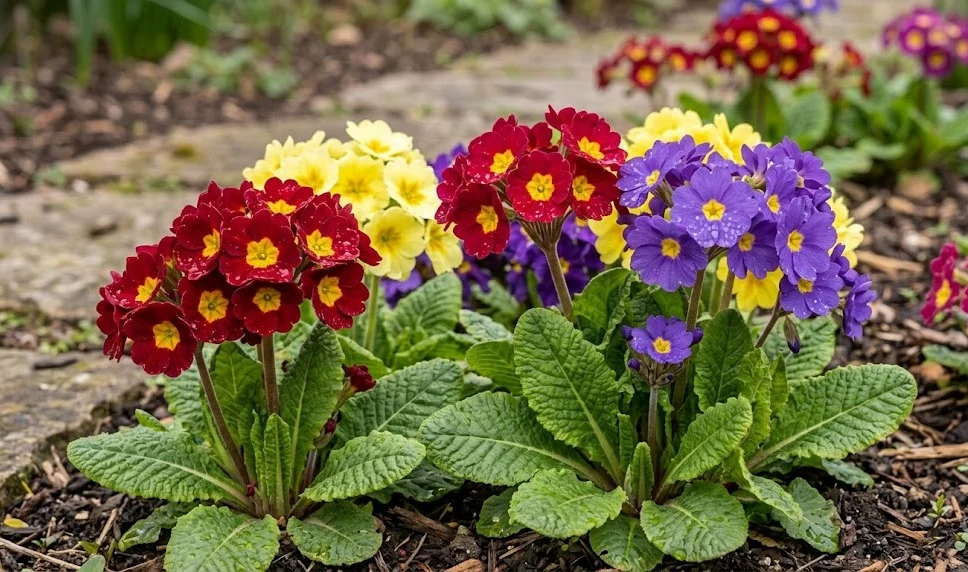

Pruning is a vital task for any gardener who wants to keep their primroses looking tidy and performing at their absolute best throughout the spring. The most common form of pruning for these plants is known as deadheading, which involves removing the flowers as they begin to fade. By cutting off the old blooms, you prevent the plant from putting its limited energy into the production of seeds. Instead, that energy is redirected back into the roots and the development of next year’s flower buds.
To deadhead correctly, follow the flower stem down to where it emerges from the foliage and snip it off cleanly with a pair of sharp garden scissors. Avoid simply pulling the stems off, as this can sometimes damage the delicate crown of the plant or pull the entire rosette out of the ground. Regular deadheading not only keeps the plant looking fresh but can also sometimes stimulate a second, smaller flush of flowers. It is a simple maintenance task that makes a significant difference in the overall appearance of your garden beds.
In addition to redirection of energy, removing dead flowers is a key step in preventing the spread of various fungal diseases. Fading petals often become damp and mushy, providing the perfect breeding ground for Botrytis and other common garden molds. By keeping the center of the plant clean and free of decaying material, you are proactively protecting its health. This is especially important during rainy spring weather when the humidity levels are consistently high around the low-growing foliage.
Once the entire flowering period has come to an end, you can cut back all of the remaining flower stalks to the base of the plant. This leaves the focus entirely on the lush, green leaves, which will continue to grow and photosynthesize for several more months. The leaves are the “battery” of the plant, storing up the energy that will be needed for the following year’s spectacular spring show. Proper post-flowering care ensures that your primroses remain a strong and healthy part of your perennial collection.
Foliage maintenance and rejuvenation
While primroses do not require heavy pruning like shrubs, their foliage still benefits from occasional attention to maintain its vigor and beauty. Throughout the growing season, you should remove any yellowed, damaged, or diseased leaves from the outer edges of the rosette. These older leaves are less efficient at photosynthesis and can sometimes harbor pests like aphids or spider mites. Keeping the foliage tidy allows more air and light to reach the healthy, younger leaves in the center of the plant.
More articles on this topic
If your primroses have become particularly large or overgrown, you may notice that the center of the plant begins to look sparse or woody. This is a sign that the plant needs to be rejuvenated through a more aggressive form of cutting back or division. You can trim away the outer, older leaves quite heavily to encourage the plant to produce a fresh flush of growth from the center. This type of rejuvenation is best performed in the late spring or early autumn when the plant is in an active growth phase.
In the late autumn, some gardeners prefer to cut back the foliage of their primroses more significantly to prepare them for the winter months. While many varieties are semi-evergreen, removing the oldest and most tired-looking leaves can help prevent winter rot. However, be careful not to cut back too far; you should always leave a healthy core of green leaves to protect the crown. The remaining foliage acts as a natural shield against the elements and helps the plant survive the cold.
Always use clean, sharp tools when pruning your primroses to ensure the cuts are clean and heal quickly. Ragged edges from dull scissors can provide an entry point for bacteria and fungi, leading to rot and other health issues. It is a good practice to wipe your tools with a disinfectant between plants to prevent the accidental spread of any hidden diseases. This professional level of care and attention to detail is what separates a thriving garden from one that is merely surviving.
Post-flowering care and long-term pruning
The period immediately following the final bloom is a critical time for the long-term health and productivity of your garden primroses. This is the stage where the plant is working hard to rebuild its energy reserves and prepare for the next season. In addition to cutting back the old flower stalks, you should take this time to inspect the overall structure of each plant. If the clumps have become too dense, the lack of air circulation can lead to problems even if the foliage looks healthy.
More articles on this topic
If you choose to let some of your primroses go to seed, you should only do so on your strongest and most vibrant plants. This allows you to collect the seeds for future propagation, but remember that it will take a toll on the parent plant’s vigor for the following year. Once the seed pods have turned brown and began to split, you can cut the stalks and shake the seeds into a paper bag. Immediately after harvesting the seeds, cut the stalks back to the base to allow the plant to recover.
Sometimes, a primrose may produce a sudden burst of new leaves that looks crowded or distorted, which can be a sign of environmental stress. In these cases, a light thinning of the foliage can help the plant regain its natural shape and improve its overall health. Removing about twenty percent of the leaves from the most crowded areas will not harm the plant and can actually improve its resilience. This selective pruning is a specialized technique used by professional gardeners to maintain specimen plants.
Finally, remember that pruning is an ongoing process of observation and adjustment rather than a one-time event each year. Spend a few minutes each week walking through your garden and addressing any small issues as you see them. A quick snip here and there is much easier for both you and the plant than a massive, stressful pruning session once a year. By staying on top of the maintenance, you ensure that your garden primroses always look their best and remain a highlight of your spring landscape.