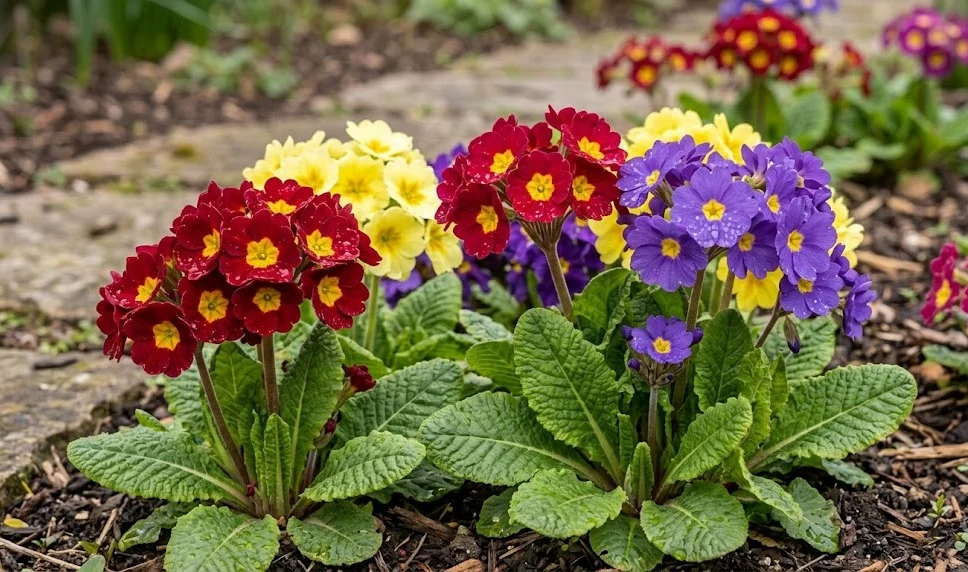

Maintaining the health and vibrancy of garden primroses requires a deep understanding of their biological preferences and environmental needs. These perennials are beloved for their early spring blooms, which signal the end of winter and the arrival of warmer days. However, achieving consistent floral displays year after year is not merely a matter of luck but of careful observation. You must prioritize creating a balanced ecosystem within your garden that mimics their natural woodland or meadow habitats.
The resilience of these plants depends largely on the consistency of the care they receive throughout the growing season. While they are relatively hardy, they do not respond well to sudden changes in their immediate environment or neglectful watering habits. Gardeners should view them as living indicators of soil health and moisture levels in the landscape. Dedicating time to regular inspections will help you identify potential issues before they become life-threatening to the plant.
One of the most important aspects of care is ensuring that the plant is not competing too aggressively with weeds or faster-growing neighbors. Keeping the area around the base of the foliage clear will allow for better air circulation and light penetration. This simple maintenance step reduces the risk of fungal growth which often plagues low-growing perennials. Furthermore, a clean environment makes it much easier to apply mulch or fertilizer when the time comes.
Understanding the life cycle of the garden primrose is essential for timing your interventions correctly and effectively. They typically enter a period of semi-dormancy during the hottest months of the summer to conserve energy. During this time, the leaves may look slightly less vibrant, but this is a natural survival mechanism. Adjusting your care routine to respect these natural rhythms will ensure the plant returns with vigor the following spring.
Soil quality and substrate optimization
The foundation of any healthy garden primrose is the medium in which it grows. These plants thrive in soil that is rich in organic matter and capable of retaining moisture without becoming waterlogged. A heavy clay soil can be problematic as it restricts root respiration and leads to rot. Conversely, purely sandy soil drains too quickly, leaving the plant vulnerable to dehydration during dry spells.
More articles on this topic
To prepare the ideal substrate, you should incorporate well-rotted compost or leaf mold into the existing garden bed. This not only improves the structure of the soil but also introduces beneficial microorganisms that support root health. Aim for a slightly acidic to neutral pH level, as extremes in soil chemistry can lock out essential nutrients. Testing your soil before the growing season begins is always a wise investment for a professional gardener.
Aeration is another critical factor that is often overlooked when caring for these low-growing flowers. Over time, garden soil can become compacted due to foot traffic or heavy rains, which prevents air from reaching the roots. Using a hand fork to gently loosen the soil around the plants can make a significant difference in their overall vitality. Be careful not to go too deep, as the root systems of primroses are relatively shallow and easily damaged.
Mulching is a highly effective technique for maintaining the quality of the substrate throughout the year. A thin layer of organic mulch helps to suppress weed growth while keeping the root zone cool and moist. As the mulch breaks down, it further enriches the soil with humus, creating a self-sustaining cycle of fertility. Organic materials like shredded bark or cocoa shells are excellent choices for this specific purpose.
Creating the ideal microclimate
Location plays a pivotal role in the success of your garden primrose, as they are sensitive to temperature and light extremes. In their natural setting, they are often found at the edge of woodlands where they receive filtered sunlight. This means that a spot with morning sun and afternoon shade is usually the most effective choice for your garden. Protecting them from the scorching midday sun of summer is crucial for preventing leaf scorch.
More articles on this topic
The humidity levels in the air also contribute to the plant’s ability to maintain its lush foliage. In very dry climates, these plants may struggle to keep their leaves turgid, even if the soil is damp. You can improve the local microclimate by planting them near water features or in groups where they can create their own humid canopy. This collective transpiration helps to buffer the effects of dry air during the peak of summer.
Wind protection is another factor that professional gardeners consider when placing these delicate perennials. Strong, drying winds can strip moisture from the leaves faster than the roots can replace it. Placing them near a low hedge or among larger perennials can provide the necessary shelter they need to flourish. This structural protection also helps to keep the delicate flower stalks from being snapped during spring storms.
Temperature stability is the final piece of the microclimate puzzle for the garden primrose. While they appreciate the cool temperatures of early spring, sudden late frosts can damage the emerging flower buds. Choosing a site that is slightly elevated can help cold air drain away, protecting the primary bloom cycle. Monitoring local weather forecasts allows you to provide temporary cover if an unseasonal cold snap is predicted.
Routine observation and health checks
A professional approach to gardening involves proactive observation rather than reactive treatment. You should make a habit of checking the underside of the leaves for any signs of early pest infestation or discoloration. Catching a problem in its infancy is much easier than trying to save a plant that has been severely weakened. Pay close attention to the center of the rosette, as this is where new growth begins.
Yellowing leaves can be a sign of many different things, from nutrient deficiencies to improper watering. By observing the pattern of yellowing, you can often pinpoint the exact cause of the plant’s distress. For instance, yellowing between the veins often suggests a lack of minerals like iron or magnesium. Constant vigilance ensures that your garden primrose remains a centerpiece of health and beauty in your landscape.
The density of the foliage is another indicator of the plant’s general well-being and vigor. A healthy primrose should have a tight, lush rosette of leaves that feels firm to the touch. If the leaves appear elongated or sparse, the plant might be reaching for more light or suffering from poor nutrition. Adjusting the surrounding environment based on these visual cues is a hallmark of an expert gardener.
Finally, keep an eye on the flowering performance of each individual plant over the years. A sudden decline in the number of blooms can indicate that the plant has become overcrowded or that the soil is exhausted. Taking notes on the performance of different varieties in your garden helps you refine your care techniques over time. This historical data is invaluable for making informed decisions about future planting and maintenance schedules.
Nutrient management and balance
Feeding your garden primroses is a delicate task that requires a balanced approach to fertilization. While they need nutrients to produce their vibrant flowers, over-fertilizing can lead to excessive leaf growth at the expense of blooms. It can also make the plant more attractive to certain pests that prefer soft, nitrogen-rich tissues. A slow-release fertilizer applied in early spring is usually sufficient for most garden settings.
Focusing on phosphorus-rich fertilizers can help to enhance the quality and quantity of the floral display. Phosphorus is essential for root development and flower production, making it a key component for early spring bloomers. You should avoid high-nitrogen fertilizers once the flower buds have started to form to prevent “leggy” growth. Organic options like bone meal or seaweed extract are excellent for providing a steady supply of micronutrients.
The timing of nutrient application is just as important as the type of fertilizer you choose to use. The first application should occur just as the new growth appears in late winter or very early spring. A second, lighter application can be beneficial after the flowering period has ended to help the plant recover. This supports the development of the next year’s buds, which are often formed deep within the plant during the late summer.
Always ensure that the soil is moist before applying any type of concentrated fertilizer to your plants. Applying fertilizer to dry soil can cause “root burn,” which severely damages the plant’s ability to take up water. After fertilizing, water the area thoroughly to help wash the nutrients down into the root zone where they are needed. This careful methodology ensures that your primroses receive the maximum benefit from your nutritional interventions.
Seasonal care adjustments
As the seasons change, so too must your approach to caring for the garden primrose. Spring is the primary season of activity, where the focus is on supporting the heavy energy demands of flowering. During this period, you must ensure that the plants have consistent moisture and adequate light as the surrounding trees leaf out. Deadheading spent flowers will encourage the plant to put its energy into foliage rather than seed production.
Summer brings the challenge of heat and potential drought, requiring a shift toward protection and conservation. Your main goal during these months is to keep the plants cool and prevent the soil from drying out completely. You might need to increase the frequency of watering or provide temporary shade if the temperatures become extreme. It is perfectly normal for the plants to look somewhat dormant during this time, so do not over-stimulate them.
Autumn is the ideal time for rejuvenating the garden bed and preparing the plants for the coming winter. You can remove any dead or diseased foliage that has accumulated over the summer to prevent pests from overwintering. This is also the best season for dividing older clumps to ensure they have enough space for the following year. Adding a fresh layer of compost now will provide a nutrient boost for the early spring growth.
Winter care is largely about protection from the elements and ensuring the plants do not rot in cold, wet soil. In colder climates, a light covering of evergreen boughs or straw can protect the evergreen rosettes from desiccating winds. Avoid heavy mulches that can trap too much moisture around the crown, as this is the primary cause of winter loss. By following these seasonal guidelines, you provide your primroses with the best chance for a long and healthy life.
Maximizing plant longevity and vigor
To keep your garden primroses thriving for many years, you must address the issue of natural decline. Over time, the center of the plant can become woody and less productive, leading to smaller flowers and sparse foliage. This is a natural part of the aging process, but it can be managed through regular rejuvenation techniques. Professional gardeners usually lift and divide their primroses every three to four years to maintain their youthfulness.
Selection of the right varieties for your specific climate is another key factor in long-term success. Some hybrids are more heat-tolerant, while others are specifically bred for intense winter cold. Researching the specific needs of the cultivars you choose will allow you to provide the specialized care they require. A well-matched plant will always be more resilient and require less intensive maintenance than one struggling against its environment.
Encouraging a diverse ecosystem in your garden can also contribute to the longevity of your primroses. Beneficial insects like ladybugs and predatory mites will help keep pest populations in check naturally. By avoiding broad-spectrum pesticides, you allow these natural allies to flourish and protect your plants. A healthy, balanced garden is the best defense against the many challenges that garden primroses may face.
Finally, remember that gardening is a continuous learning process that involves both success and failure. Don’t be afraid to experiment with different locations or care techniques to see what works best in your unique garden. Sharing experiences with other enthusiasts and staying informed about new horticultural practices will keep your passion alive. With patience and expert care, your garden primroses will remain a cherished highlight of your spring landscape for decades.