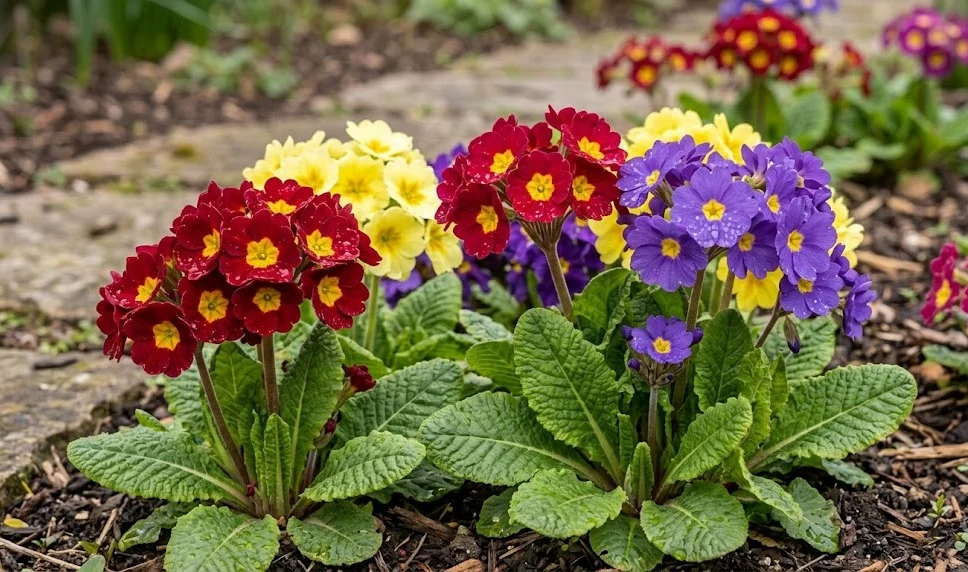

In their native habitats, garden primroses are typically found in cool, deciduous woodlands where the light intensity changes with the seasons. During the early spring, before the trees have fully leafed out, they receive a significant amount of bright, filtered sunlight. This burst of light is what triggers their flowering and provides the energy needed for their initial growth phase. Replicating this natural light cycle in your own garden is the key to achieving the most vibrant and healthy plants.
As the canopy fills in during the late spring and summer, the primroses are then shaded from the intense heat of the sun. This shift to dappled shade is essential for preventing the plants from overheating and drying out during the warmest months. If you plant them in a spot that receives full sun all day, they will often struggle to survive the summer heat. A location that mimics the forest floor—bright in spring and shaded in summer—is the gold standard for primrose placement.
North or east-facing garden beds are often the most successful spots for these light-sensitive perennials in a domestic landscape. These areas typically receive the gentle morning sun but are protected from the harsh, direct rays of the afternoon. If you only have a south or west-facing spot available, you will need to provide some form of artificial shade. This can be achieved by planting them under taller shrubs or using a decorative garden structure to block the strongest light.
The quality of the light is just as important as the quantity when it comes to the health of the garden primrose. They prefer “cool” light, which is why the morning sun is so much more beneficial than the heat-laden light of the late afternoon. Plants that receive too little light will often become “leggy,” with long, weak stems and very few flowers. Finding that perfect middle ground of bright but indirect light will ensure your primroses remain compact and full of blooms.
Managing shade and exposure levels
If your garden is particularly sunny, you can still grow beautiful primroses by using clever landscaping techniques to manage their light exposure. Planting them on the north side of a low wall or a large boulder can provide the shade they need during the hottest part of the day. You can also use “companion plants” with large leaves, like hostas or ferns, to cast a protective shadow over the primroses. This creates a layered look in the garden while solving the problem of too much direct sunlight.
More articles on this topic
In very shady gardens, you might need to thin out the overhanging branches of trees to allow more light to reach the ground. While primroses love shade, they still need some light to perform the photosynthesis required for flower production. If the area is in deep, permanent shade, the plants may survive but will rarely produce the spectacular floral display they are known for. Aim for what gardeners call “bright shade,” where there is plenty of ambient light but no direct sun hitting the leaves.
The intensity of light can also be managed by the color of the surrounding environment in your garden or patio area. Dark-colored walls and fences absorb heat and light, which can create a “hot spot” that is detrimental to cool-loving primroses. Conversely, light-colored surfaces reflect light and can help brighten up a shady corner without increasing the temperature significantly. Consider the reflective properties of your garden structures when deciding where to place your most sensitive primrose varieties.
For those growing primroses in containers, the ability to move the plants as the seasons change is a distinct advantage. You can place the pots in a sunnier spot during the early spring to encourage blooming and then move them to a cooler, shaded area for the summer. This mobile approach allows you to provide the optimal light levels for the plant at every stage of its annual cycle. Just be sure to transition them slowly to avoid shocking the foliage with a sudden change in light intensity.
Signs of light-related stress and correction
It is important to learn how to read the visual cues that your primroses provide when they are not receiving the correct amount of light. If the leaves start to look bleached, yellowed, or develop brown, crispy patches, it is a clear sign of leaf scorch from too much sun. This damage is irreversible on the existing leaves, so you must move the plant or provide shade immediately to save the rest of the rosette. Sun-stressed plants will also often have very small, stunted flowers that fade quickly.
More articles on this topic
On the other hand, a primrose that is not getting enough light will show a very different set of symptoms to the observant gardener. The leaves will often become a darker green and the stems will stretch and grow towards the nearest light source. This “etiolation” makes the plant weak and more susceptible to being flattened by rain or wind. Furthermore, a lack of light is the primary reason why an otherwise healthy-looking primrose might fail to bloom year after year.
If you notice these signs of light stress, the best course of action is to relocate the plant to a more suitable environment as soon as possible. Because primroses have a relatively compact root system, they are generally easy to transplant even during the growing season. Just be sure to take a large root ball and water the plant thoroughly after the move to help it settle in. Most plants will recover their natural shape and vigor once their light requirements are properly met.
Keep in mind that different cultivars of garden primrose may have slightly different tolerances for light and heat. Some of the modern hybrids have been specifically bred to be more resilient in sunny locations, while others remain true to their forest-dwelling ancestors. Always check the specific light recommendations for the varieties you are growing to ensure you are giving them exactly what they need. By matching the right plant to the right light conditions, you create a garden that thrives with minimal effort.