
Protecting the Yunnan butterfly bush from diseases and pests is a critical component of professional horticultural care. While this species is generally robust, it is not entirely immune to the various biological challenges that exist in a diverse garden environment. Maintaining a high standard of health is the best defense, as vigorous plants are far more capable of resisting or recovering from an infestation. An expert gardener stays vigilant, observing the plant regularly to catch any potential issues before they escalate into significant threats to its survival.
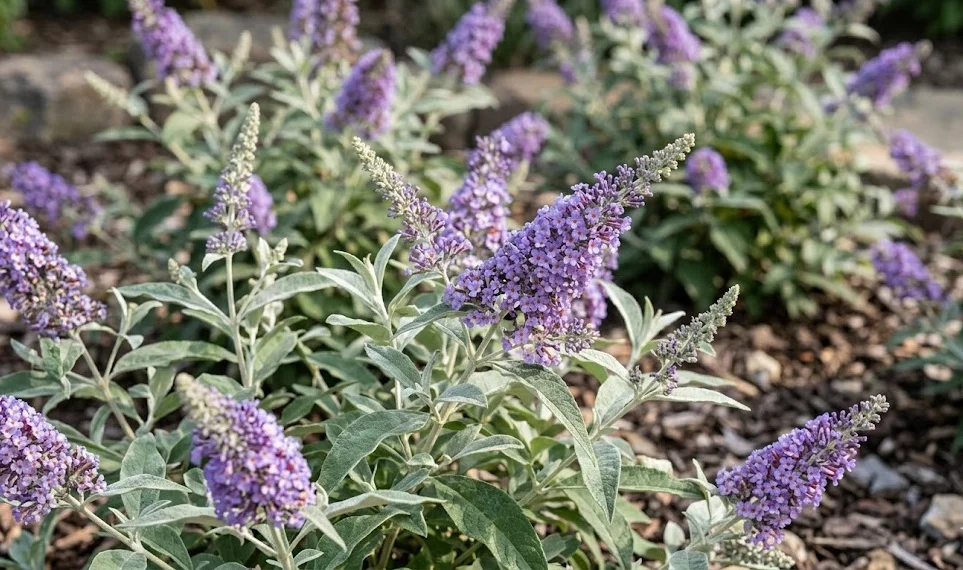
The silver, felt-like leaves of the Yunnan butterfly bush are one of its most attractive features, but they can also hide the early signs of trouble. You should make it a habit to inspect the undersides of the foliage where many common pests like to congregate and feed. Early intervention is the key to managing biological stresses without having to resort to harsh chemical treatments that might harm beneficial insects. By understanding the common enemies of this species, you can create a proactive protection plan that keeps your garden thriving.
Environmental factors often play a secondary role in the development of diseases, as many pathogens thrive in specific conditions like high humidity or poor air circulation. Ensuring that your bush has enough space and is correctly pruned will naturally reduce the likelihood of many fungal infections. A professional approach to pest management always starts with cultural practices that make the environment less hospitable to unwanted visitors. Prevention is not just easier than a cure; it is also much better for the overall health of the garden ecosystem.
When a problem does arise, it is important to identify it accurately before taking any corrective action. Misidentifying a harmless insect as a pest can lead to unnecessary interventions that disrupt the natural balance of your garden. Using resources like gardening guides or consulting with local experts can help you confirm the identity of the issue you are facing. A methodical and informed response is the hallmark of a professional who values scientific accuracy and environmental responsibility.
Common fungal and bacterial threats
Powdery mildew is perhaps the most frequent fungal issue encountered by those growing butterfly bushes in temperate climates. This disease appears as a white, flour-like dusting on the surface of the leaves, often during periods of warm days and cool, damp nights. While it rarely kills the plant, it can significantly detract from the beauty of the silver foliage and weaken the shrub over time. Improving air circulation around the plant and avoiding overhead watering are the best ways to keep this unsightly fungus at bay.
More articles on this topic
Root rot is a more serious condition that usually results from poor drainage or excessive watering in heavy, clay-based soils. The first symptoms are often yellowing leaves and a general loss of vigor, which can easily be mistaken for a nutrient deficiency. If you suspect root rot, it is essential to check the soil moisture and ensure that the plant is not sitting in stagnant water. In severe cases, the damage may be irreversible, highlighting the importance of proper site selection during the planting phase.
Leaf spot diseases can also occasionally affect this species, manifesting as small, dark lesions that may eventually cause the leaves to drop prematurely. These pathogens are often spread by splashing water, which is another reason why professional gardeners prefer to water at the base of the plant. Removing and destroying any infected foliage that falls to the ground can help break the cycle of infection for the following season. Keeping the area around the bush clean is a simple but effective way to maintain a disease-free environment.
Canker is a less common but potentially devastating bacterial or fungal disease that affects the woody stems of the bush. It appears as sunken, discolored areas on the bark that can eventually girdle the branch and cause everything above the site to die. If you notice a canker, the affected branch should be pruned back to healthy wood immediately using sterilized tools to prevent further spread. Regular inspection of the plant’s structural framework allows you to catch these issues before they compromise the entire specimen.
Identifying and managing insect pests
Aphids are small, soft-bodied insects that are frequently found on the tender new growth and flower buds of the Yunnan butterfly bush. They feed by sucking the sap from the plant, which can cause the leaves to curl and become distorted if the population is large enough. A strong blast of water from a garden hose is often enough to dislodge these pests and reduce their numbers without using chemicals. Encouraging natural predators like ladybugs and lacewings in your garden provides a long-term, biological solution to aphid control.
More articles on this topic
Spider mites are another common pest that thrives in hot, dry conditions, often going unnoticed until the damage is significant. These tiny arachnids feed on the undersides of the leaves, causing a stippled or bronzed appearance that can ruin the look of the silver foliage. You might also see very fine webbing between the leaves and stems in cases of severe infestation. Maintaining adequate humidity and occasionally misting the plant during dry spells can help discourage these pests from taking up residence.
The mullein moth caterpillar is a specific pest that is known to feed on the leaves of various Buddleja species, including the Yunnan variety. These caterpillars are quite distinctive, with bright yellow and black markings, and they can consume a surprising amount of foliage in a short time. Hand-picking the caterpillars and moving them to another location is an easy and effective way to manage their impact if you only have a few plants. While the defoliation can look dramatic, a healthy bush will usually recover quickly once the caterpillars have finished their lifecycle.
Scale insects can occasionally be found on the woody stems, appearing as small, stationary bumps that resemble natural parts of the bark. Like aphids, they suck the sap from the plant and can cause a general decline in health if they are allowed to multiply unchecked. A professional treatment often involves using horticultural oil during the dormant season to smother the insects without harming the plant. Staying observant throughout the year ensures that these stealthy pests never get the upper hand in your garden.
Integrated pest management strategies
Integrated Pest Management, or IPM, is a professional philosophy that combines multiple strategies to manage garden health in an environmentally sensitive way. This approach prioritizes mechanical and biological controls over the use of synthetic chemicals whenever possible. For the Yunnan butterfly bush, this means focusing on healthy soil, proper pruning, and the encouragement of beneficial insects. By creating a balanced ecosystem, you reduce the need for constant intervention and allow nature to do much of the work for you.
Physical barriers and traps can also be part of a successful pest management plan for this species. For example, using sticky traps can help you monitor the presence of flying pests like whiteflies before they become a major problem. Removing weeds from the vicinity of the bush is also important, as many pests use these plants as alternative hosts during different stages of their life. A tidy and well-managed garden is naturally more resilient to the pressures of pests and diseases.
If you do find it necessary to use a spray, opt for organic choices like neem oil or insecticidal soap, which have a lower impact on the environment. These products work by physical contact and are generally safer for bees and other pollinators if applied correctly. Always apply these treatments in the early morning or late evening when beneficial insects are less active. Following a professional protocol for application ensures that you solve the problem without creating new ones.
Documentation is an often-overlooked part of a professional IPM strategy that can save you a lot of trouble in the long run. Keeping a record of when certain pests or diseases appear can help you anticipate and prevent them in future years. You may notice that certain weather patterns always precede a specific issue, allowing you to take preventive measures in advance. This level of detail-oriented gardening transforms the care of your Yunnan butterfly bush into a scientific and rewarding pursuit.
Maintaining a sanitary garden environment
Sanitation is one of the most effective tools for preventing the spread of diseases and pests throughout your landscape. You should always sterilize your pruning tools with rubbing alcohol or a mild bleach solution before moving from one plant to another. This simple professional habit prevents the accidental transfer of microscopic pathogens that could infect a healthy bush. Cleanliness is the foundation of any high-quality horticultural operation, whether it is a large estate or a small backyard garden.
The removal of spent flowers and fallen leaves should be a regular part of your maintenance routine for the Yunnan butterfly bush. These organic materials can harbor fungal spores or pest eggs that will overwinter and cause problems the following spring. Composting these materials is fine if your pile reaches a high enough temperature to kill pathogens, but otherwise, they should be disposed of elsewhere. A clear and clean area around the base of your shrub promotes better health and a more professional appearance.
Monitoring the health of neighboring plants is also important, as many diseases and pests are not picky about which species they attack. If a nearby shrub is suffering from a severe infestation, it is only a matter of time before it spreads to your silver-leaved beauty. Taking a holistic view of your entire garden allows you to manage threats before they reach your most prized specimens. A healthy garden is a community effort where every plant plays a role in the overall balance.
Finally, remember that some minor damage from insects is a natural part of a healthy, living garden. You don’t need to aim for a sterile, “perfect” plant that looks like it belongs in a plastic display. A few nibbled leaves are a small price to pay for a garden that is full of life and supports a diverse range of species. Your role as a professional gardener is to manage the balance, ensuring that the plant remains healthy and beautiful while coexisting with the local environment.